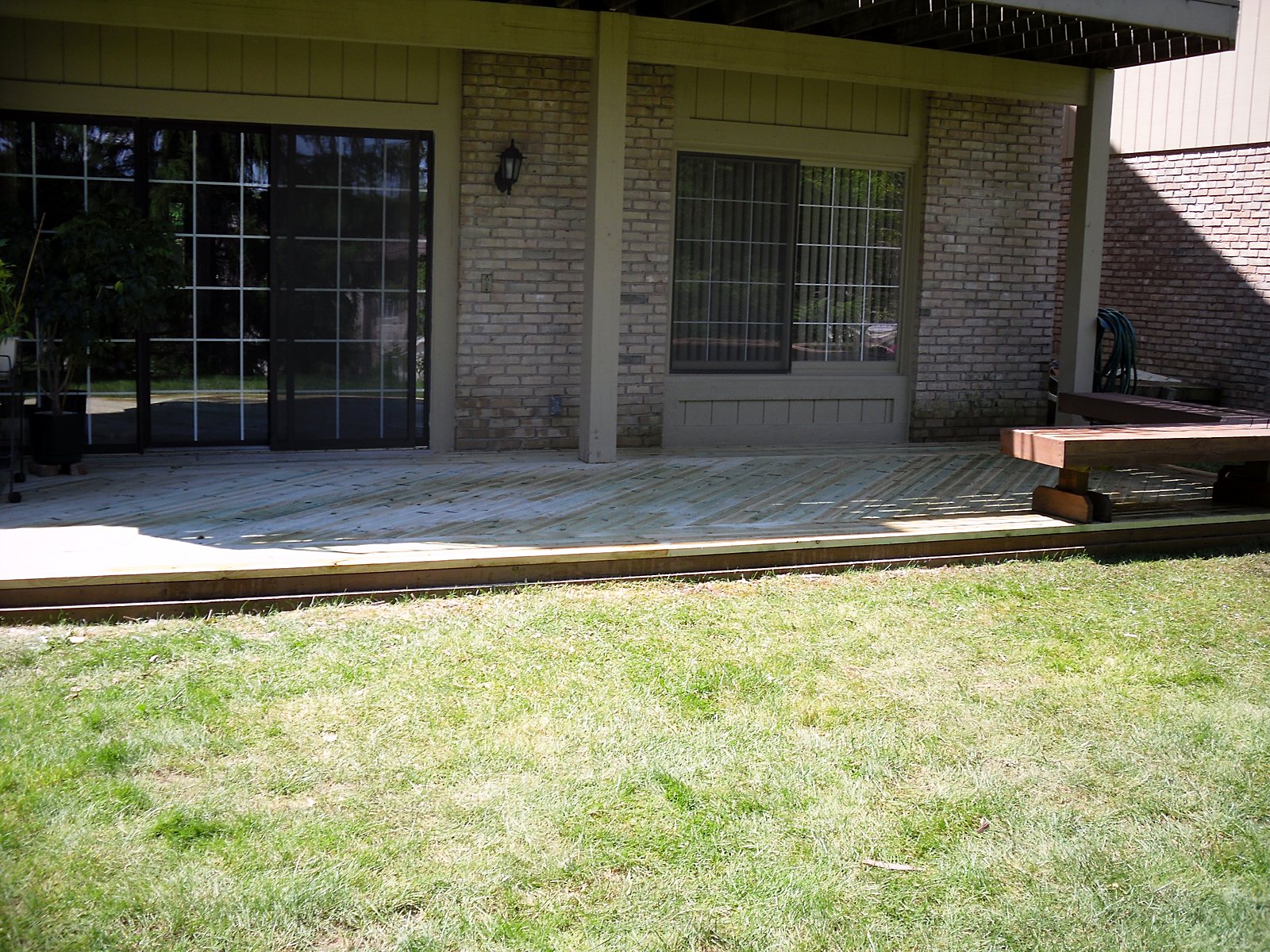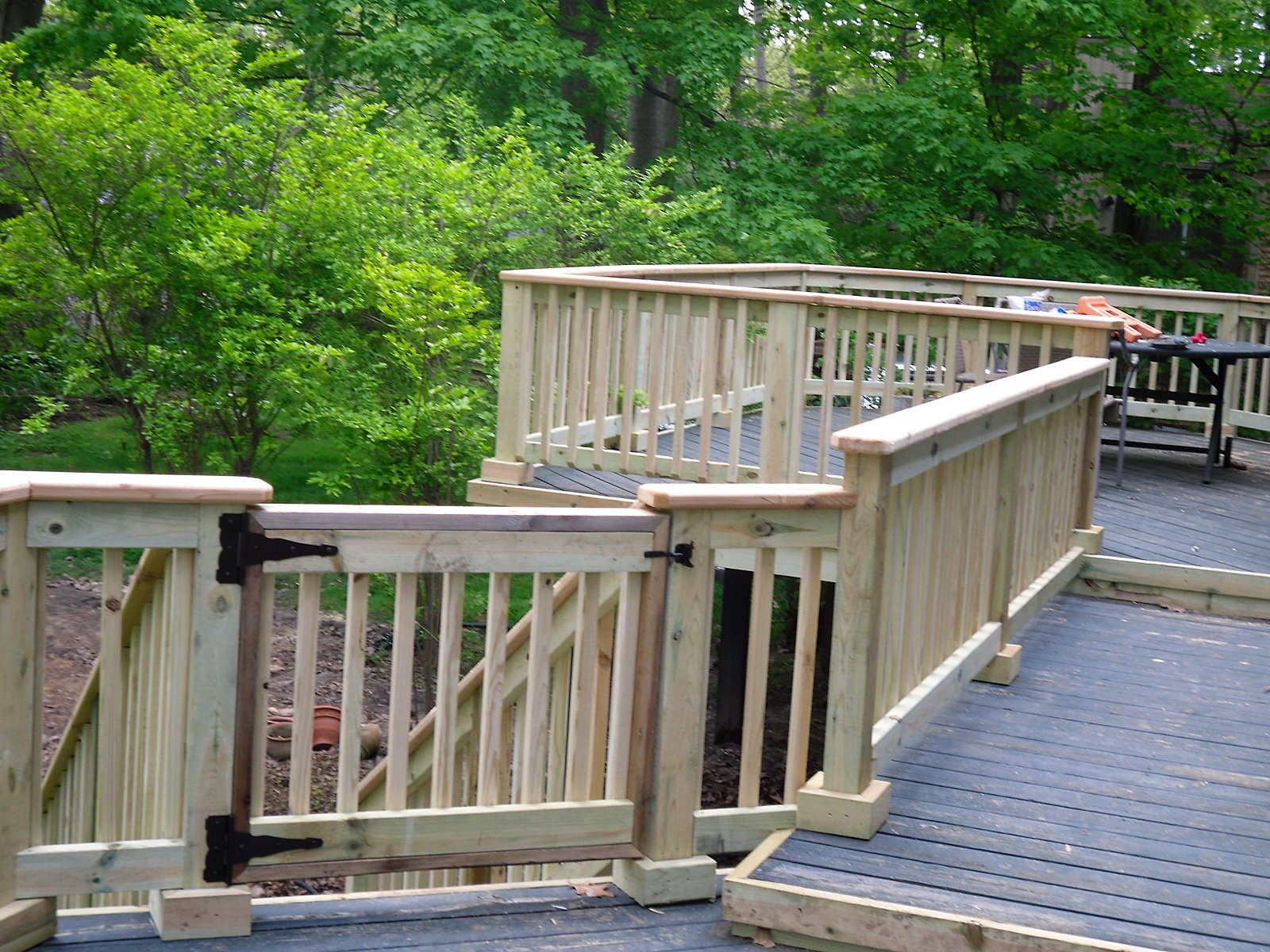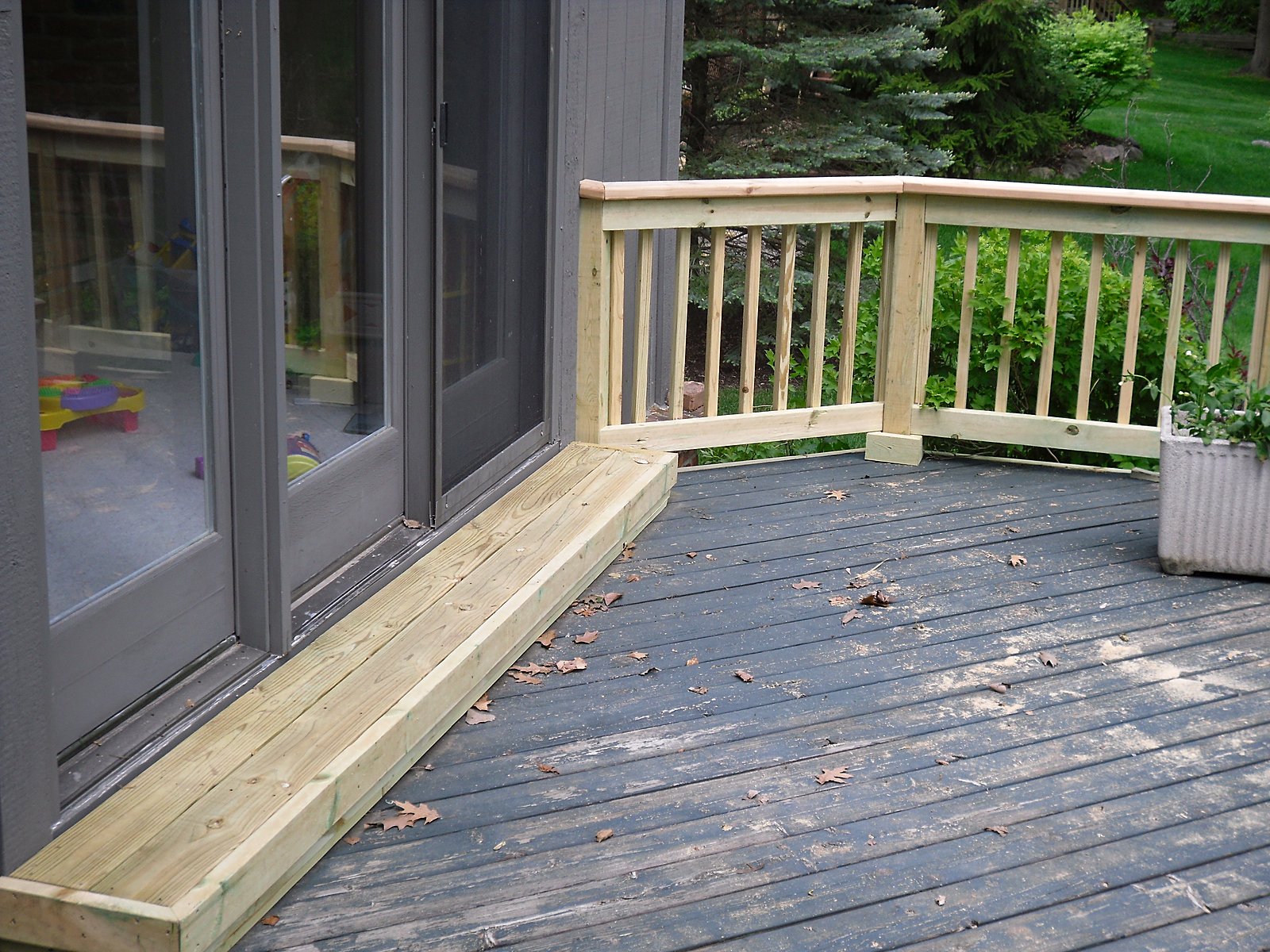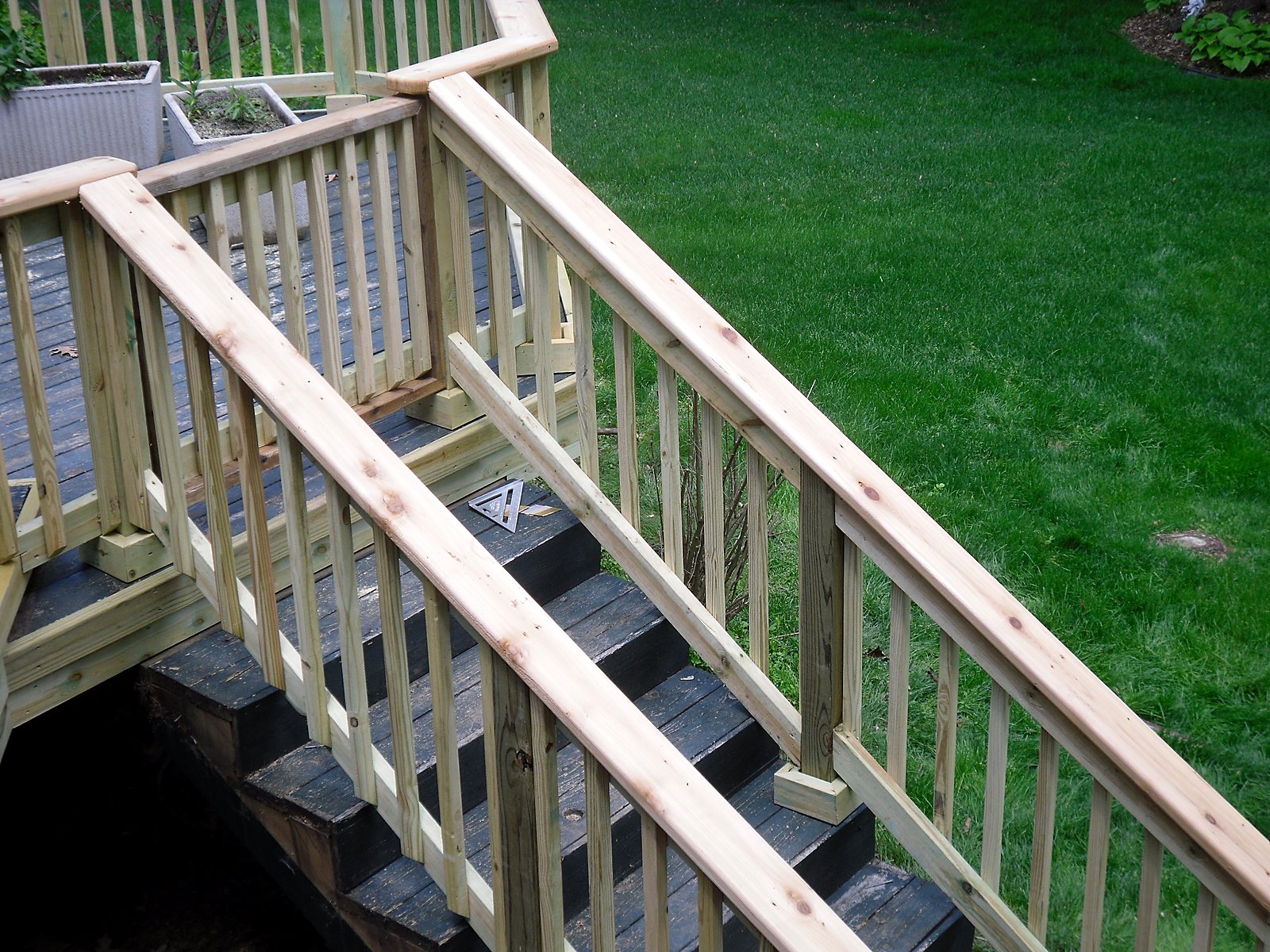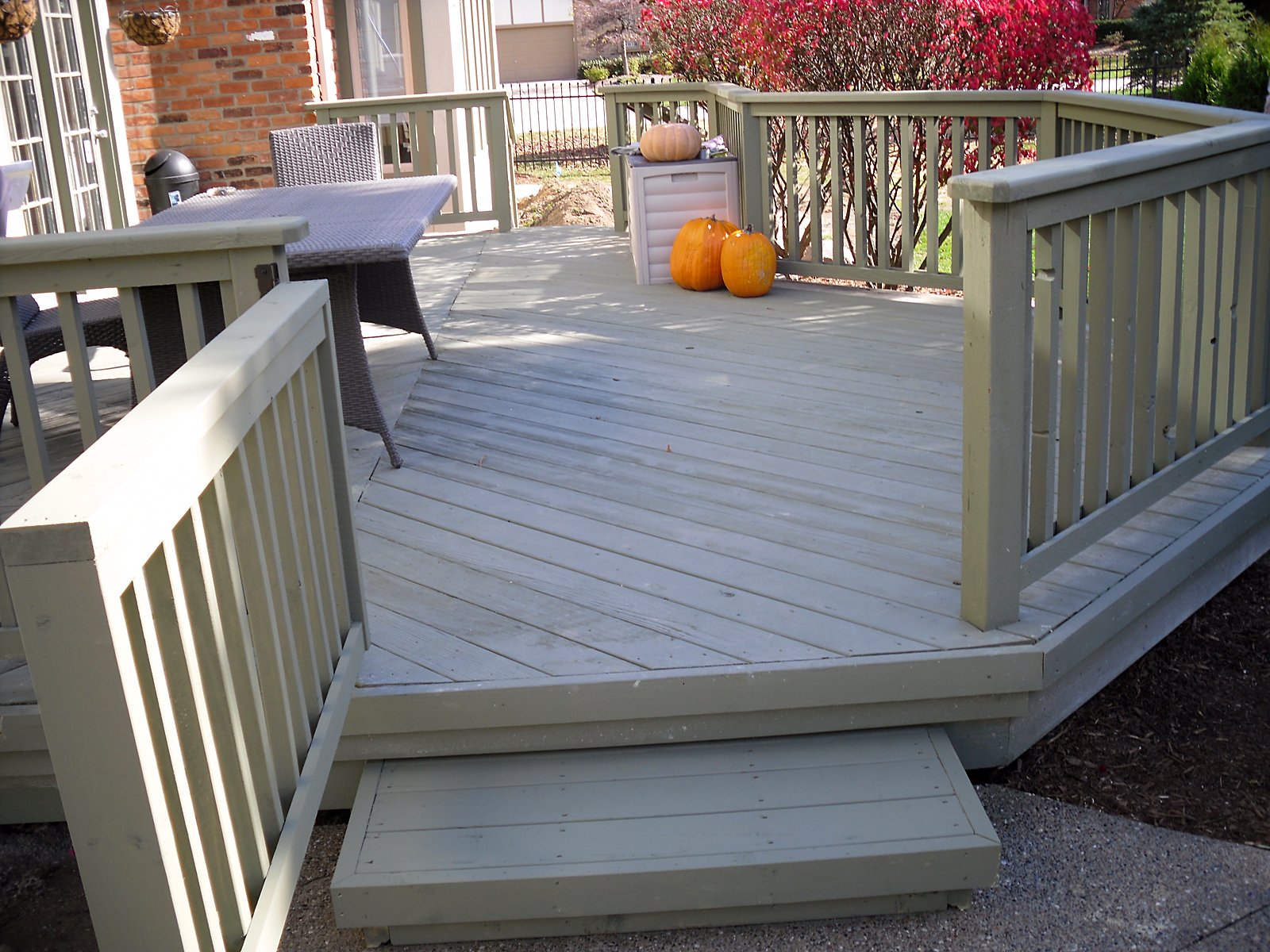
Deck Repair & Board Replacement

Board replacement, structural repair and deck leveling for wood and composite decks across Southeast Michigan.

Deck Repair

Is Your Deck Safe & Built to Code?

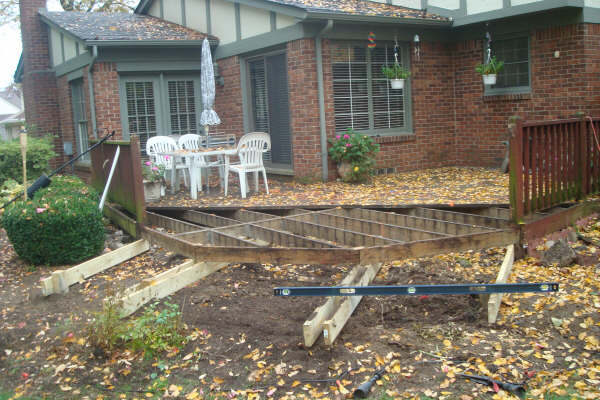
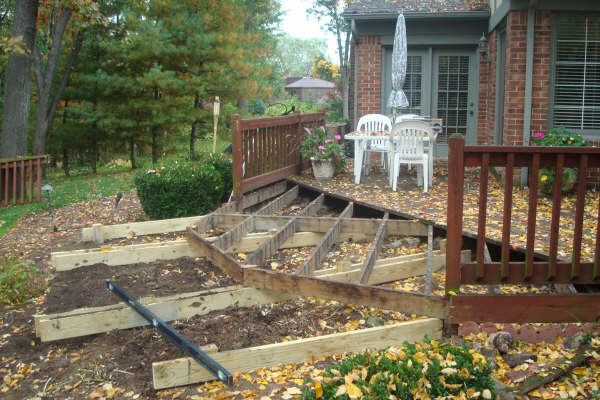
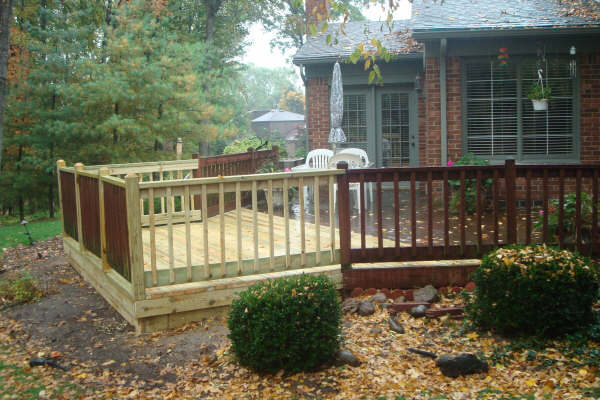
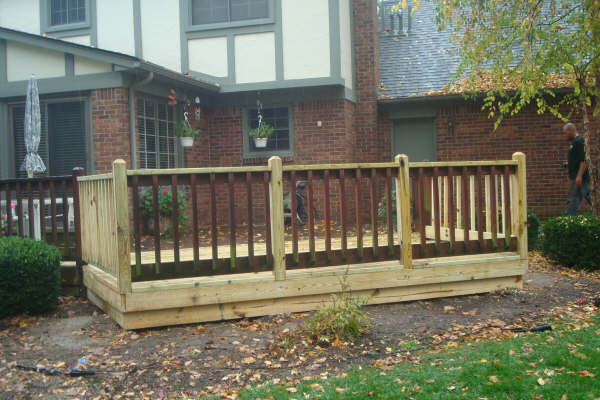
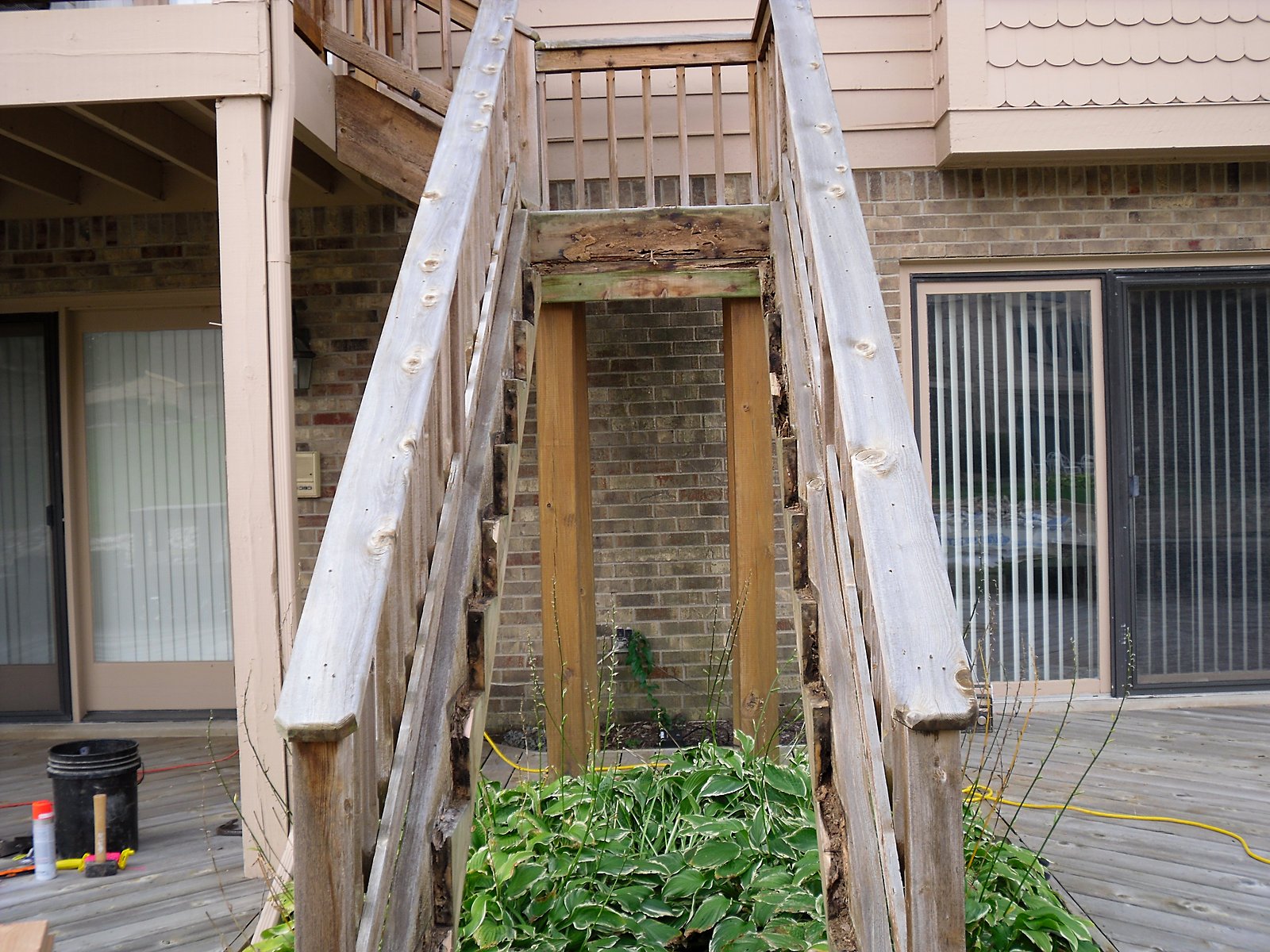
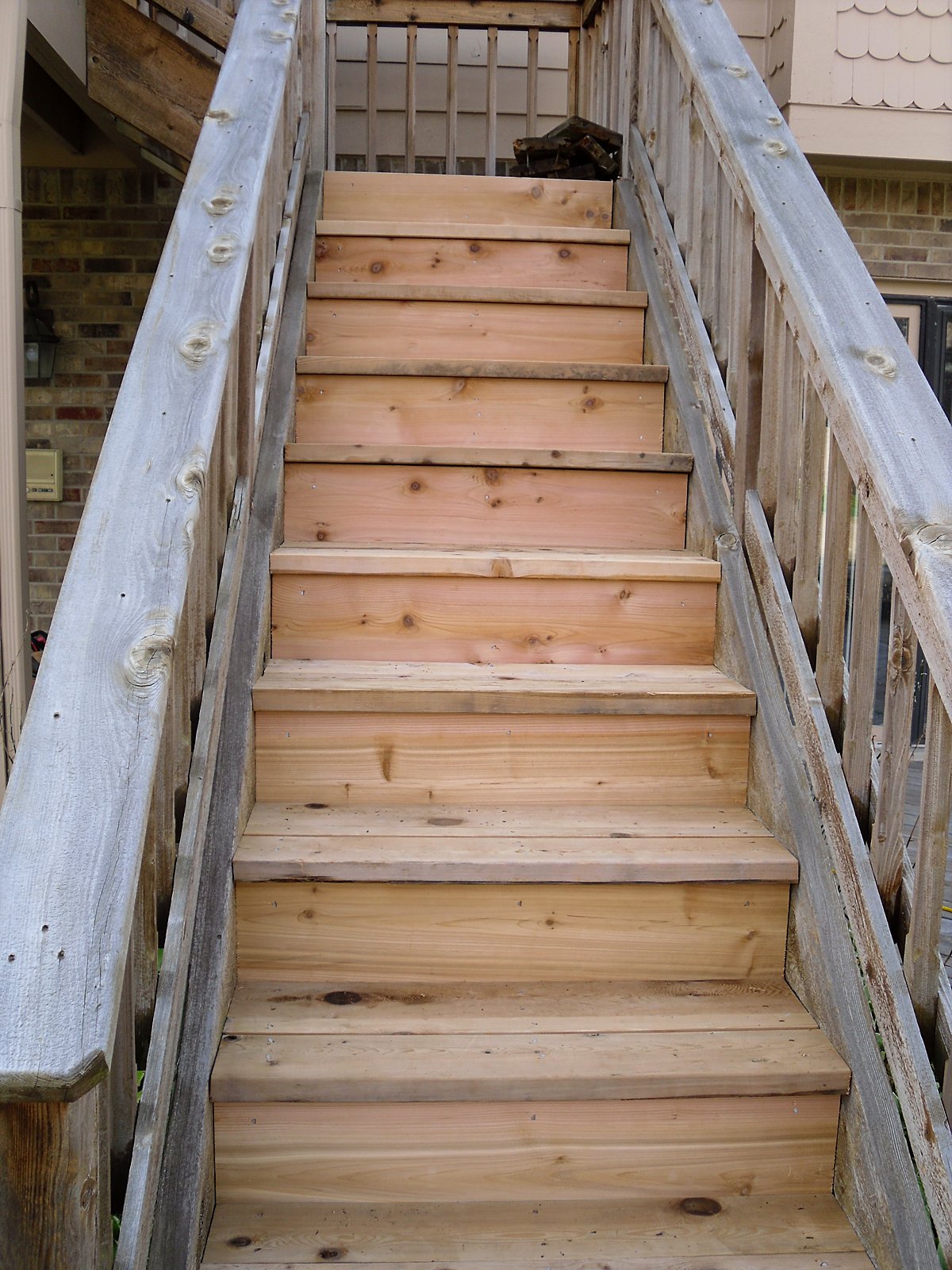
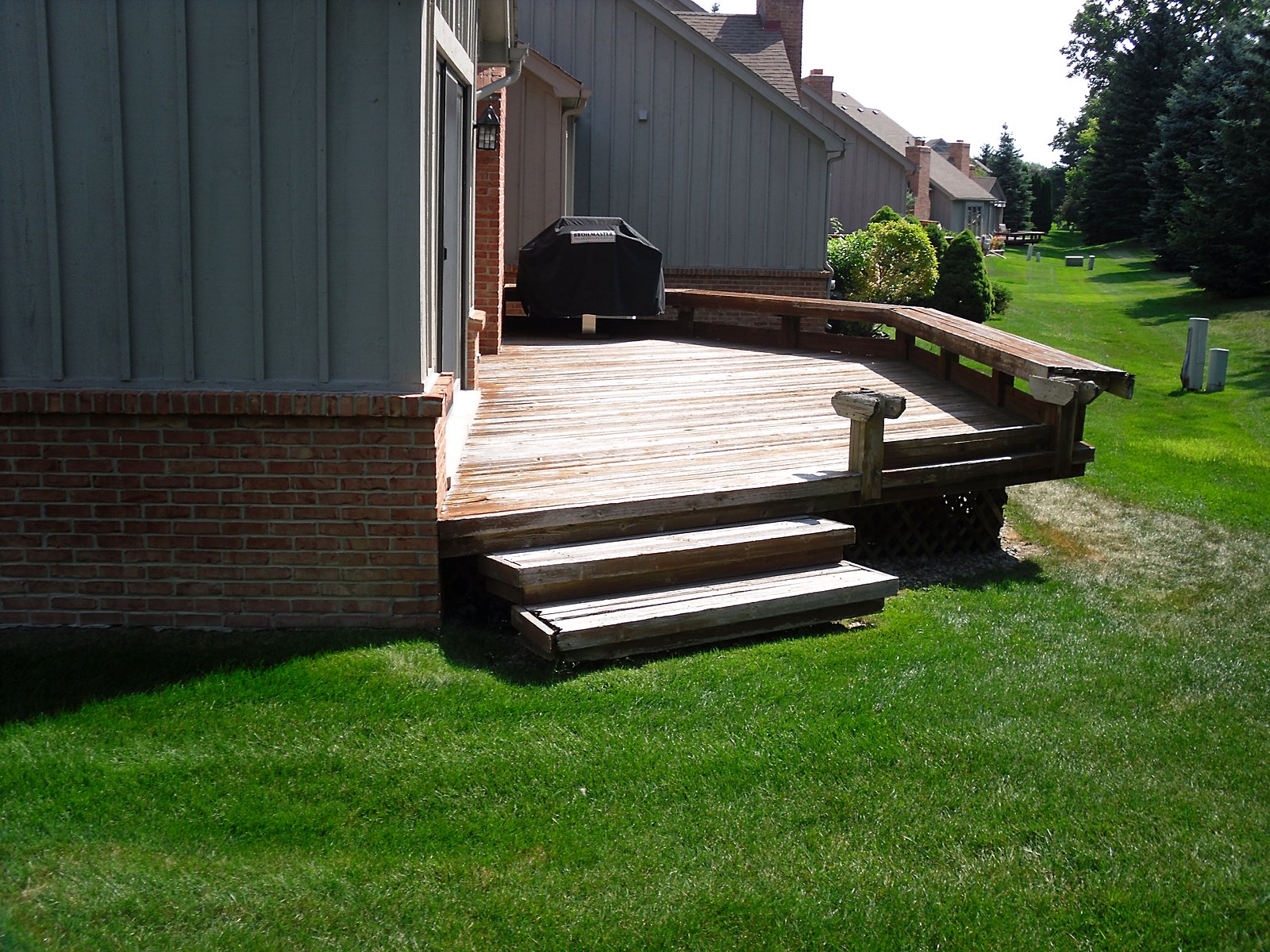
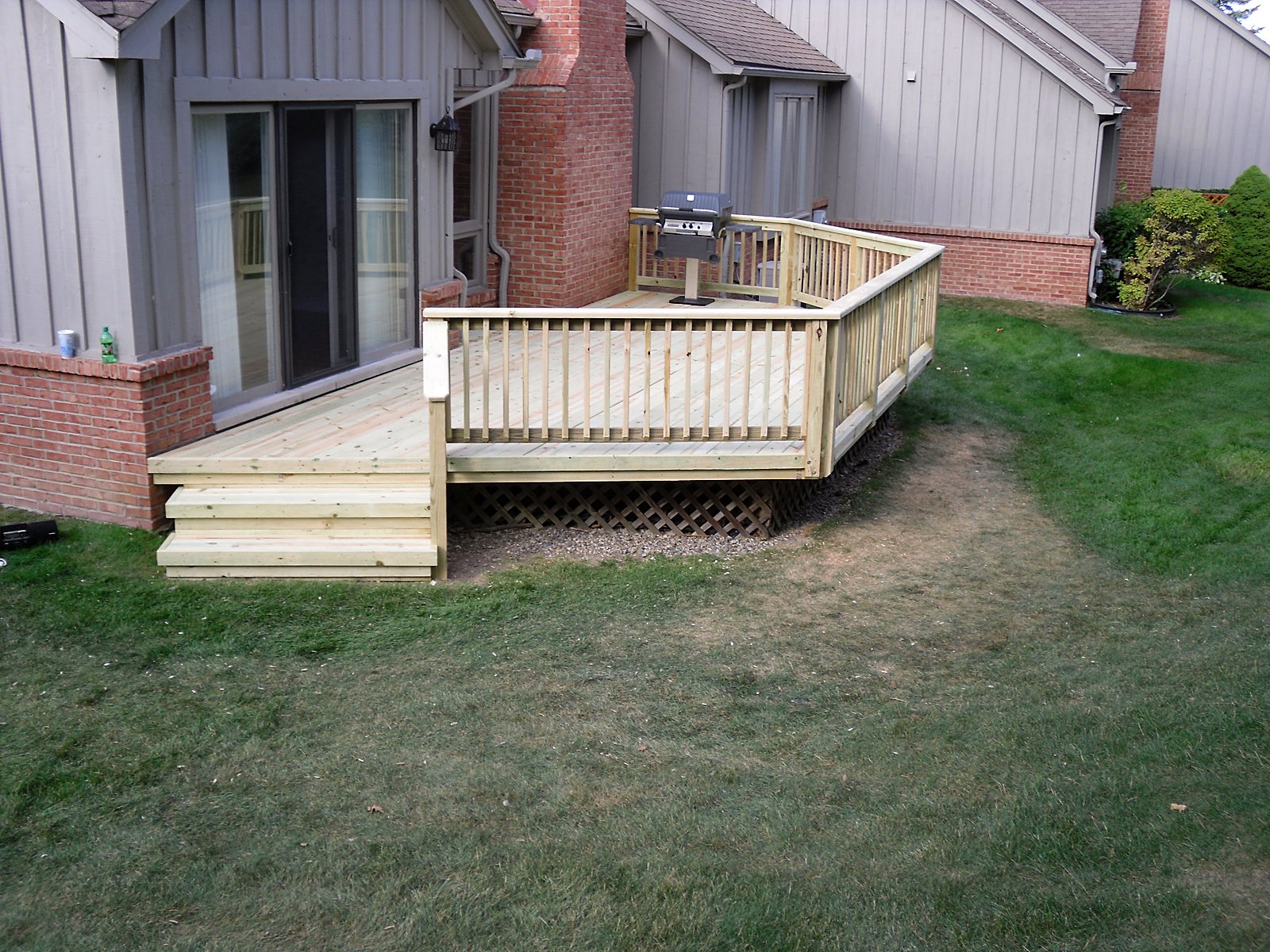
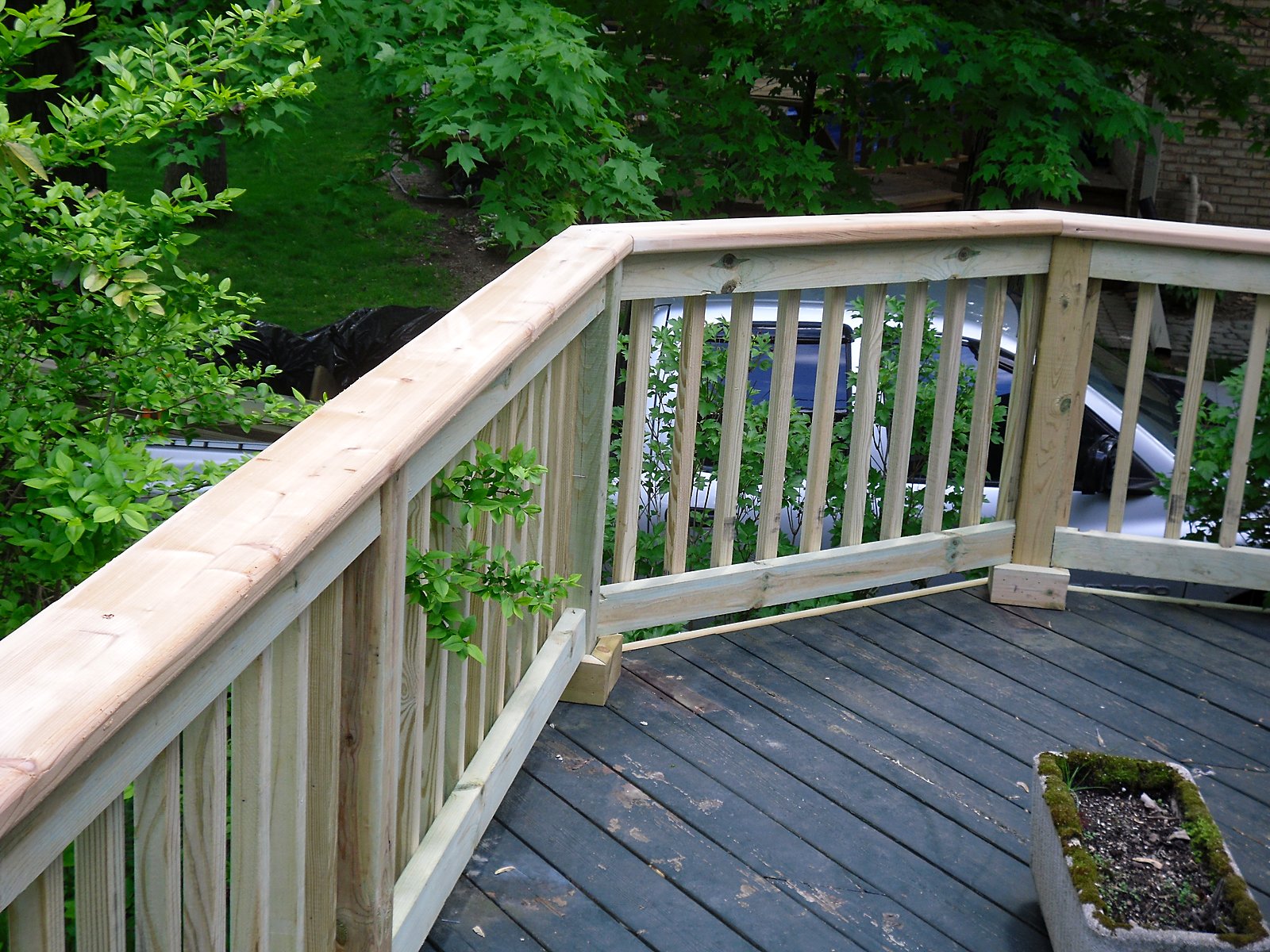
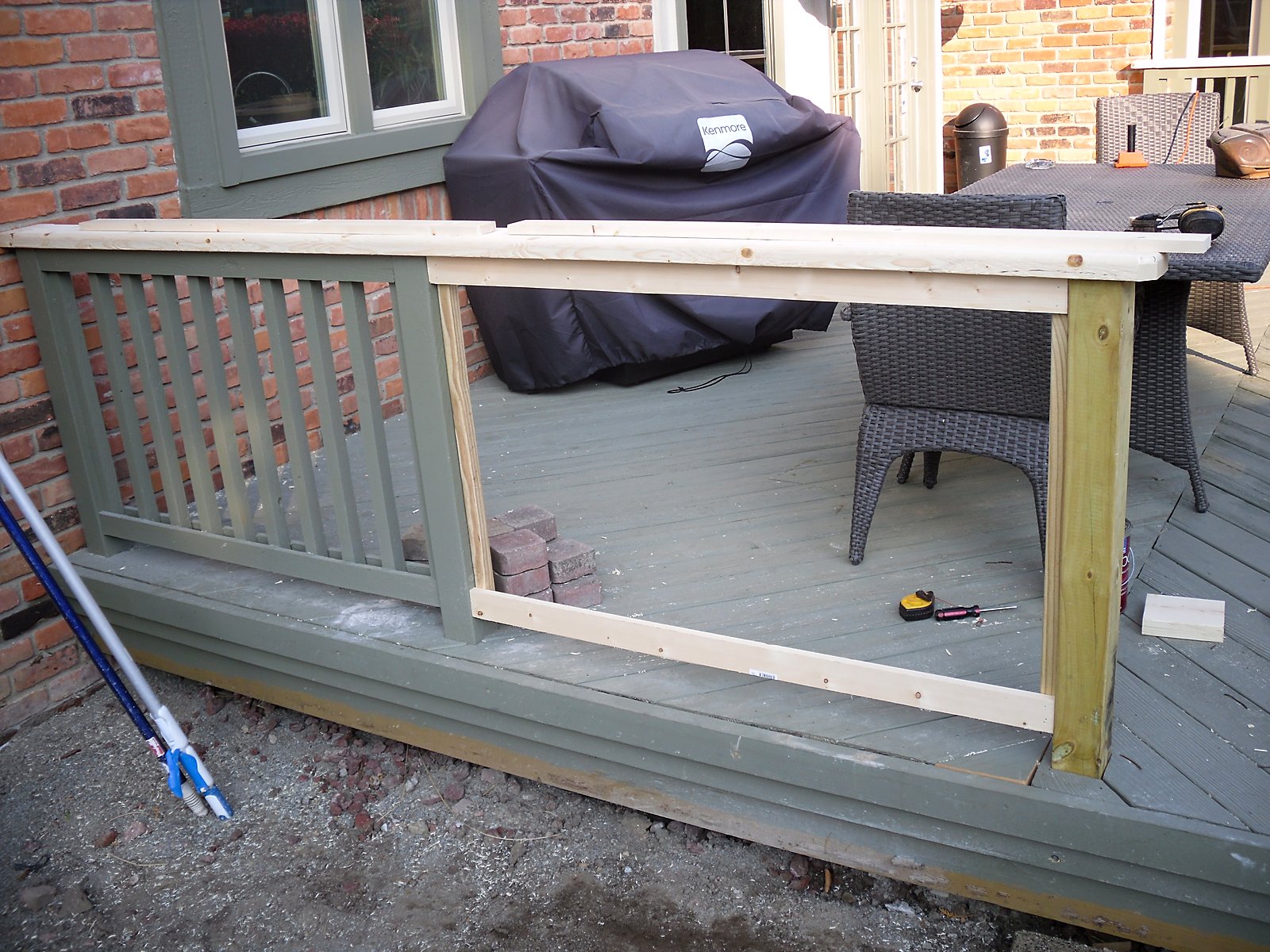
We inspect ledger boards, footings, railings and support posts on every job — loose railings and cracked posts are common on older Michigan decks. From single-board replacement to full structural rebuilds, we repair wood and composite decks alike.
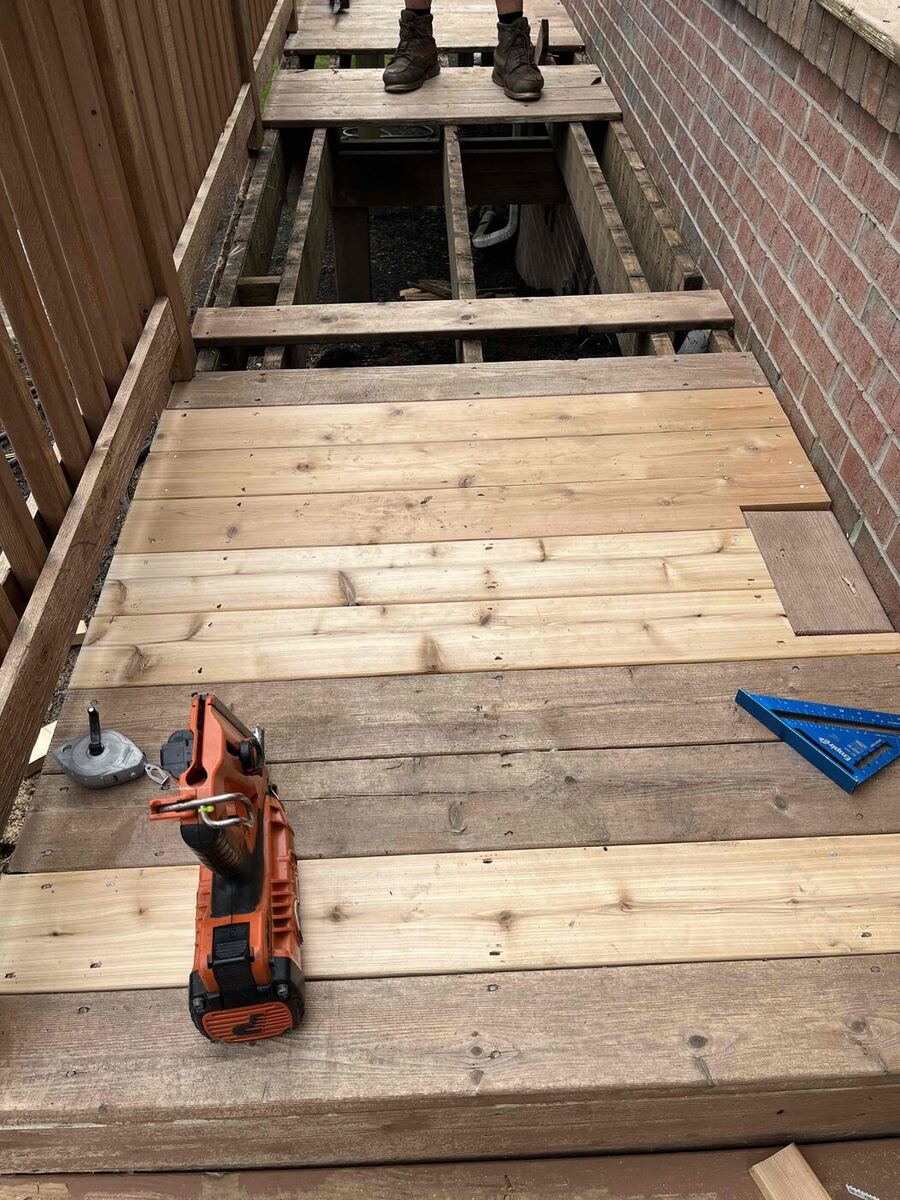
  • Board & railing replacement
  • Deck leveling & structural repair
  • Ledger board & footing inspection
  • Wood & composite/Trex decking
Recent Work

Recent Repair Projects

30+ Years of Repair Experience

Deck Repair Issues We See Every Day in Michigan

Three decades of repairing Southeast Michigan decks has taught us a few things most handyman services and big-box lumber runs won't tell you. A few of the most common questions we get:

Should I use a solid-color stain on my deck rails?
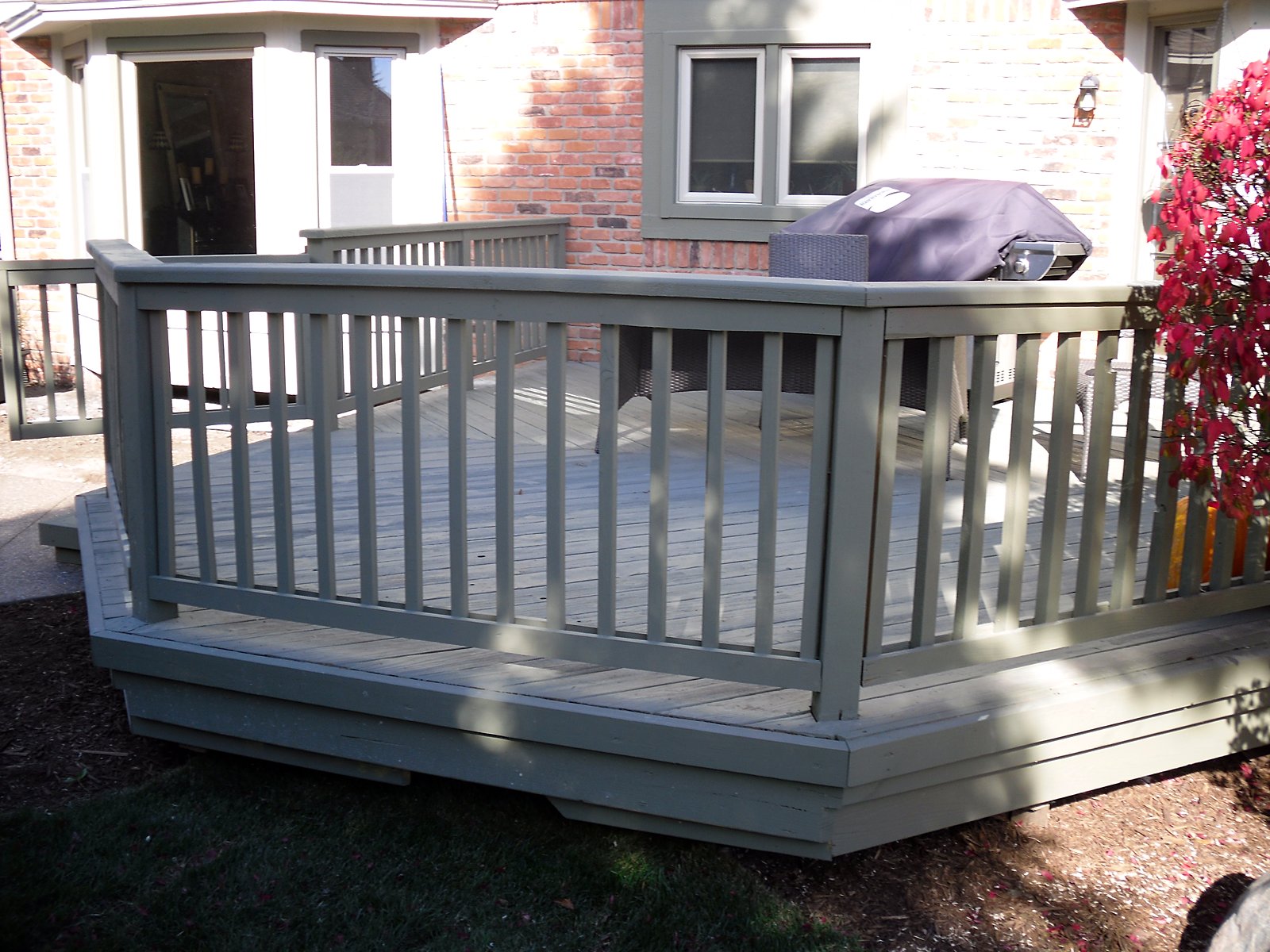
A solid-color stain treatment is when the vertical rails get a solid-color coating (usually to match the house) while the flooring gets a transparent or semi-transparent stain to keep it from peeling underfoot. It's expensive and time-consuming, and once the rails have a solid finish you can't go back to a natural look. Cleaning the floor later without chipping the rail finish is difficult, and touch-ups are usually needed. We generally do not recommend solid-color stain on deck flooring — when we do use a solid finish, we use Sherwin-Williams SuperDeck, a urethane-modified coating that outlasts most competitors' solid-color products.
What's a "re-deck" or resurface, and is it cheaper than a full rebuild?
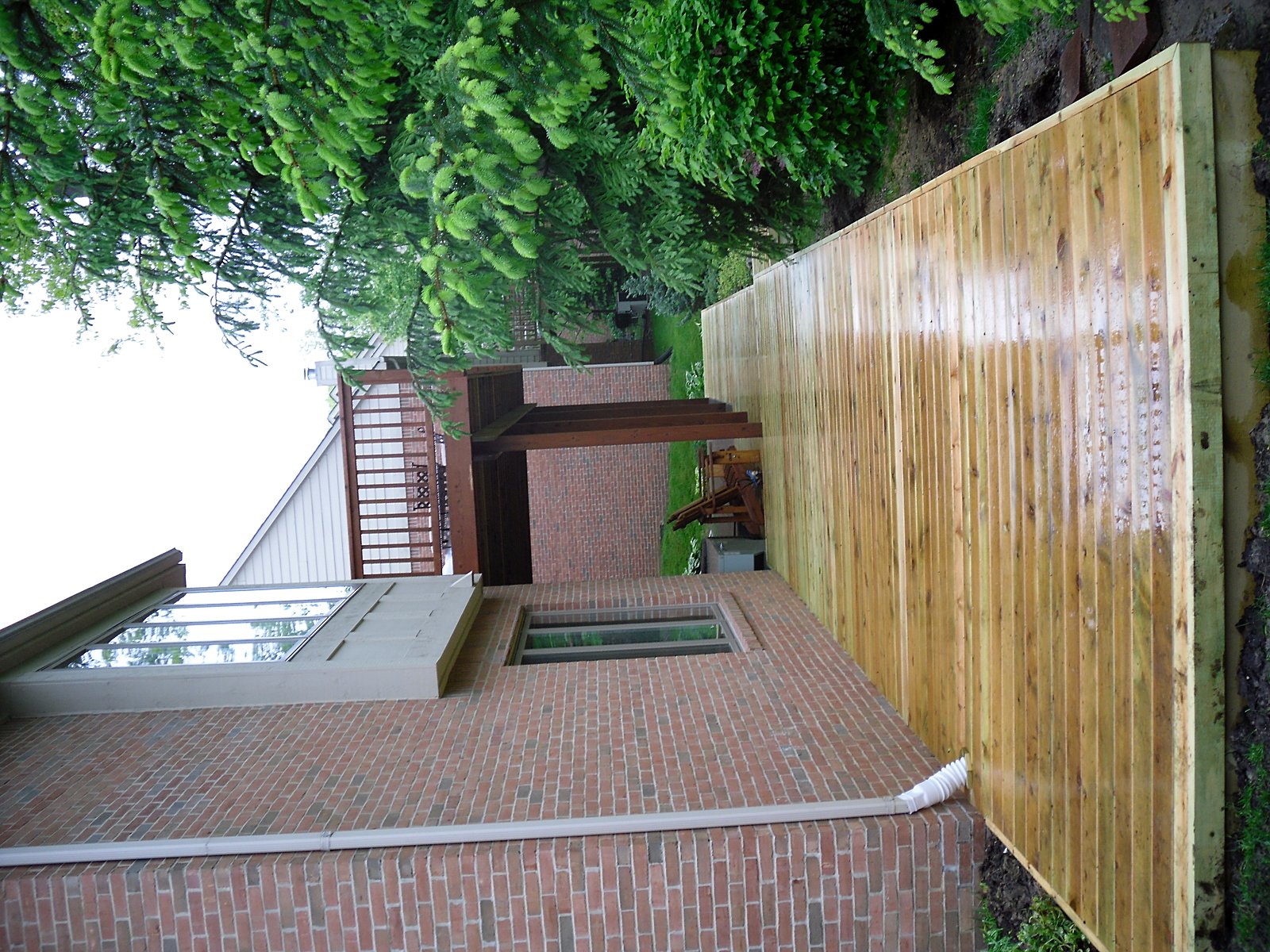
A re-deck (or resurface) is when we keep your existing pressure-treated framework and lay new cedar or composite decking directly over top, instead of tearing the whole structure out. It's a common fix for a deck with a rotted or worn-out floor but a sound frame underneath, and it saves homeowners a substantial amount over a full rebuild. The existing joist spacing has to meet code and be spanned correctly for this to work — we check that first. No permit is required for a resurface since the underlying structure isn't changing.
If you replace a few boards, will they match the rest of my cedar deck?
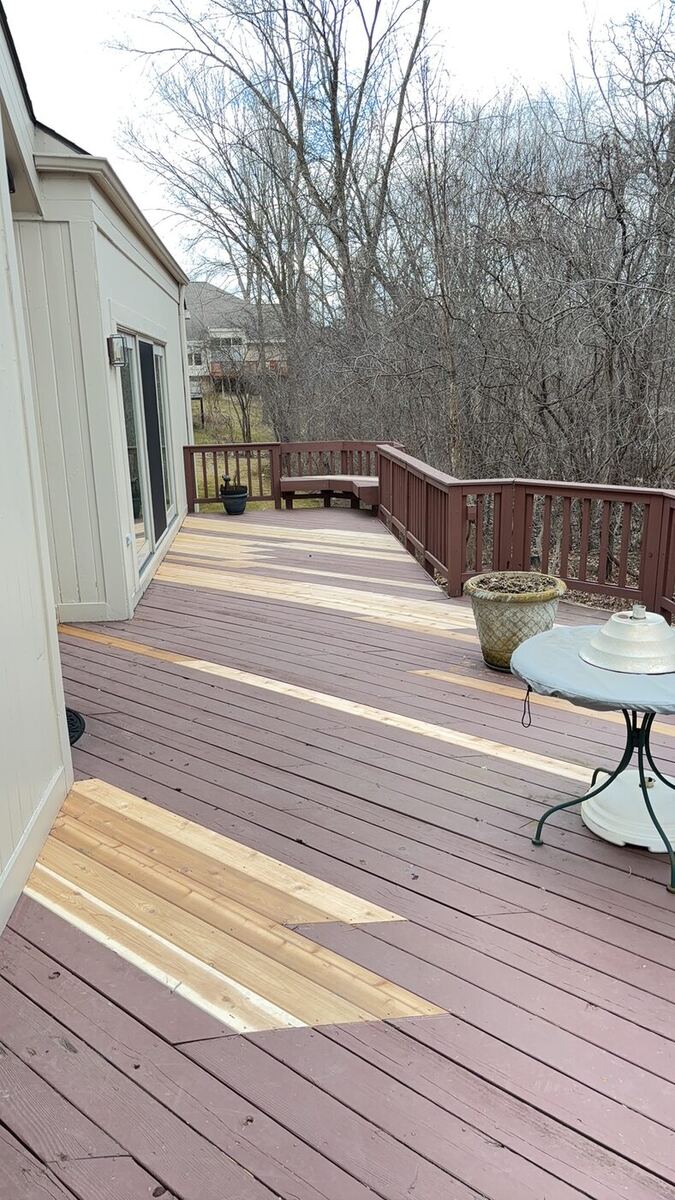
We weather new cedar decking before installing it whenever possible. Fresh-cut cedar has a "mill glaze" — a skin-like surface that keeps stain from penetrating properly, which is why new boards often stand out for years against the rest of the deck. Most repair companies buy cedar off the shelf at a big-box store and install it as-is, leaving an obviously patchworked floor. Our process gets new and old boards much closer in color once the job is sealed. This trick doesn't work on Wolmanized or pressure-treated decking, only cedar.
Why doesn't cedar decking last like it used to?
Cedar and redwood decks built decades ago came from old-growth lumber loaded with natural oils and resistant to rot and insects. Today's cedar mostly comes from managed, new-growth forests, so it contains more sapwood and decays faster — it cracks, splinters, and looks rough within a few years if it isn't kept treated. Once pressure-treated 5/4 decking has weathered and splintered, sanding won't fix it; the boards need to be replaced.
Why is my deck sinking, heaving, or out of level?
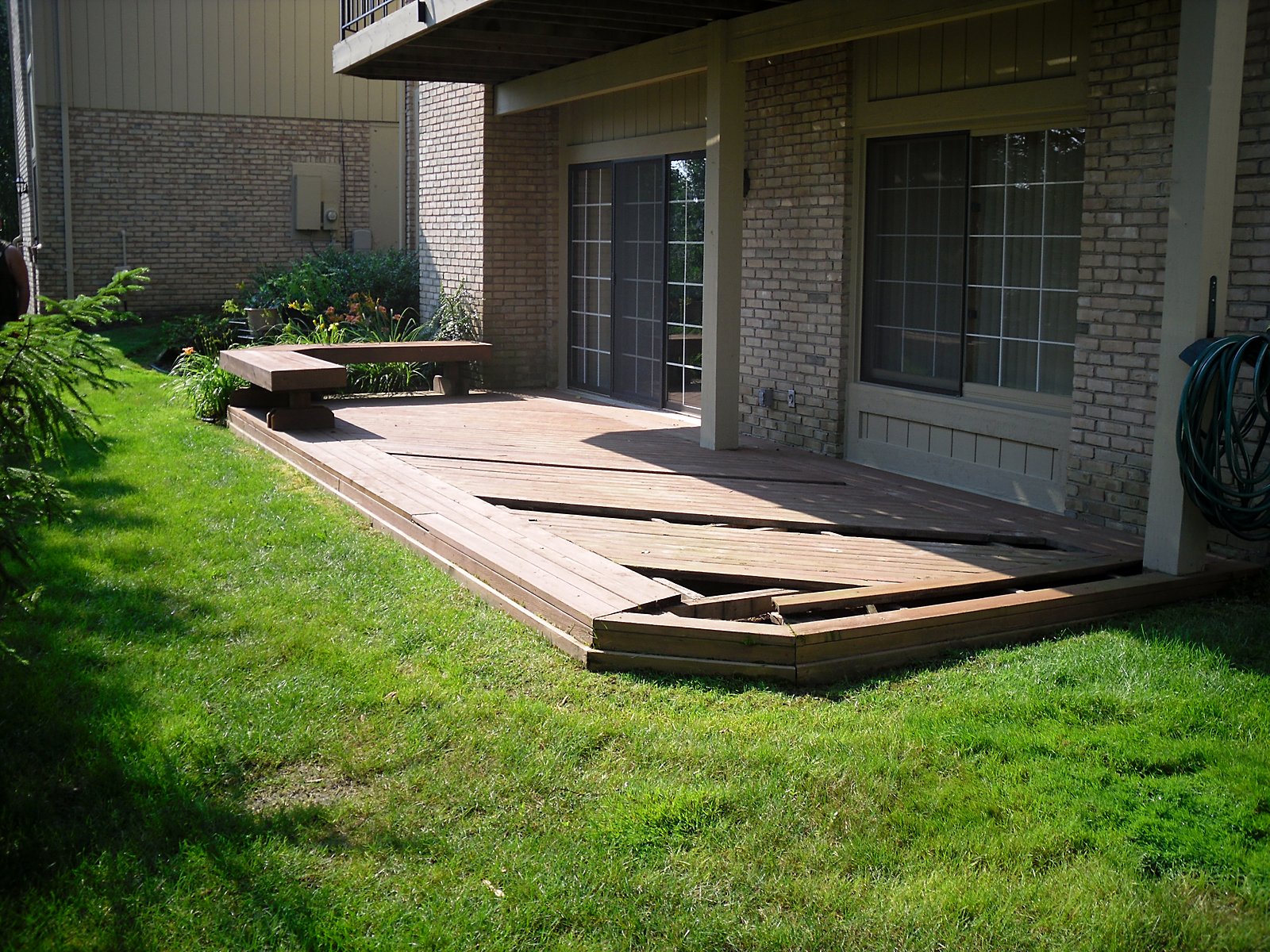
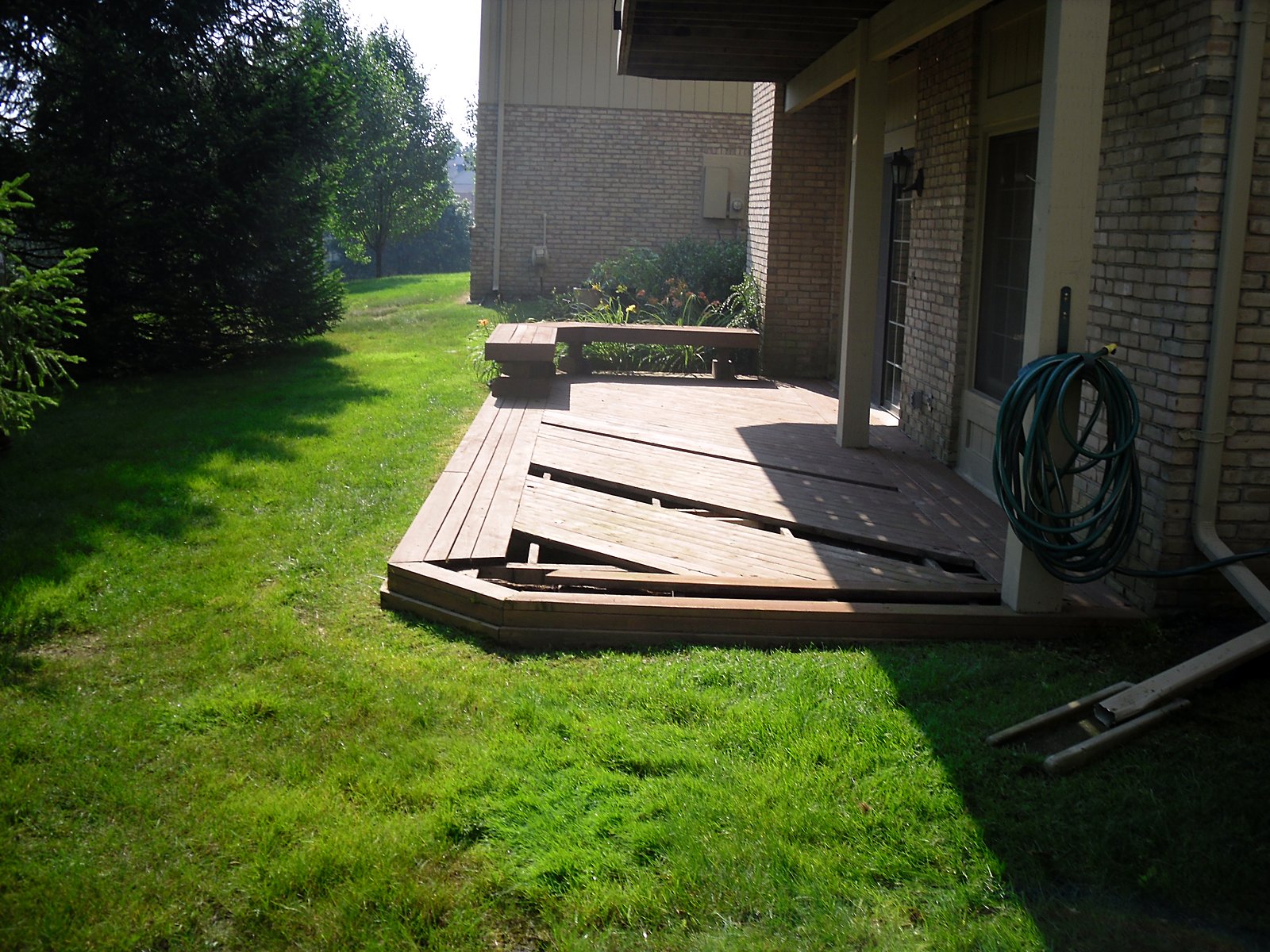
Rough Michigan springs and falls cause a lot of decks across Metro Detroit to sink or heave out of level — we've replaced as many as 5 heaving posts on a single Ann Arbor deck in one visit. Michigan code requires footings at least 42 inches deep, and we go deeper near wetlands. Footings poured too shallow are the usual culprit: sandy, well-drained soil resists frost heave, but soil with higher clay content expands when it freezes and pushes footings, posts and even concrete out of the ground. There's no real warranty on deck-leveling work industry-wide, which is why it matters that Supreme Deck carries full workman's compensation and liability insurance for this work — unlike most unlicensed handymen.
What are those sticky sap spots on my pressure-treated deck?
That's a "pitch pocket," not sap — it's resin trapped inside the board that melts and runs when the wood gets hot, most common in yellow pine and most noticeable on sunny sections of a deck. It has nothing to do with your stain or sealer. Lumber that's kiln-dried above 160°F usually won't have this problem, since the heat solidifies the pitch; boards that do run were dried at a lower temperature. There's not much to do beyond wiping it with a little turpentine or Goo Gone — pitch pockets eventually run dry on their own.
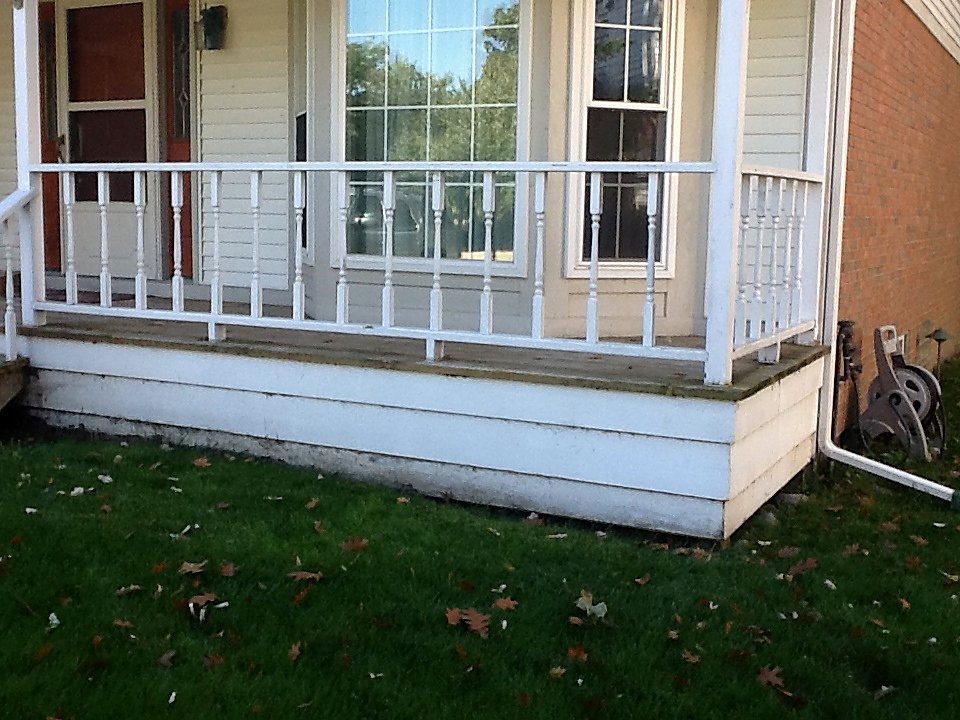
Can you repair or replace custom deck posts and railings?
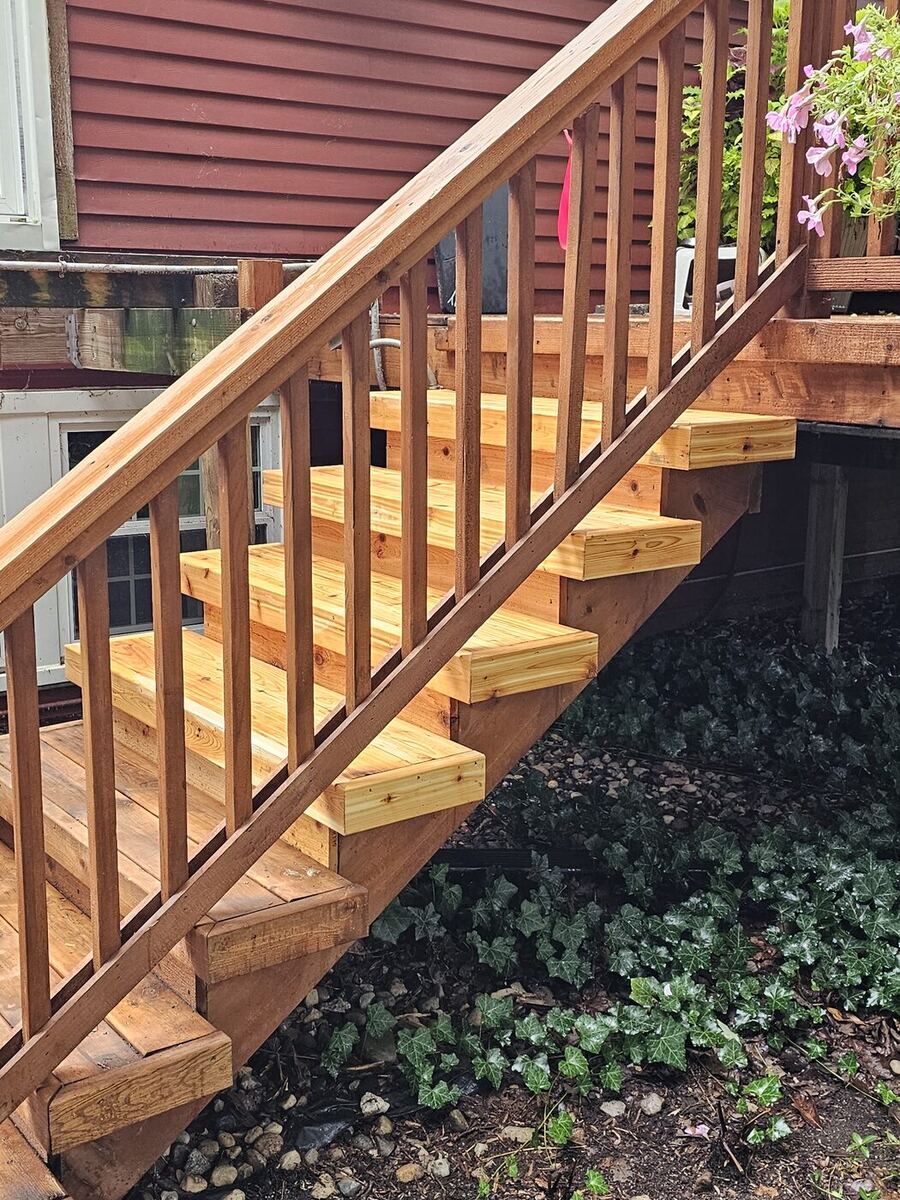
Most cedar decks start showing rot around the 12–17 year mark, usually starting at the ends of the floor boards. Older decks, especially those built in the late 1990s, often have custom king posts that were hand-built by the original contractor — every one is a little different, which makes them hard to source replacements for. For rotted or broken post caps we can't source ourselves, we turn to Mr. Spindle, a custom millwork shop that can reproduce almost anything.