Soft Washing for Homes & Siding
A low-pressure, chemical-based clean that lifts mildew, algae and grime from siding without the damage a pressure washer can cause.
Gentler Than Pressure Washing, Built for Siding
High-pressure washing can strip paint, crack vinyl siding, and force water behind panels where it doesn't belong. Soft washing uses low pressure — typically under 500 PSI, compared to the 1,500–3,000 PSI range used on decks — combined with a specialized cleaning solution that breaks down mildew, algae and grime at the surface, then rinses it away safely without damaging siding, brick, stucco, or trim.
It's also more effective long-term. Pressure washing alone blasts growth off the surface but leaves the roots behind, so mildew and algae often return within months. Soft washing's cleaning solution kills mold and algae at the root, which is why a soft-washed house typically stays cleaner longer than one that's only been pressure washed.
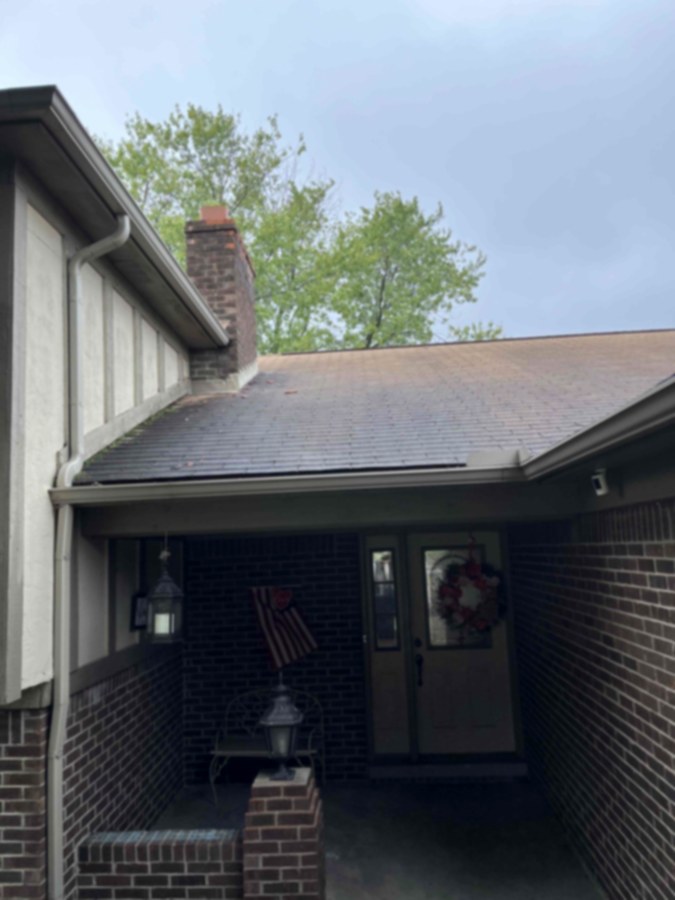
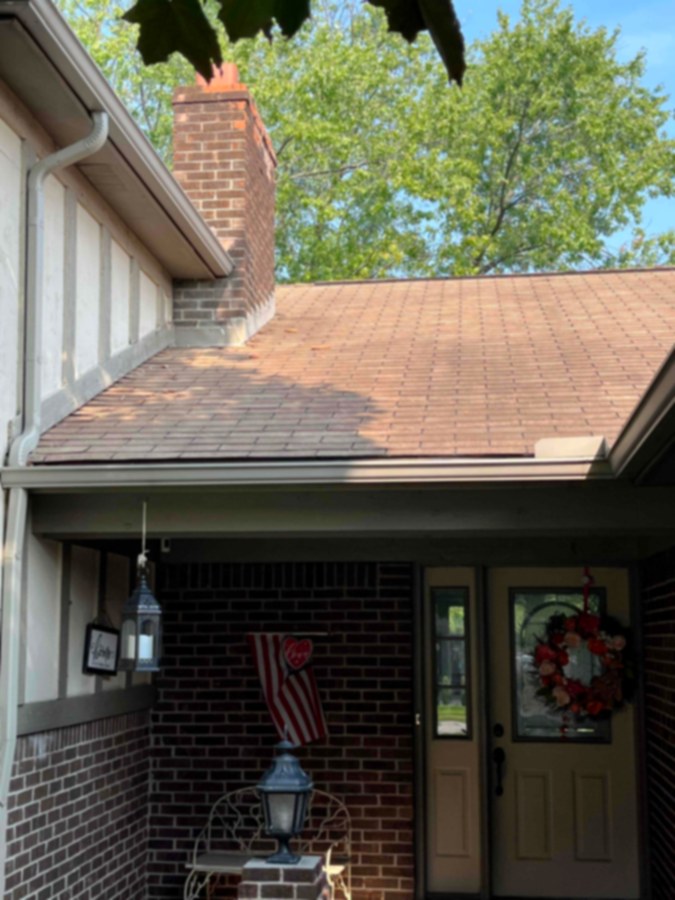
We protect landscaping, outdoor furniture and anything else near the house before we start, and rinse thoroughly when we're done so no cleaning solution is left behind on plants or hardscaping.
Cedar shake and shingle siding needs this approach more than almost any other exterior surface. Shakes are thin, hand-split (or resawn) pieces of cedar, and a pressure washer's direct force will lift and separate their grain, split them along the face, and blast away the wood's natural weathering layer — damage that can't be undone. Cedar shakes are also especially prone to moss, lichen and black algae staining because they hold moisture in their rough, porous surface longer than smooth siding does, particularly on north-facing walls and anywhere shaded by trees. Soft washing's low-pressure chemical solution lifts that growth off the shake surface and kills it at the root without ever forcing water up under the courses or eroding the wood itself, which is exactly why it's become the standard method for cleaning cedar shake and shingle exteriors.
- Safe for vinyl, wood, brick & stucco siding
- Purpose-built for cedar shake & shingle siding
- Removes mildew, algae & green/black streaking
- Low-pressure, surface-safe application
- Kills mold & algae at the root for longer-lasting results
- Landscaping & outdoor furniture protected during cleaning
Soft Washing Questions We Hear a Lot
What Southeast Michigan homeowners usually want to know before their first soft wash.
What's actually in the soft-wash solution?
Will soft washing kill algae and mildew for good?
Is soft washing safe for landscaping and pets?
How is soft washing different from pressure washing my siding?
Can you pressure wash cedar shake siding?
Why does my cedar shake siding turn dark or grow moss?
Soft Washing Near You
We soft wash siding, brick, stucco and cedar shake across Southeast Michigan. Pick your town to see recent local work.
Ready for a Cleaner Exterior?
Free estimates — hand-brushed by a TrexPro Platinum contractor Michigan has trusted since 1991.