
Deck Staining, Sealing & Refinishing
Every coat is hand-brushed, never sprayed, for deeper penetration and a finish that actually lasts through Michigan winters.
Hand-Brushed, Never Sprayed
Spraying is faster, but brushing works stain into the grain for deeper penetration, more even coverage, and a professional satin finish that holds up. Hand-brushing also means no overspray drifting onto siding, windows or landscaping — a real risk with spray equipment on a breezy Michigan day.
The process matters as much as the product. The right sequence is: strip the old, failed finish with the correct chemical stripper, pressure wash, brighten the wood to open the grain back up, let the deck dry completely, and then stain. Skipping or rushing any one of those steps — especially stripping and drying — is the single most common reason a stain job fails within a year or two.
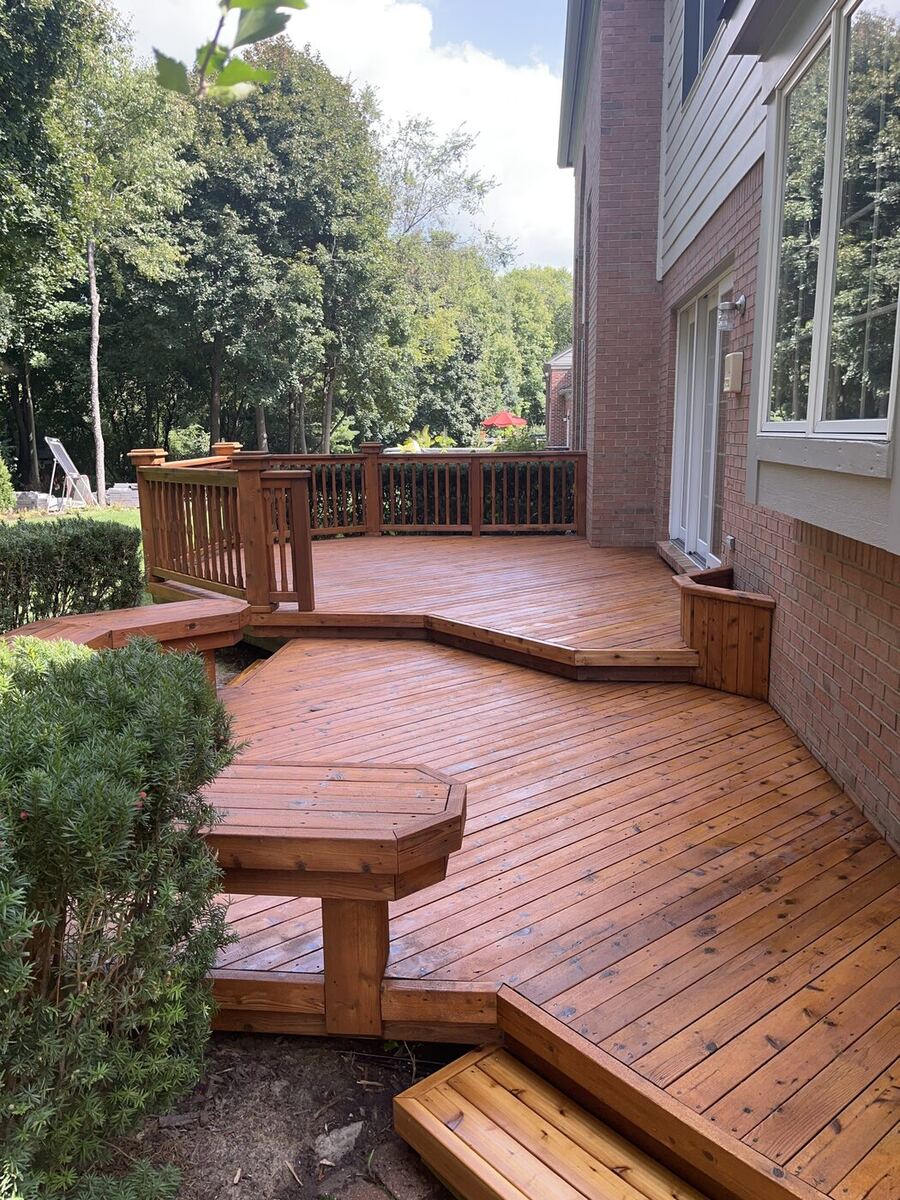
We steer clients away from big-box stains promising 3–5 years of protection; in our experience they rarely deliver on that promise in Michigan's freeze-thaw climate. Instead we use professional-grade, penetrating oil-based coatings — Olympic, TWP, Sikkens ProLuxe, Cabot, Messmer's, Ready Seal and Defy — matched to your deck's wood type and sun exposure.
New cedar or pressure-treated decking should weather for at least 30 days before its first stain, and should be sealed before its first Michigan winter. After that, plan on resealing roughly every two years to keep the finish protecting the wood.
- Hand-brushed application, never sprayed
- Proper strip & brighten prep before staining
- Olympic, TWP, Sikkens, Cabot, Messmer's, Ready Seal, Defy
- Color-matching for existing decks & fences
- New-deck timing guidance (30-day cure, pre-winter sealing)
Staining & Sealing Questions We Hear a Lot
Good stain on a badly prepped deck still fails early. Here's what we tell clients before every staining job.
Why does my stain keep peeling within a year or two?
How long should I wait before staining a brand-new deck?
How often do I need to reseal my deck?
What's the difference between transparent, semi-transparent and solid stain?
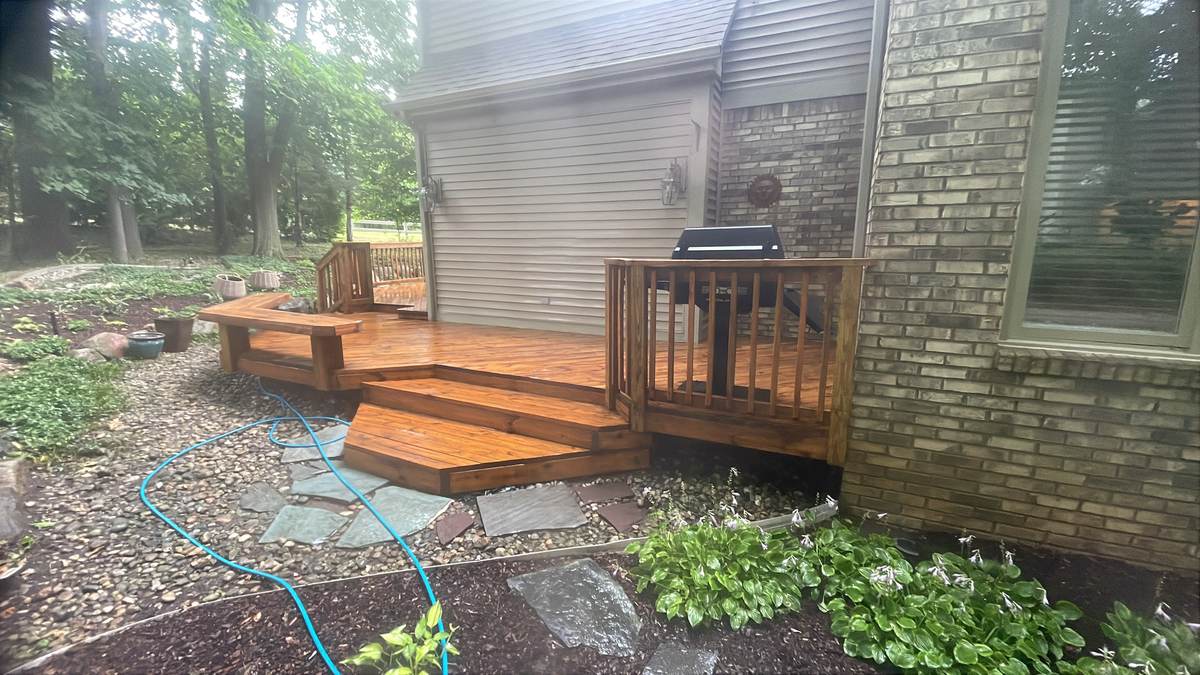
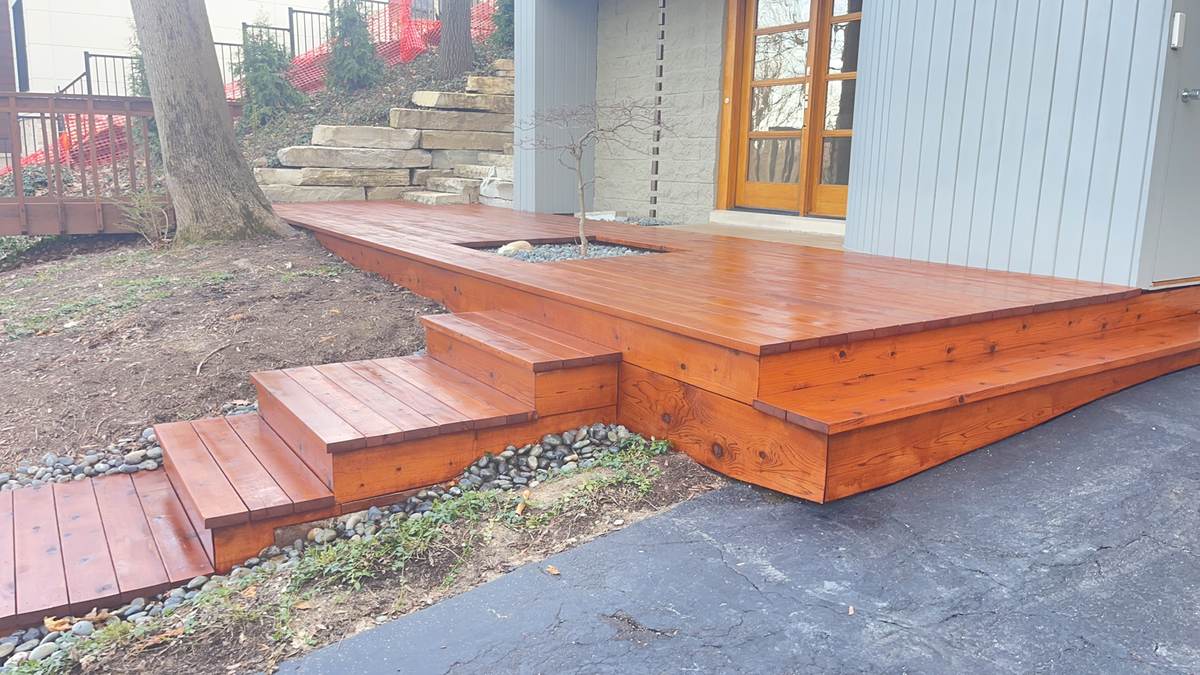
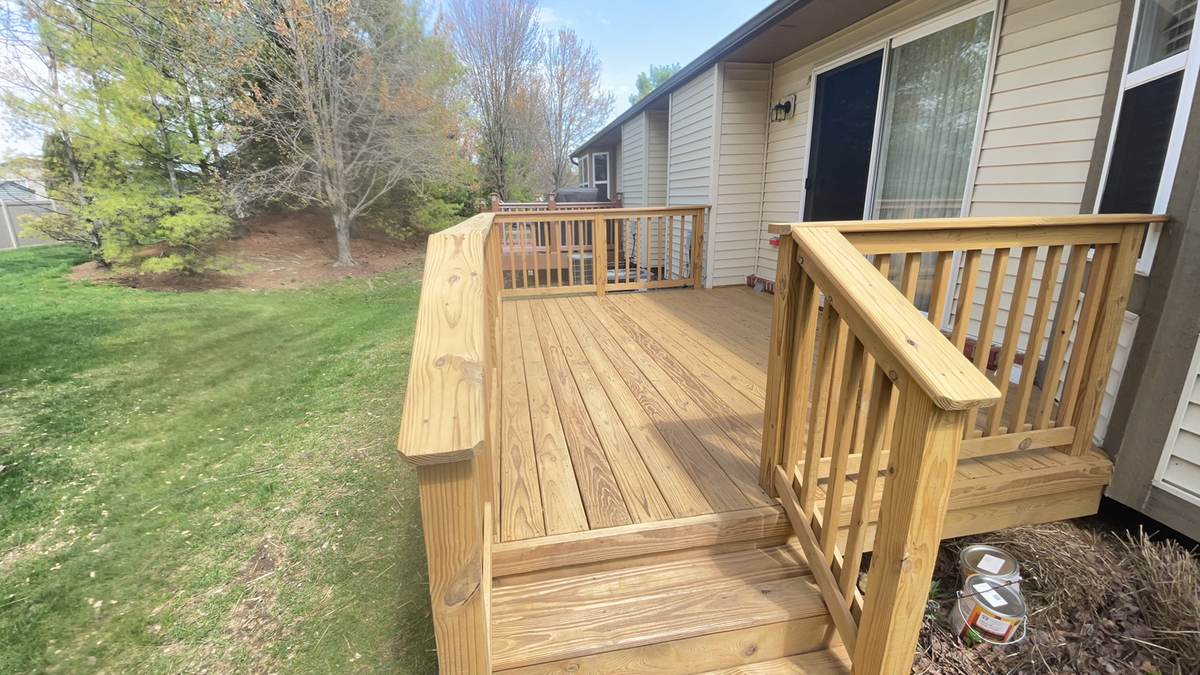
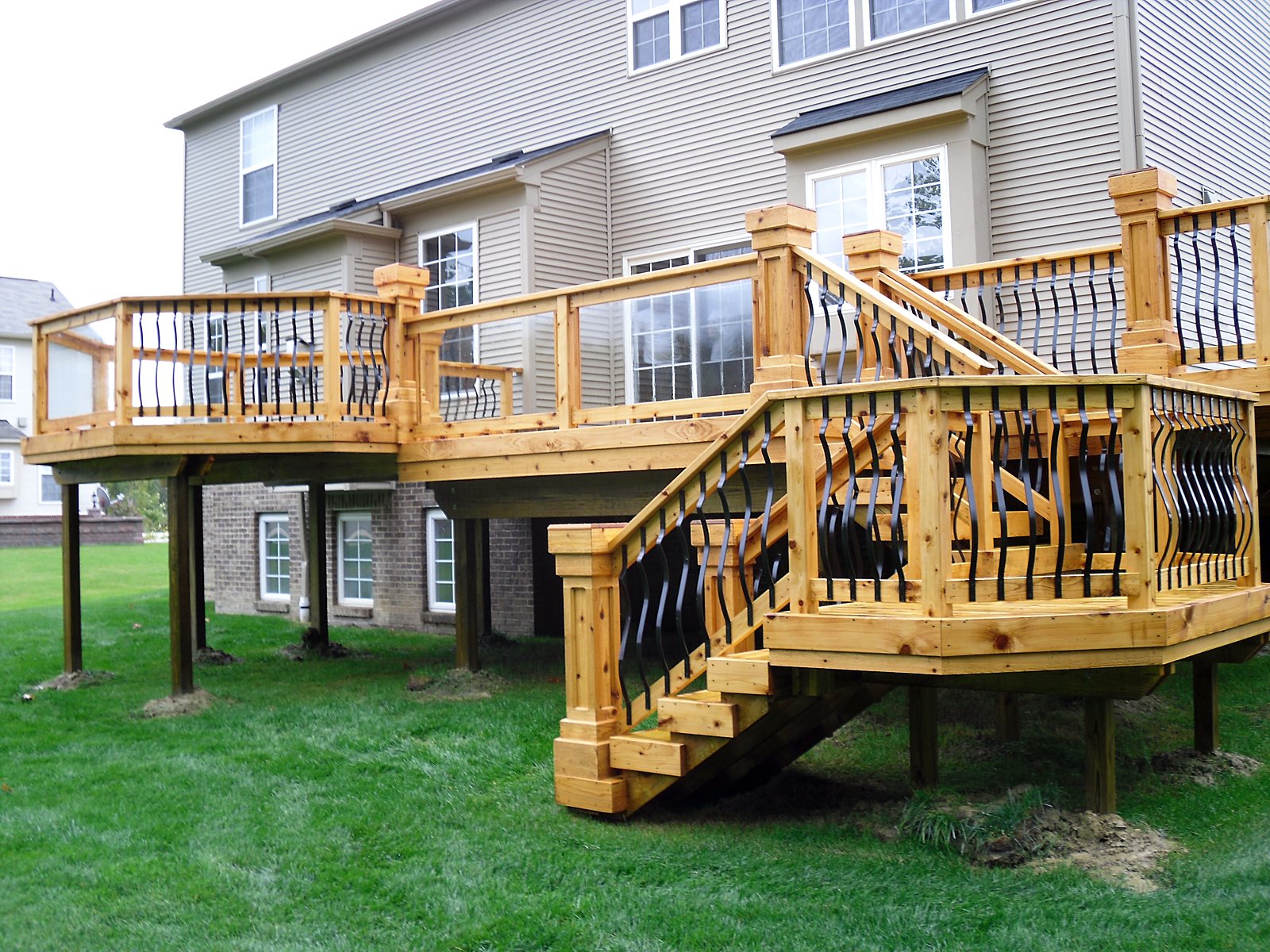
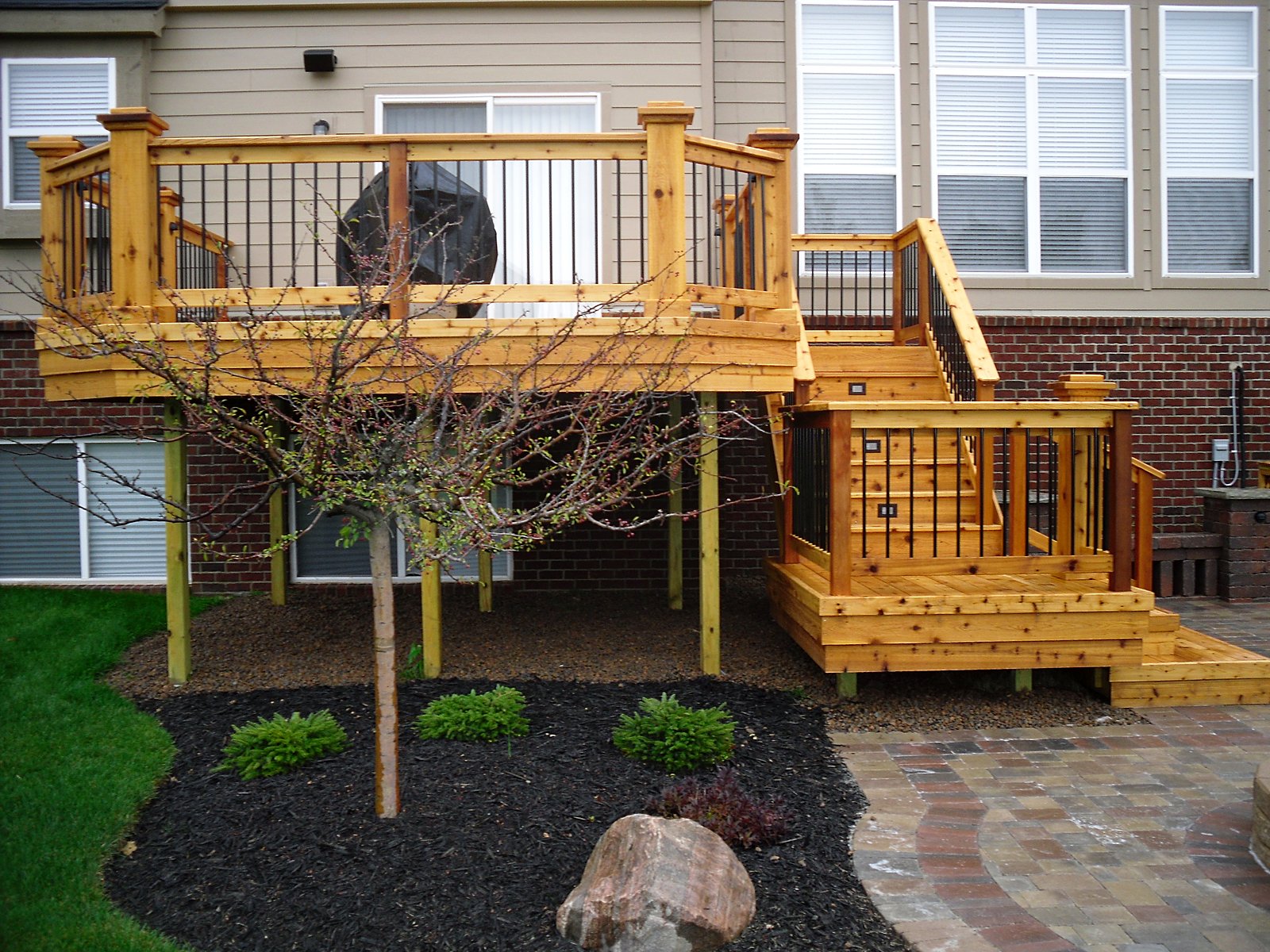
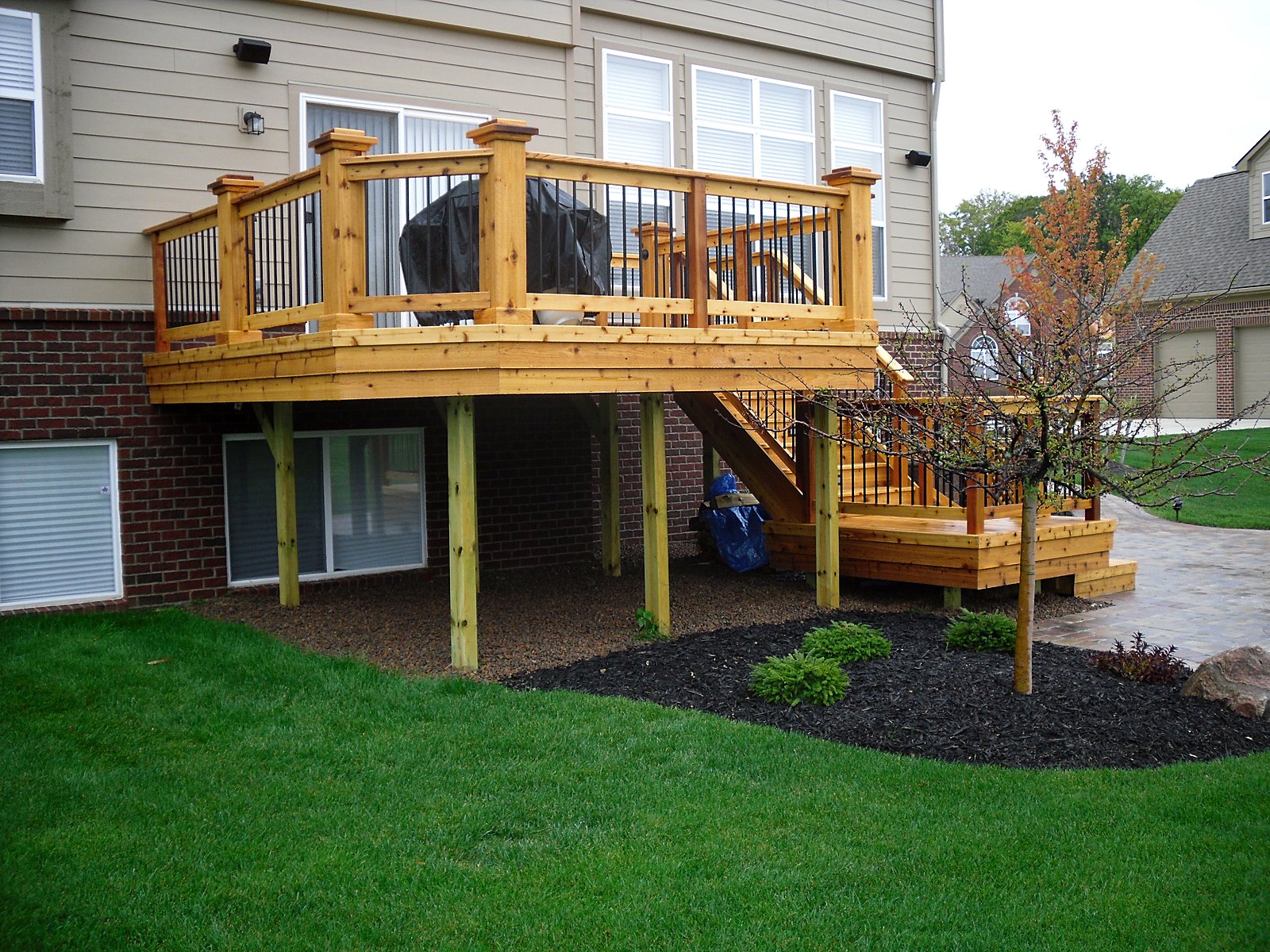
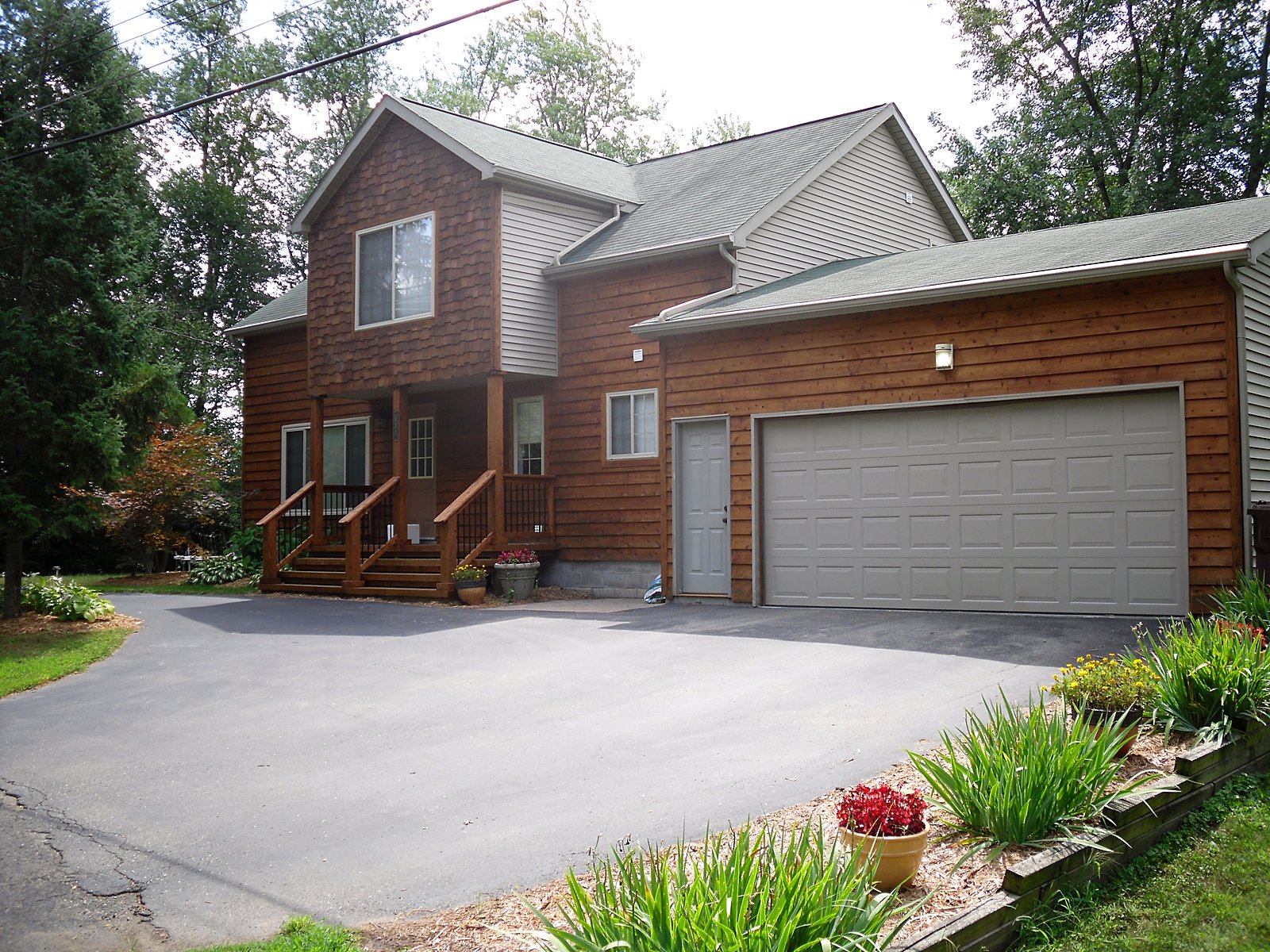
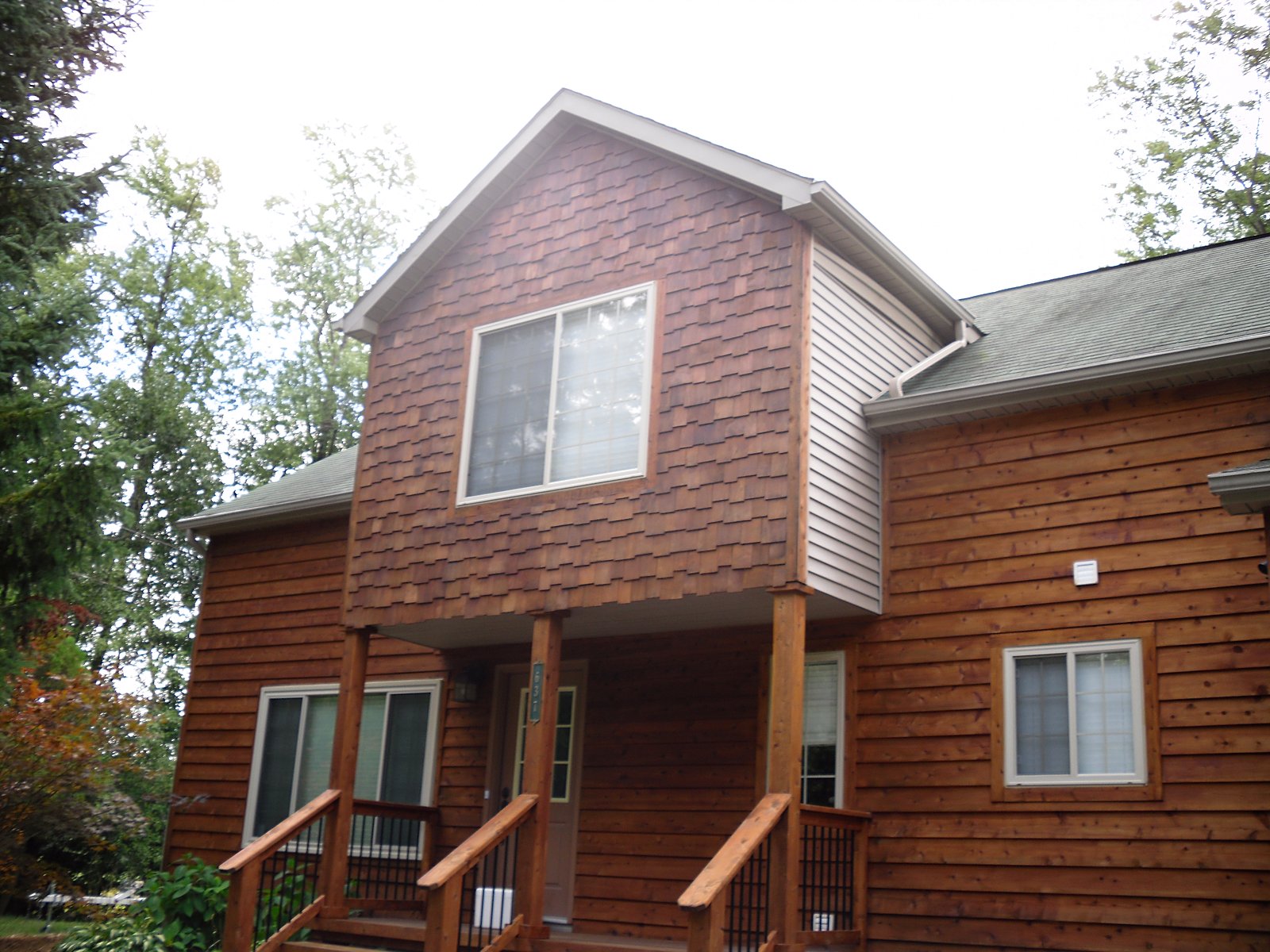
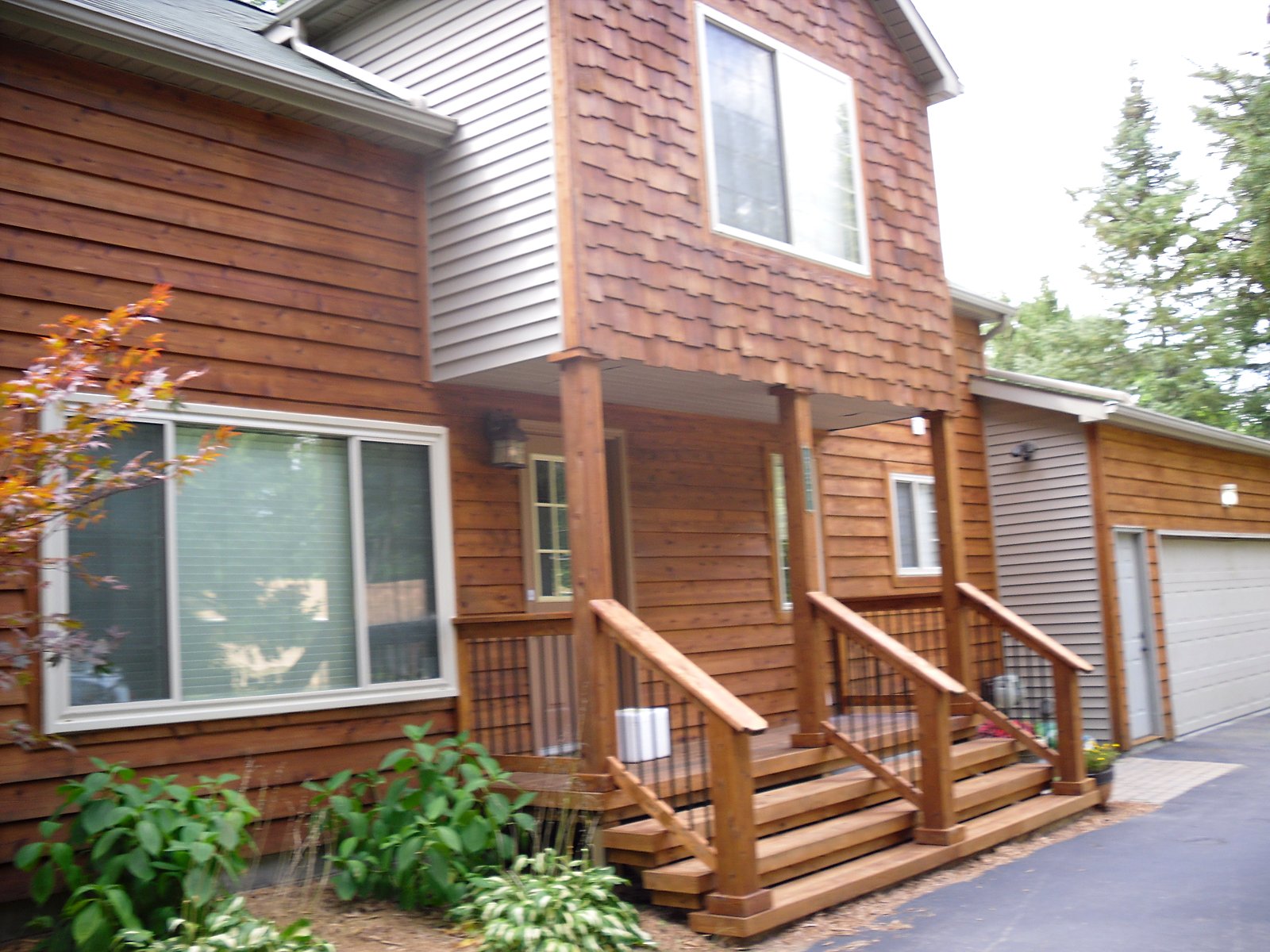
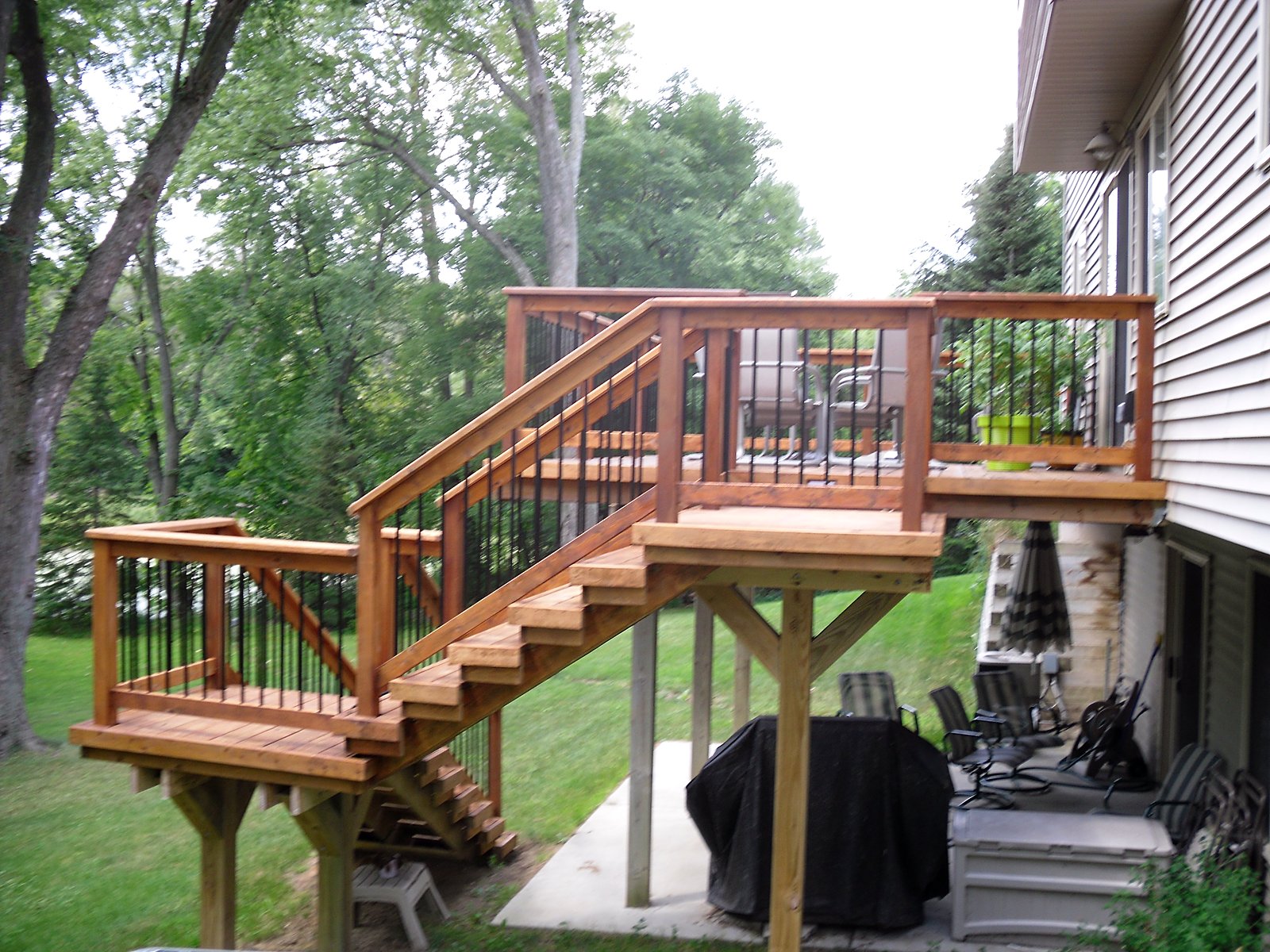
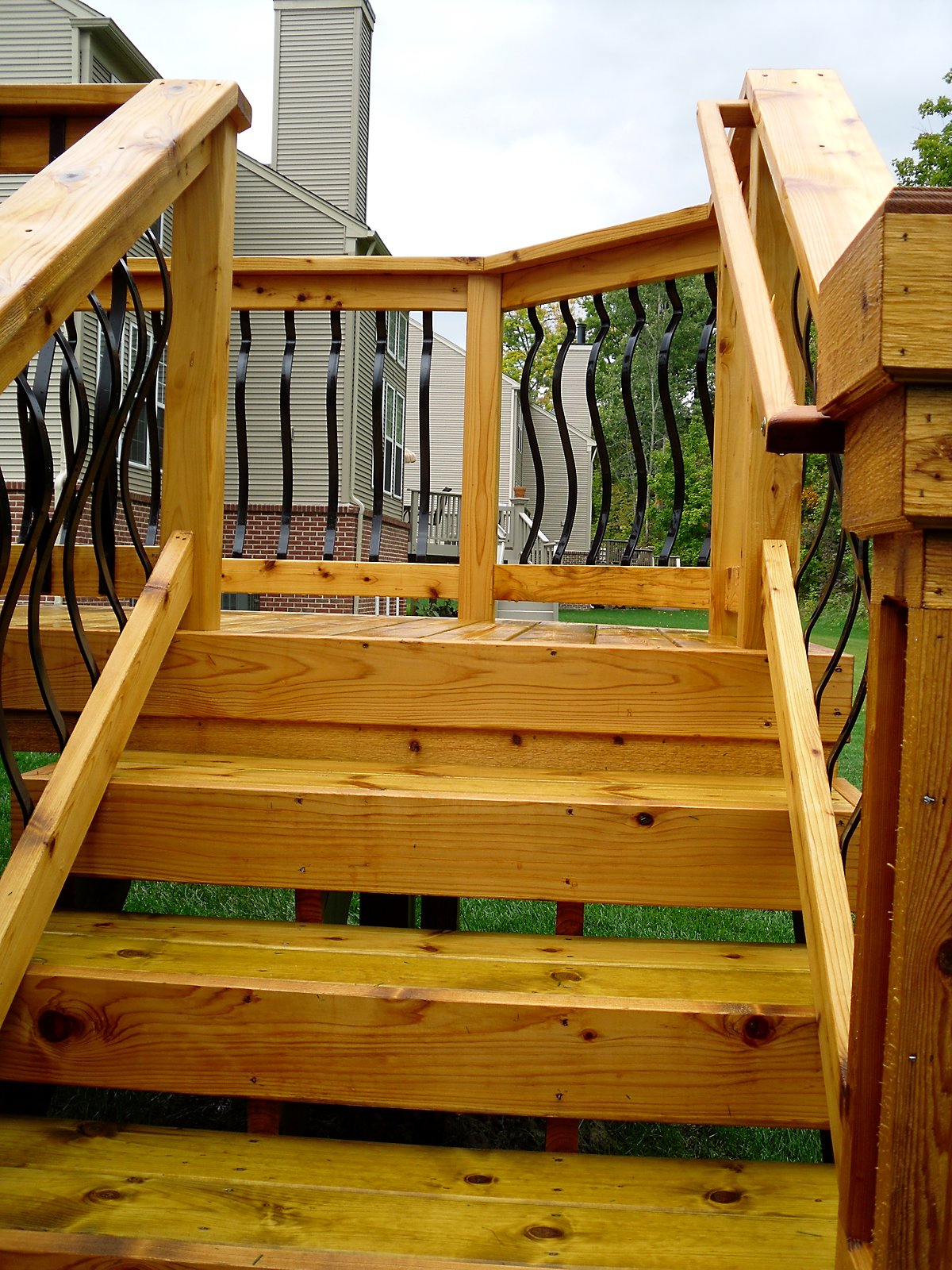
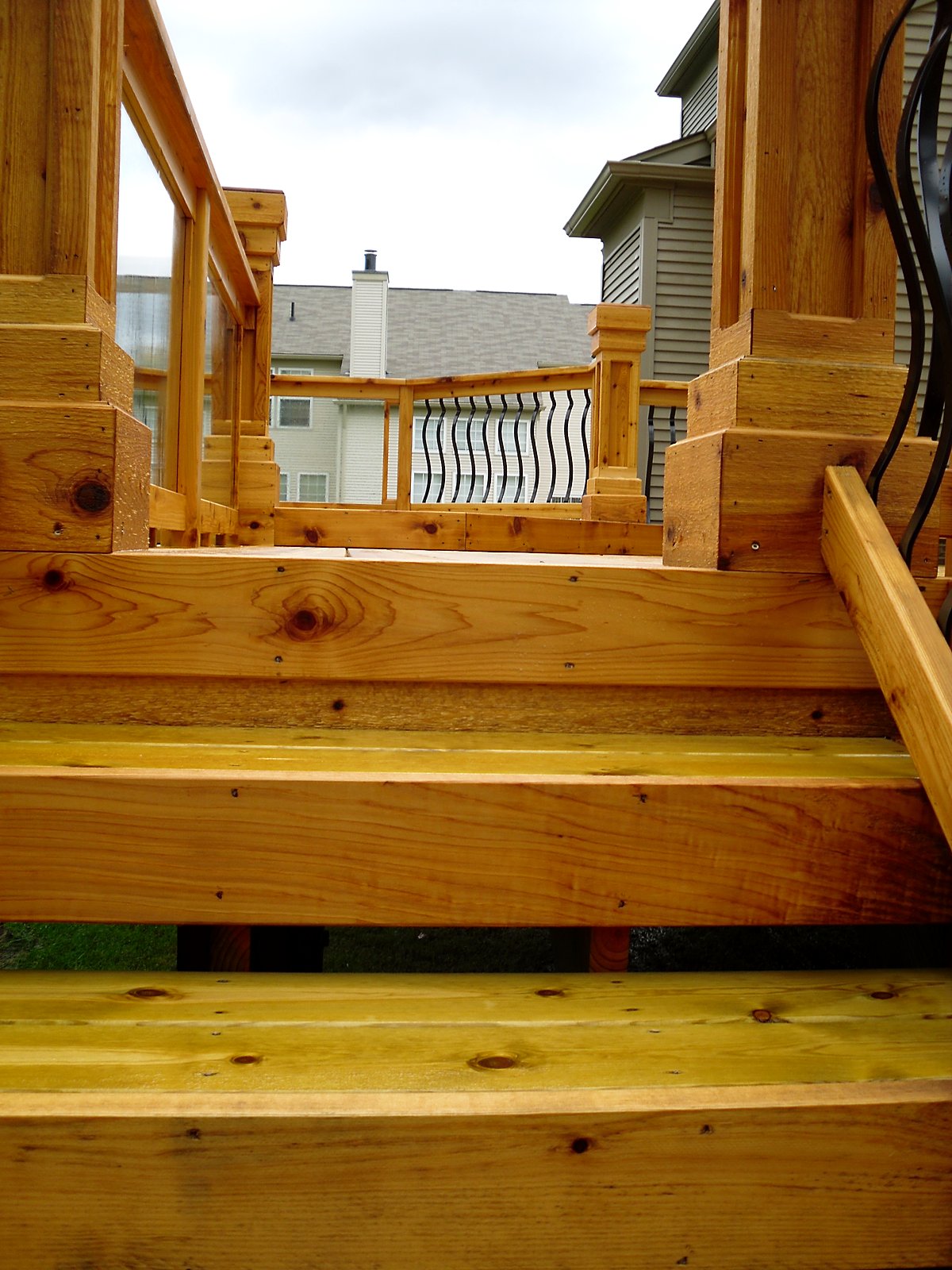
Hand-Brushed Finishes Across Southeast Michigan
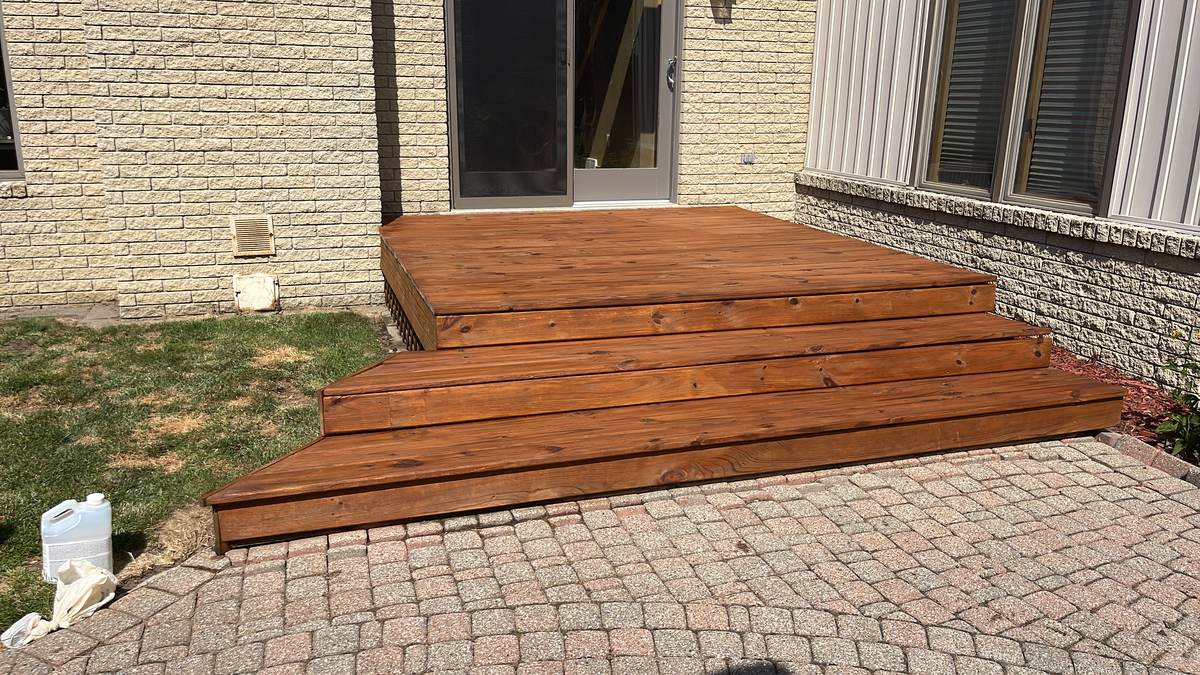
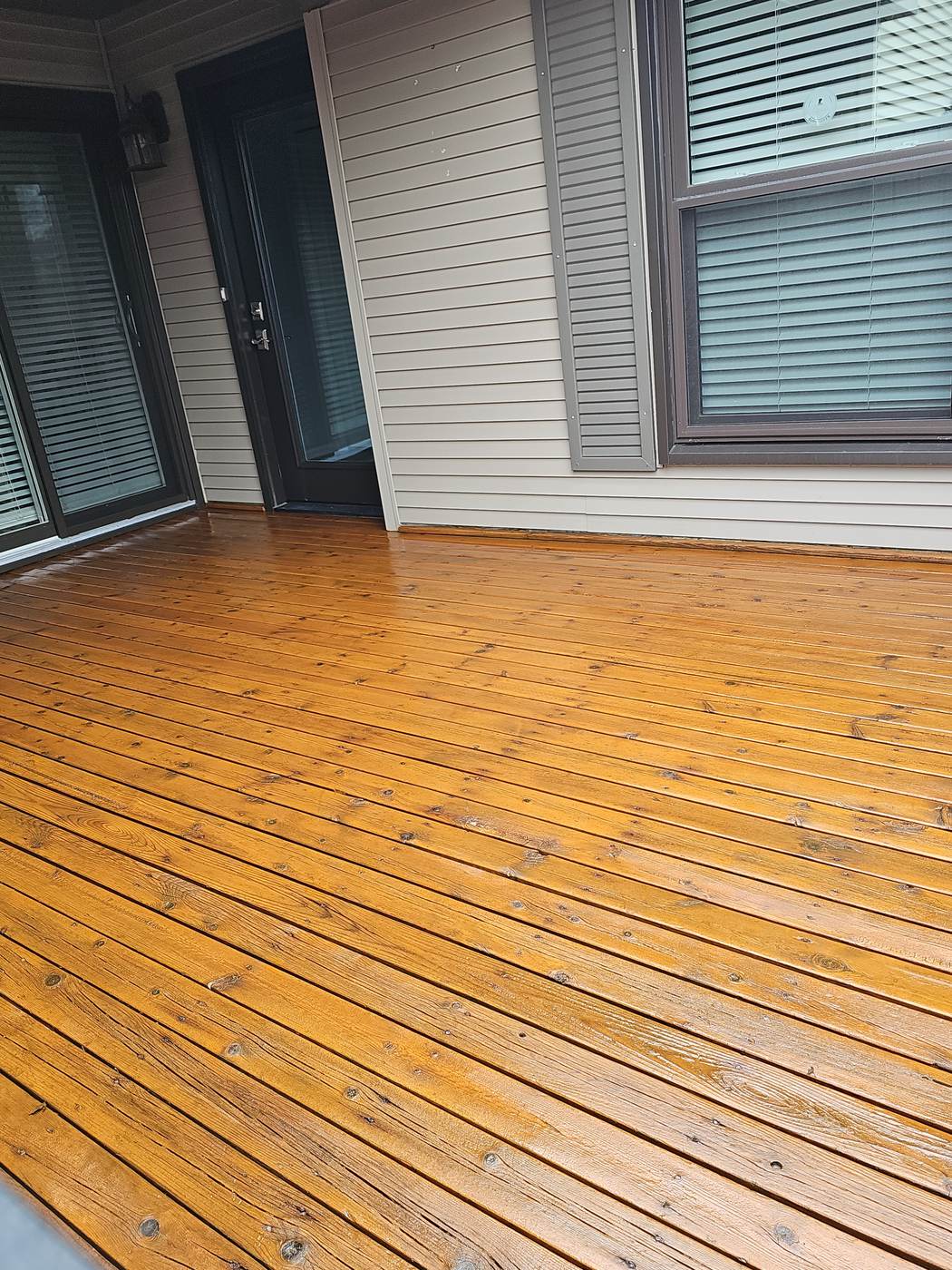
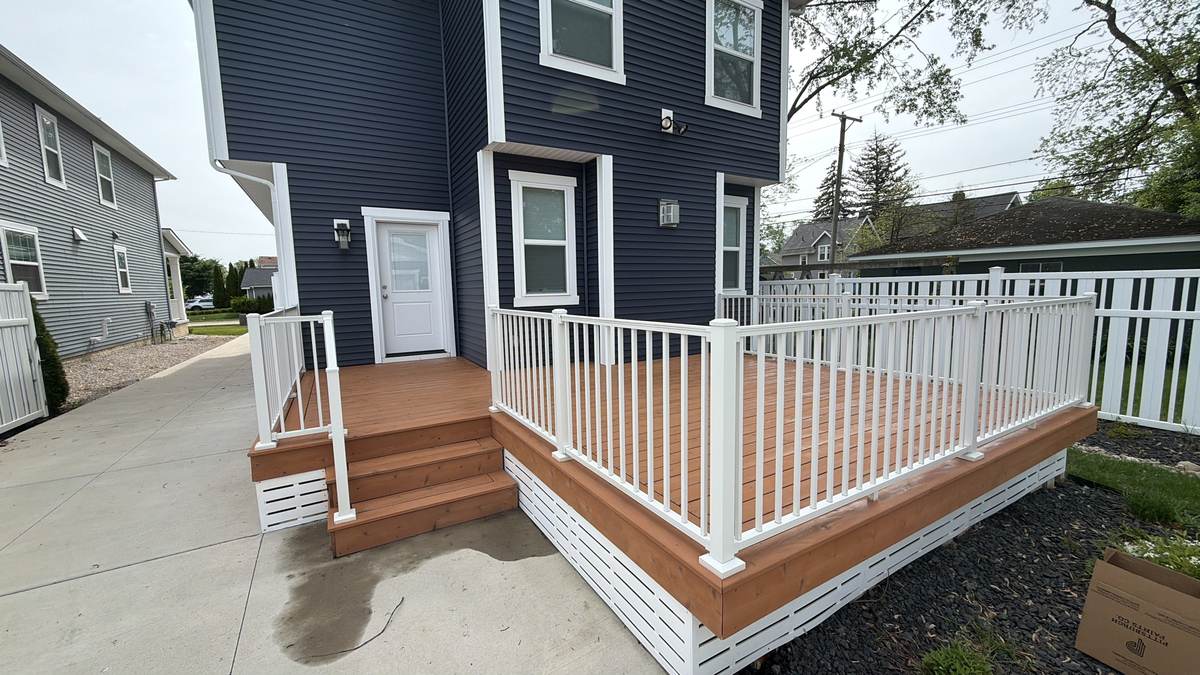
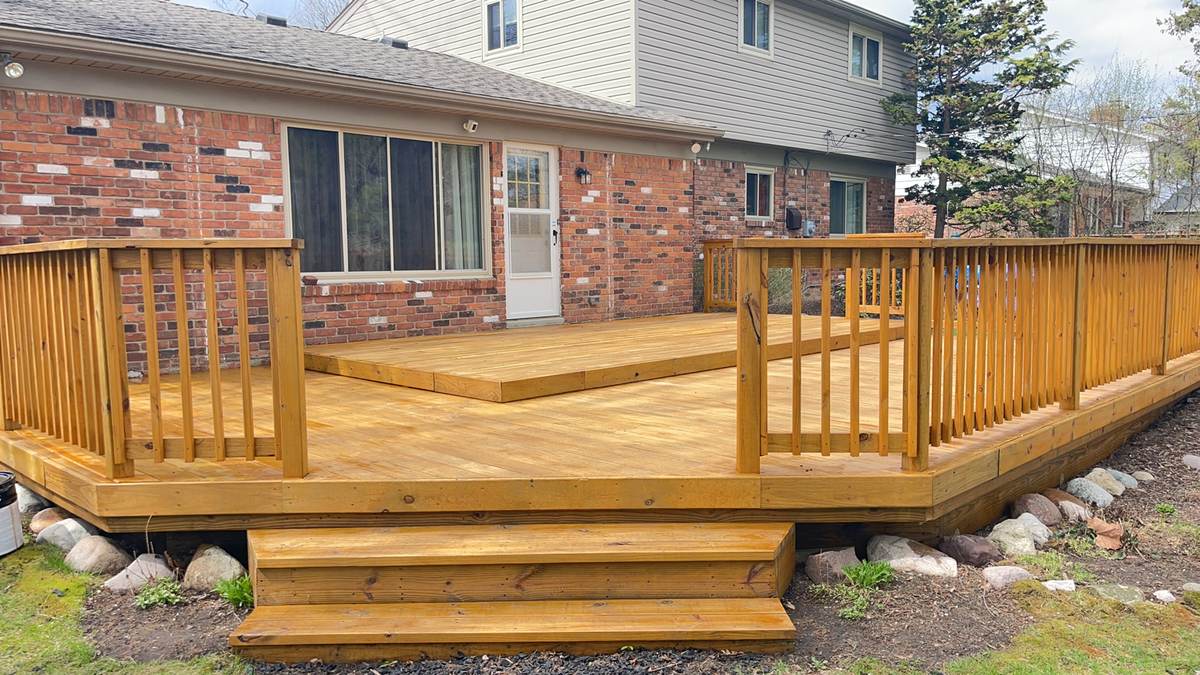
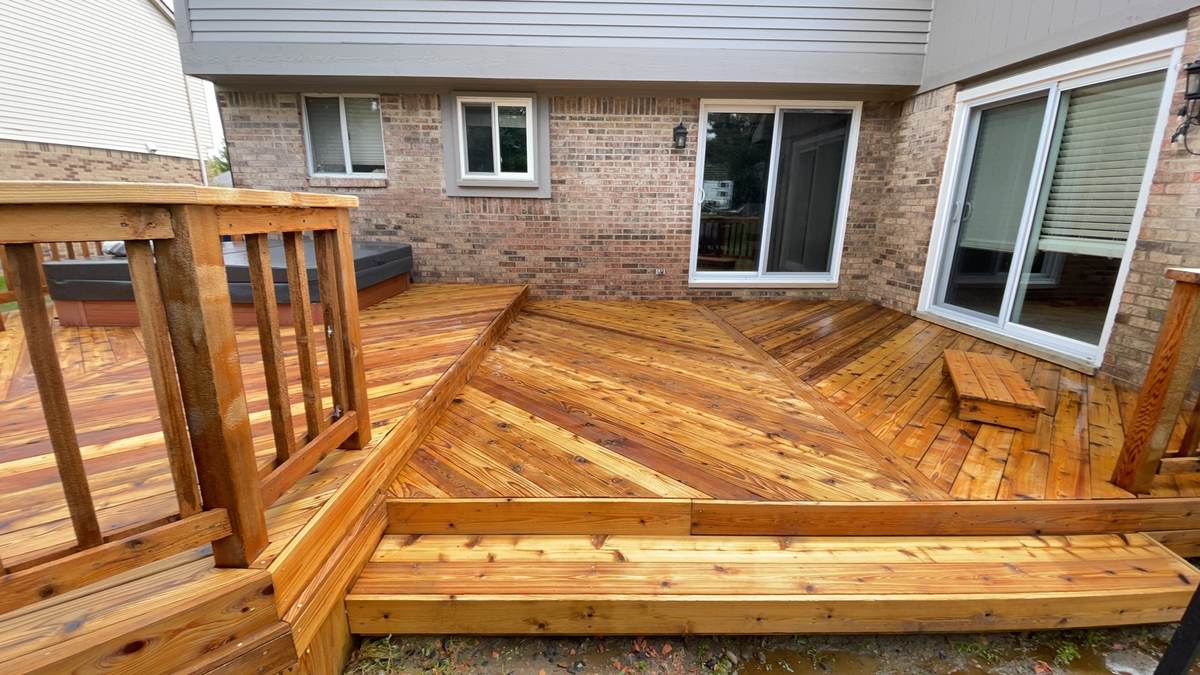
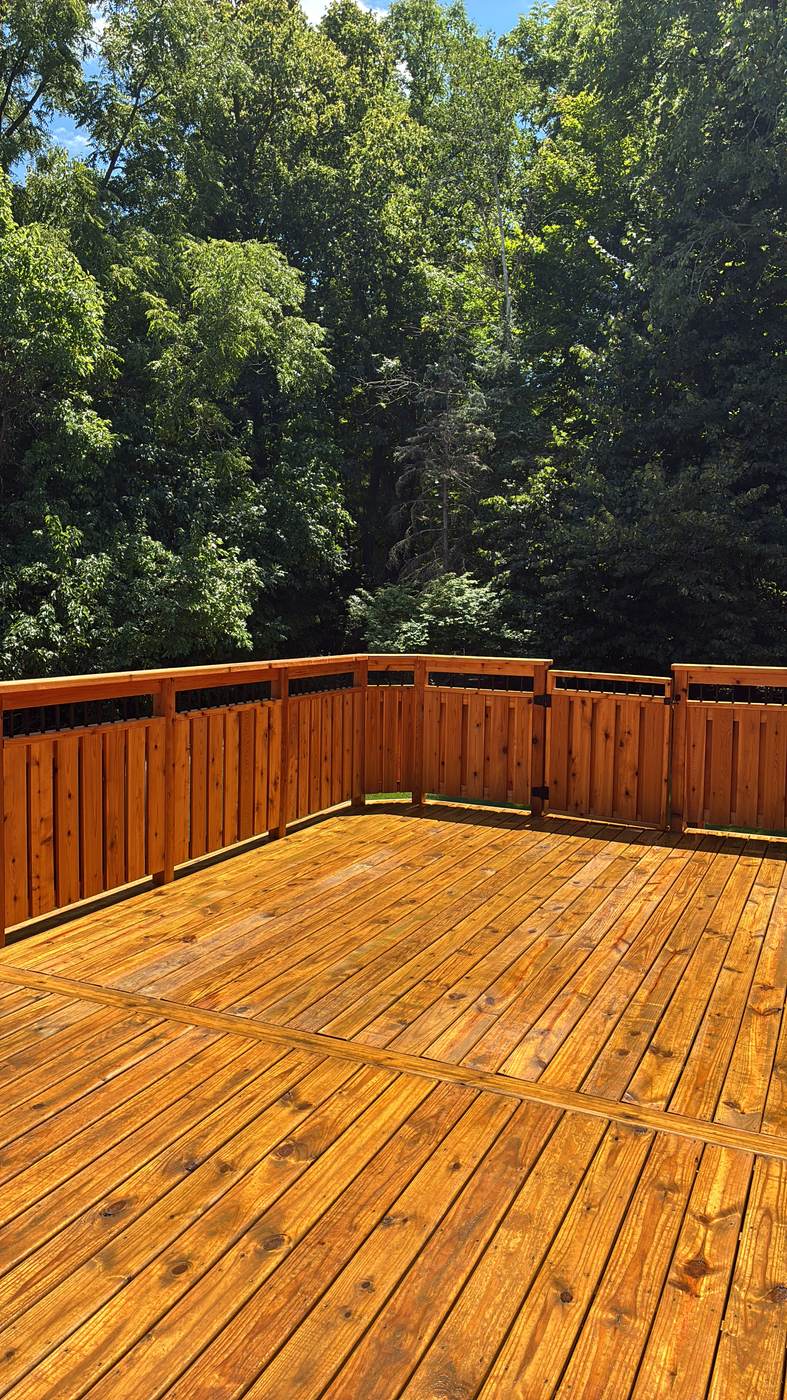
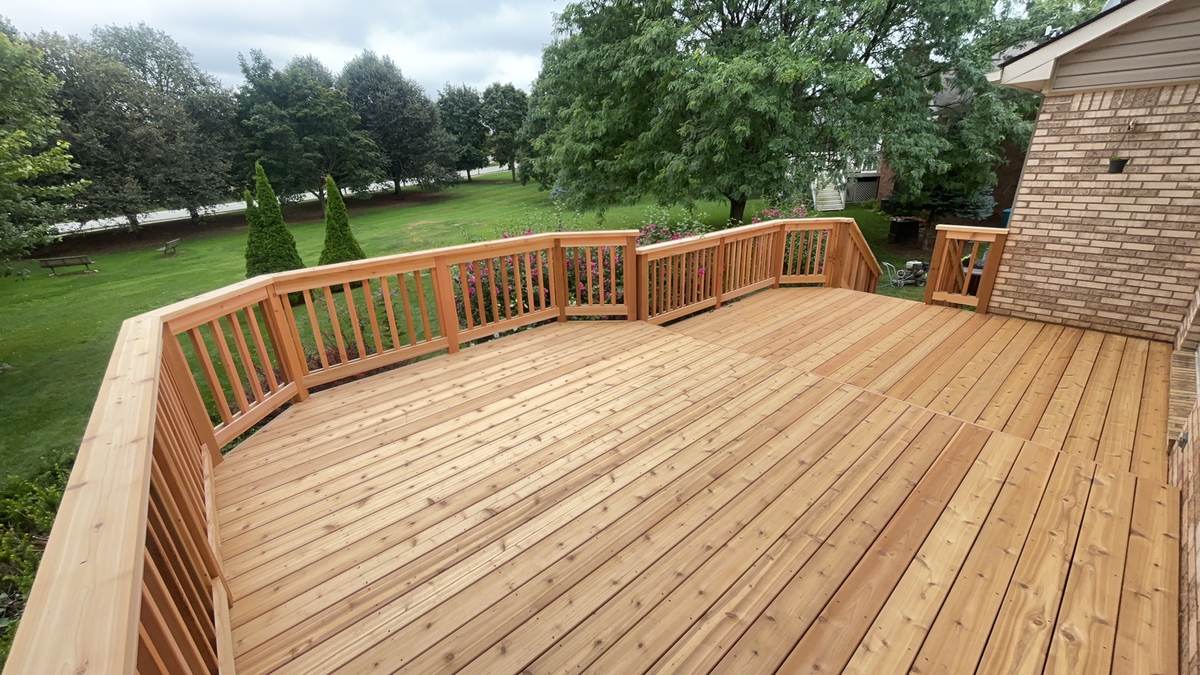
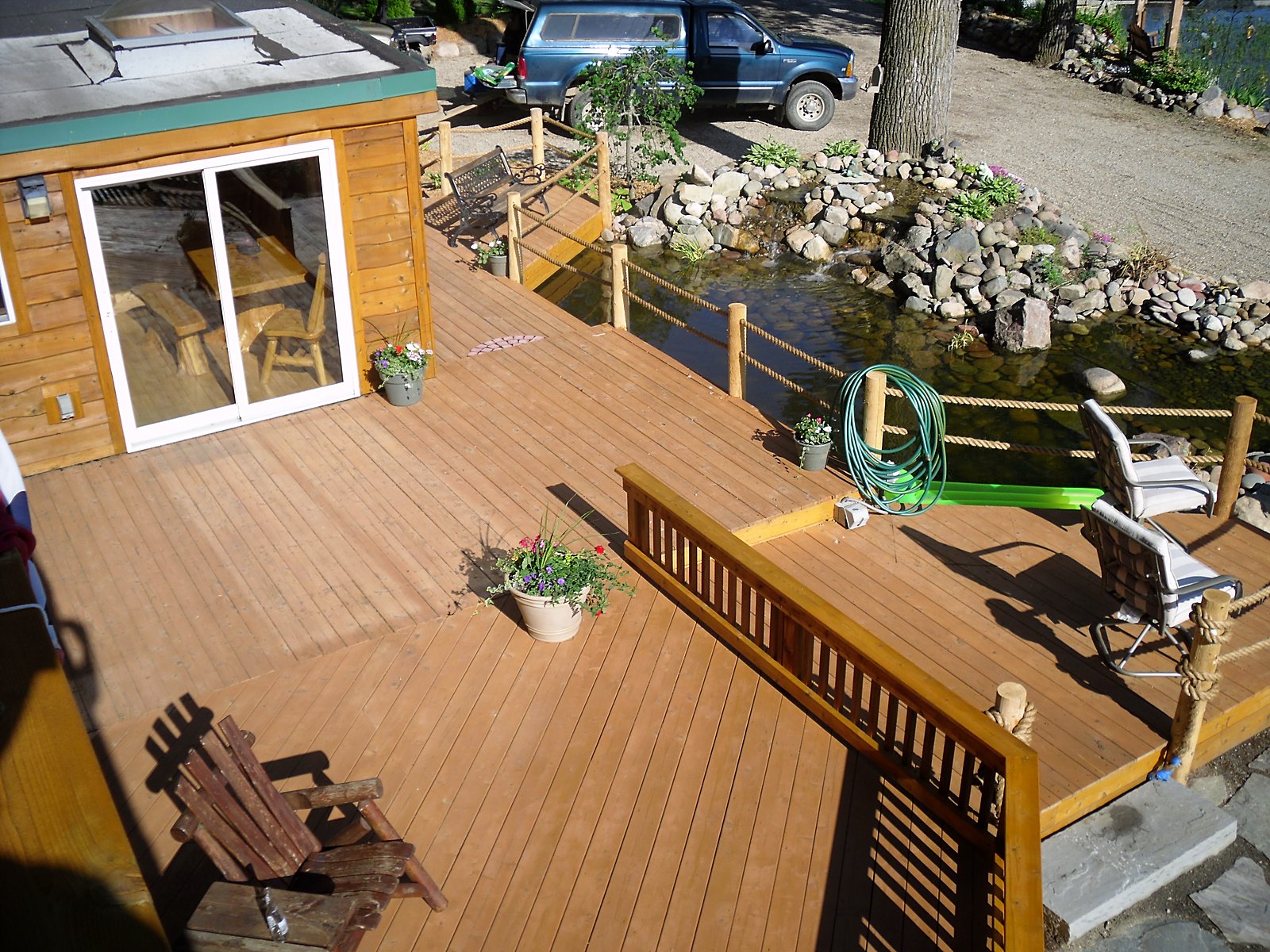
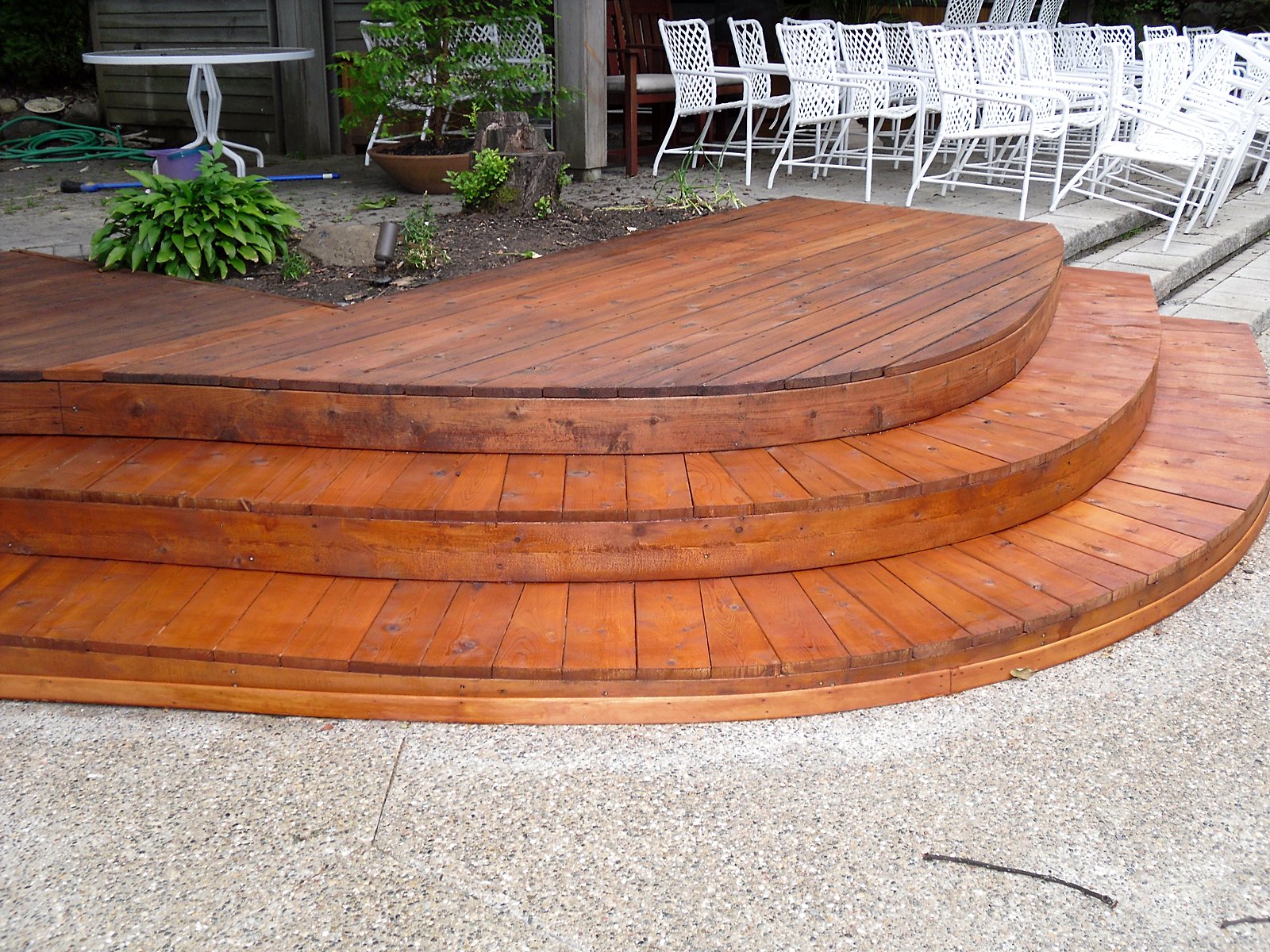
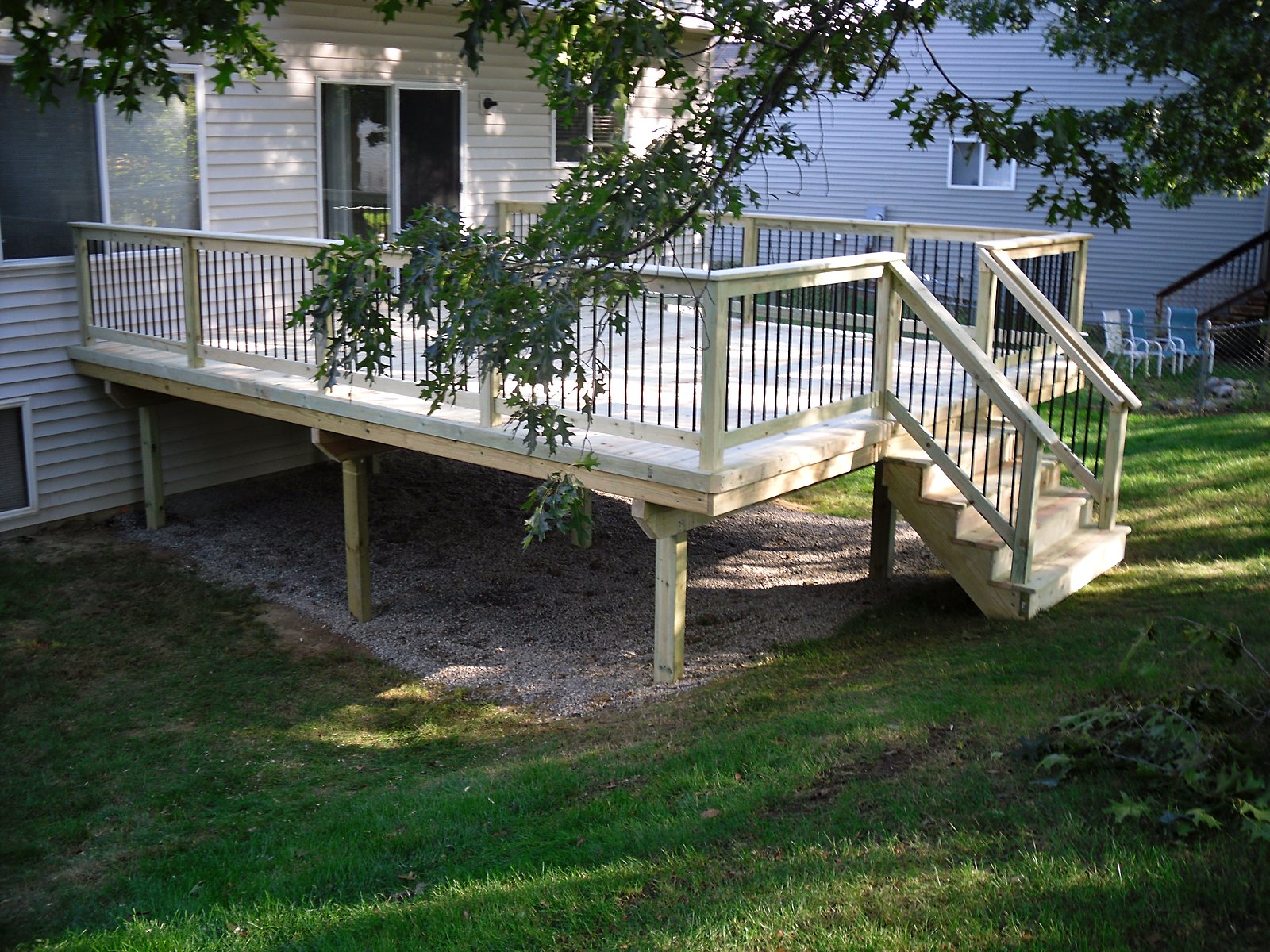
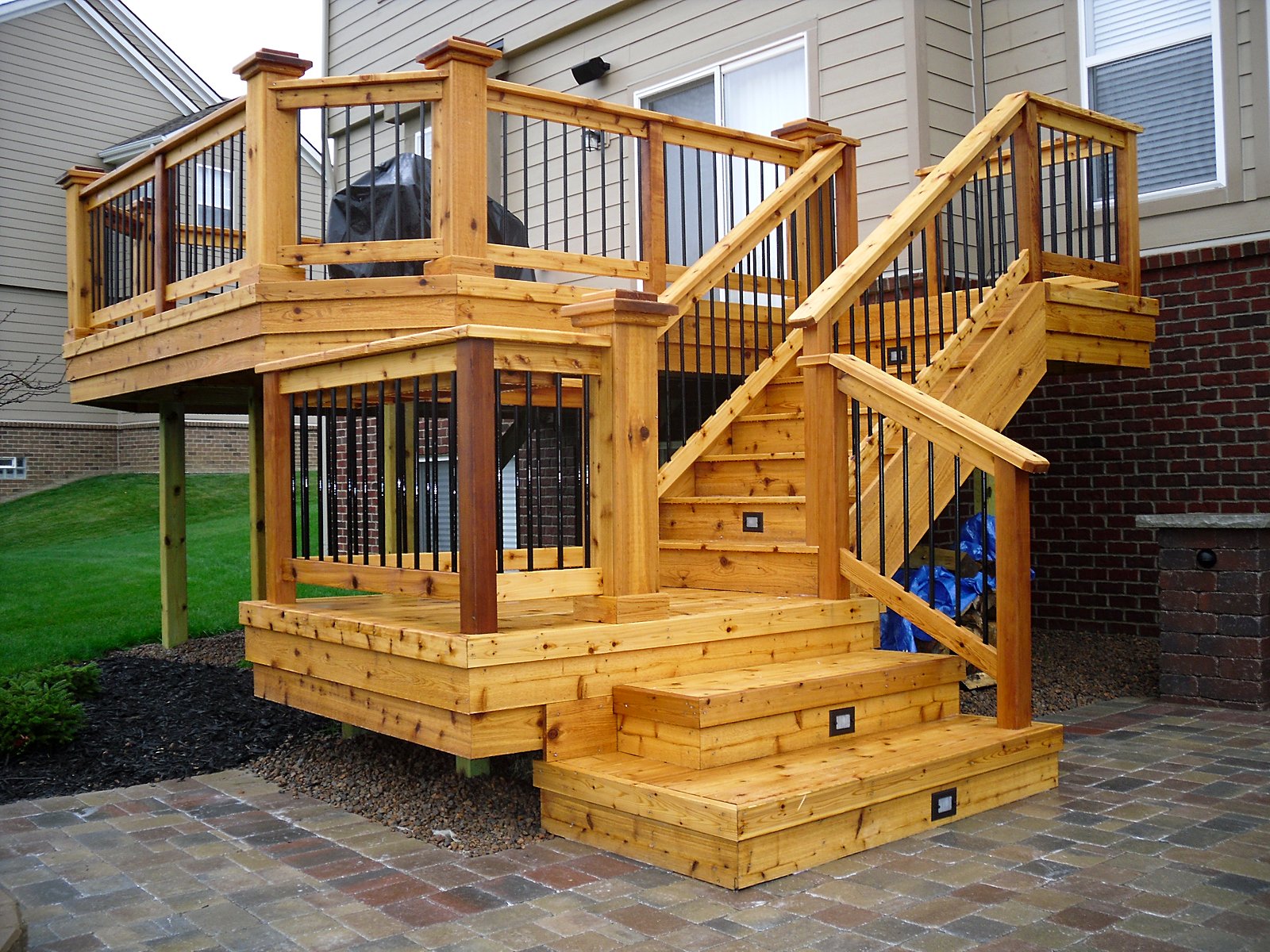
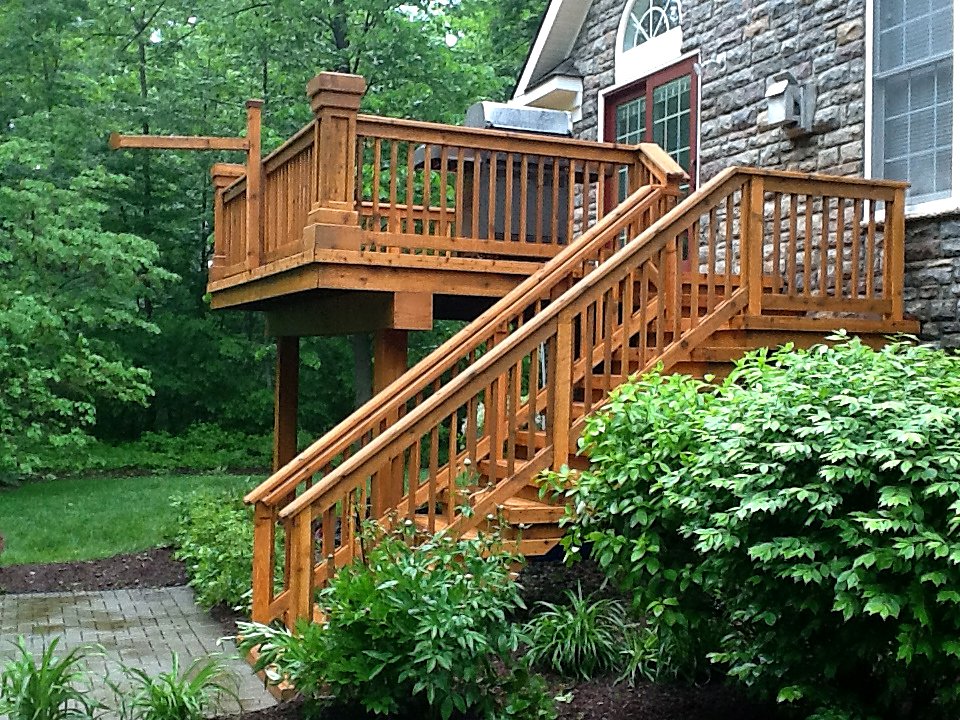
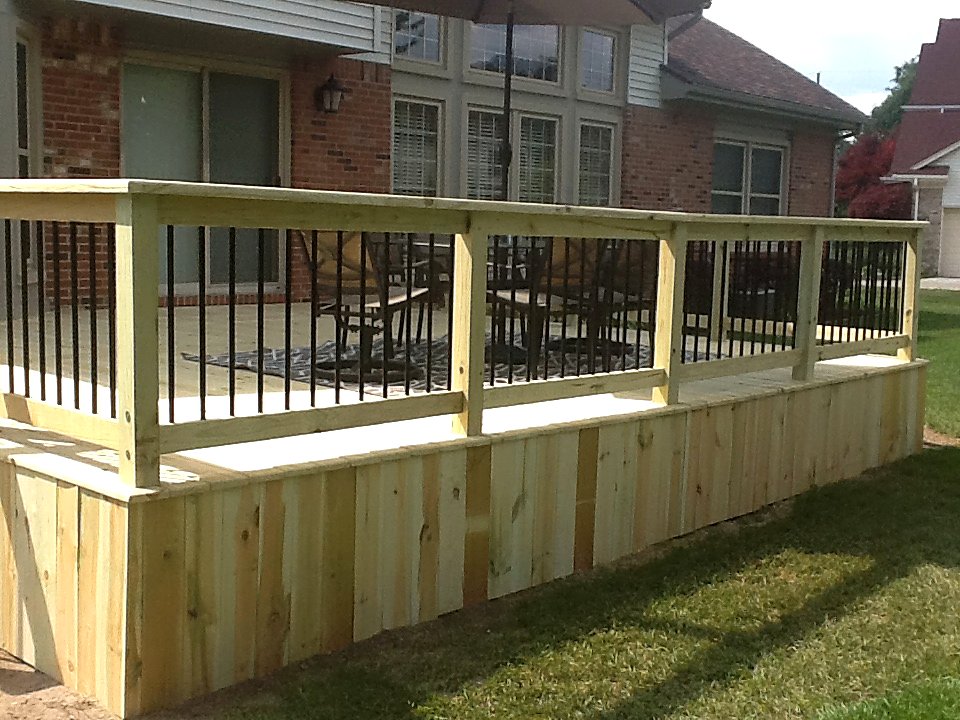
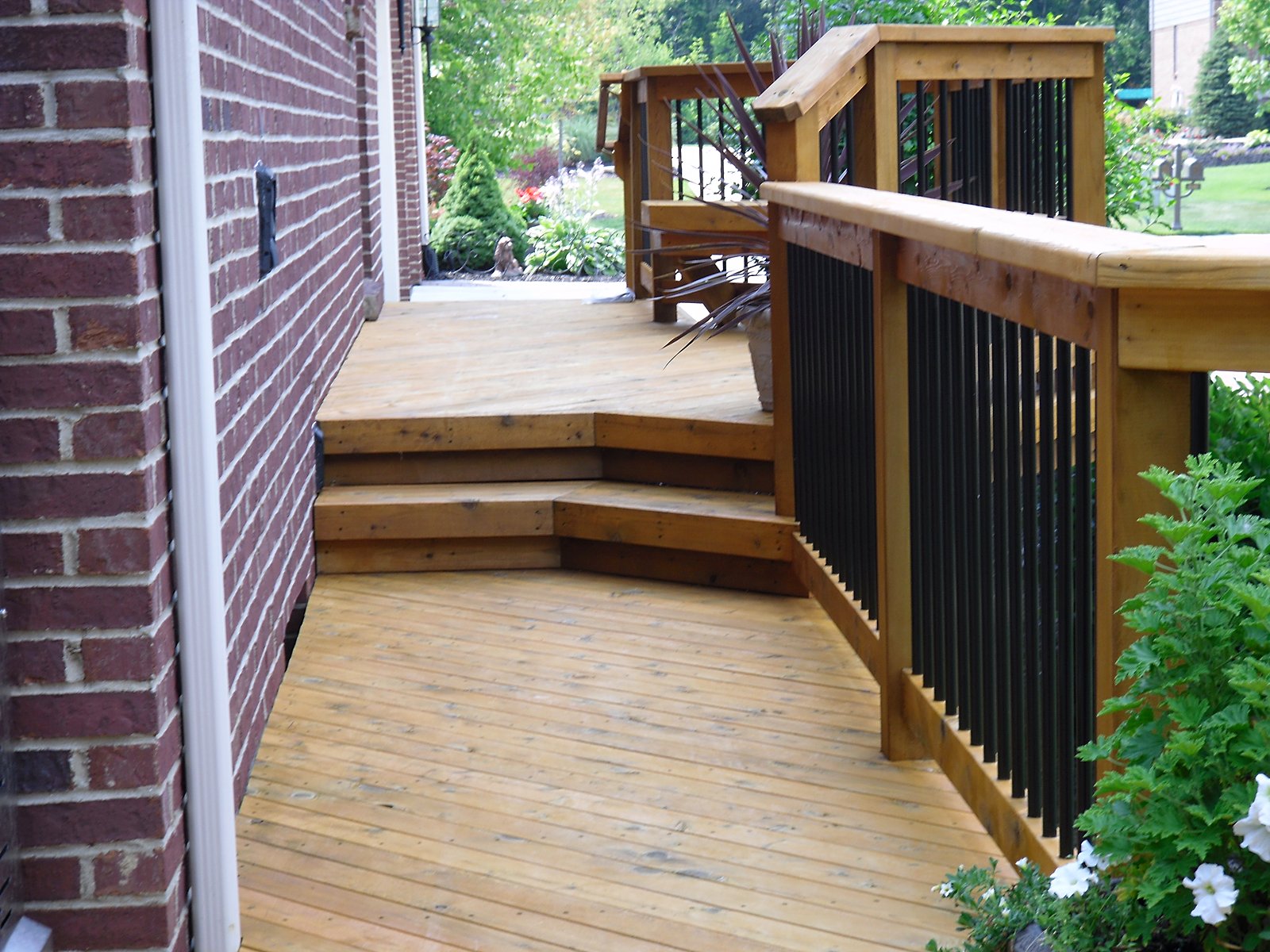
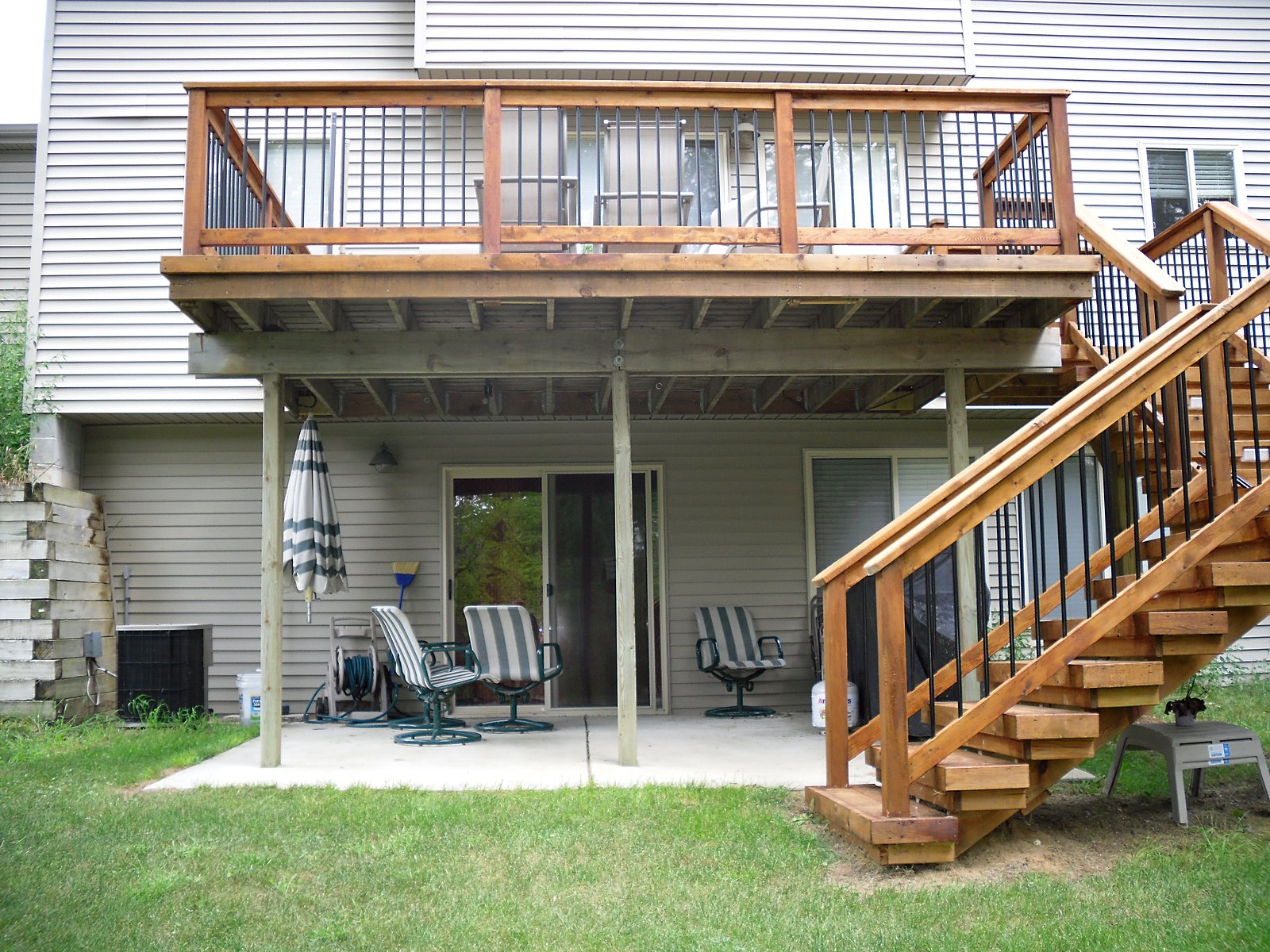
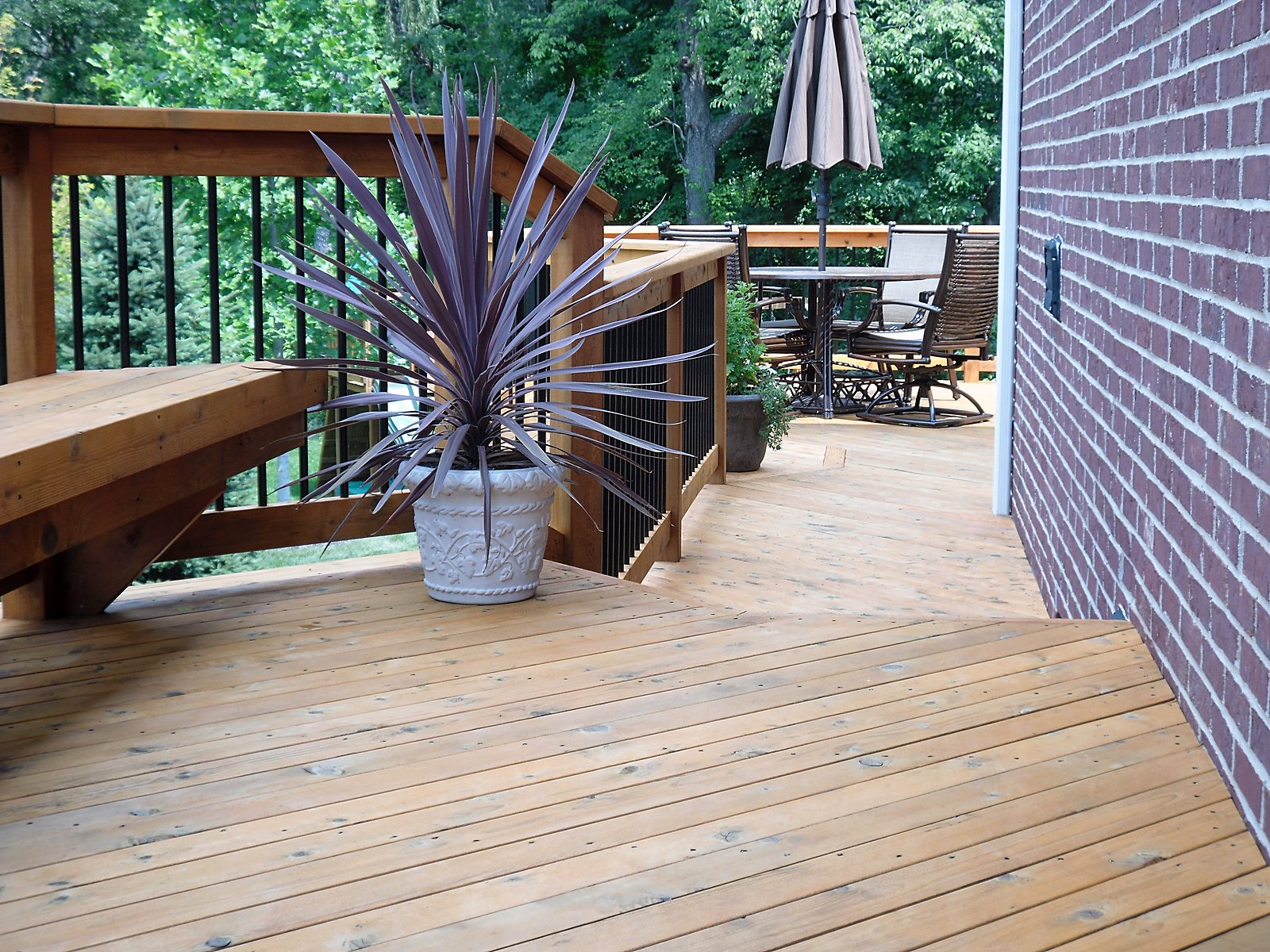
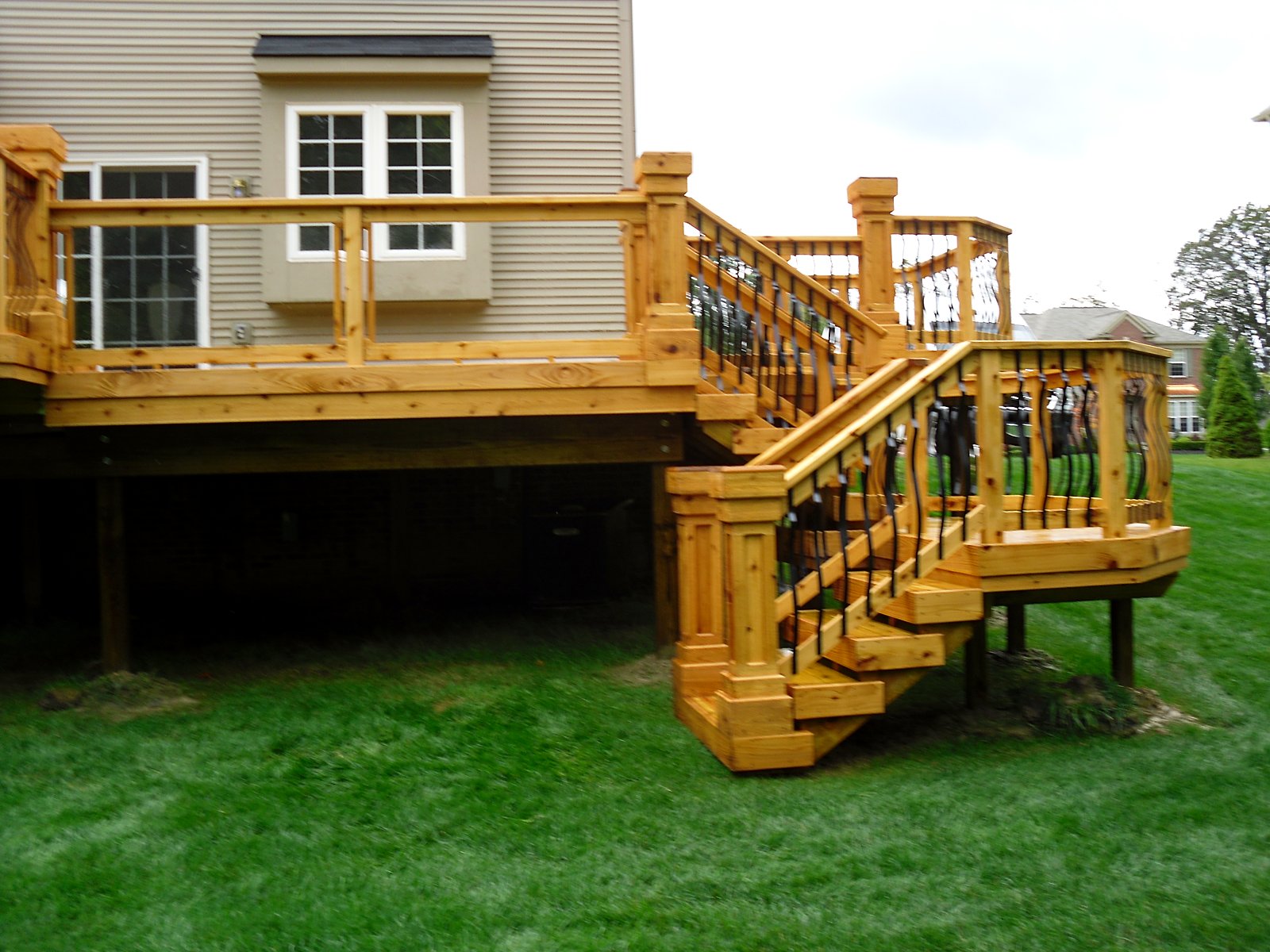
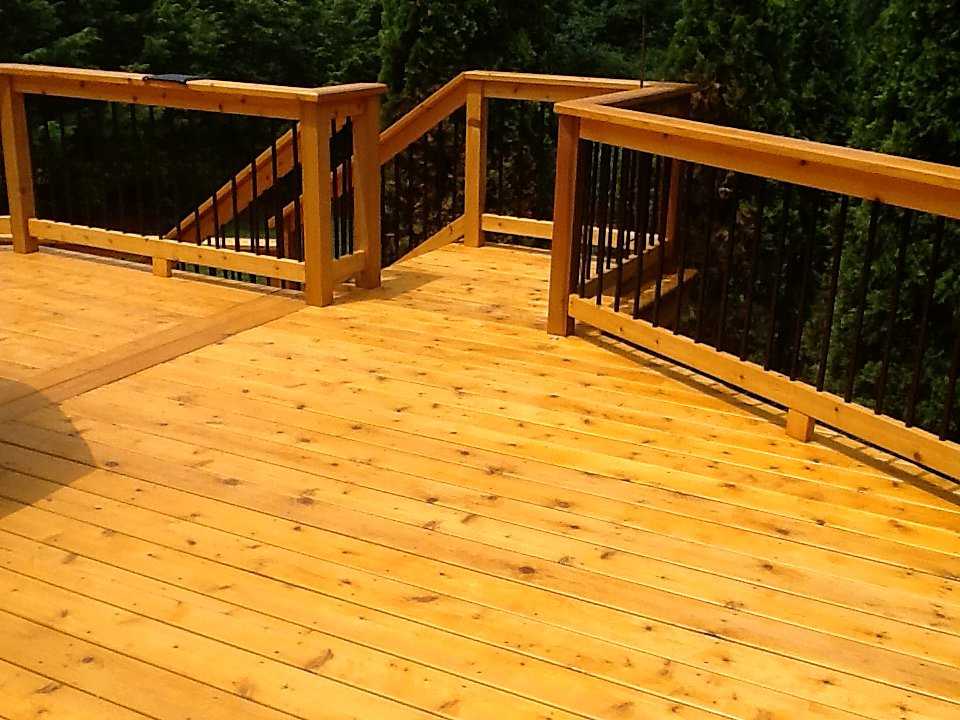
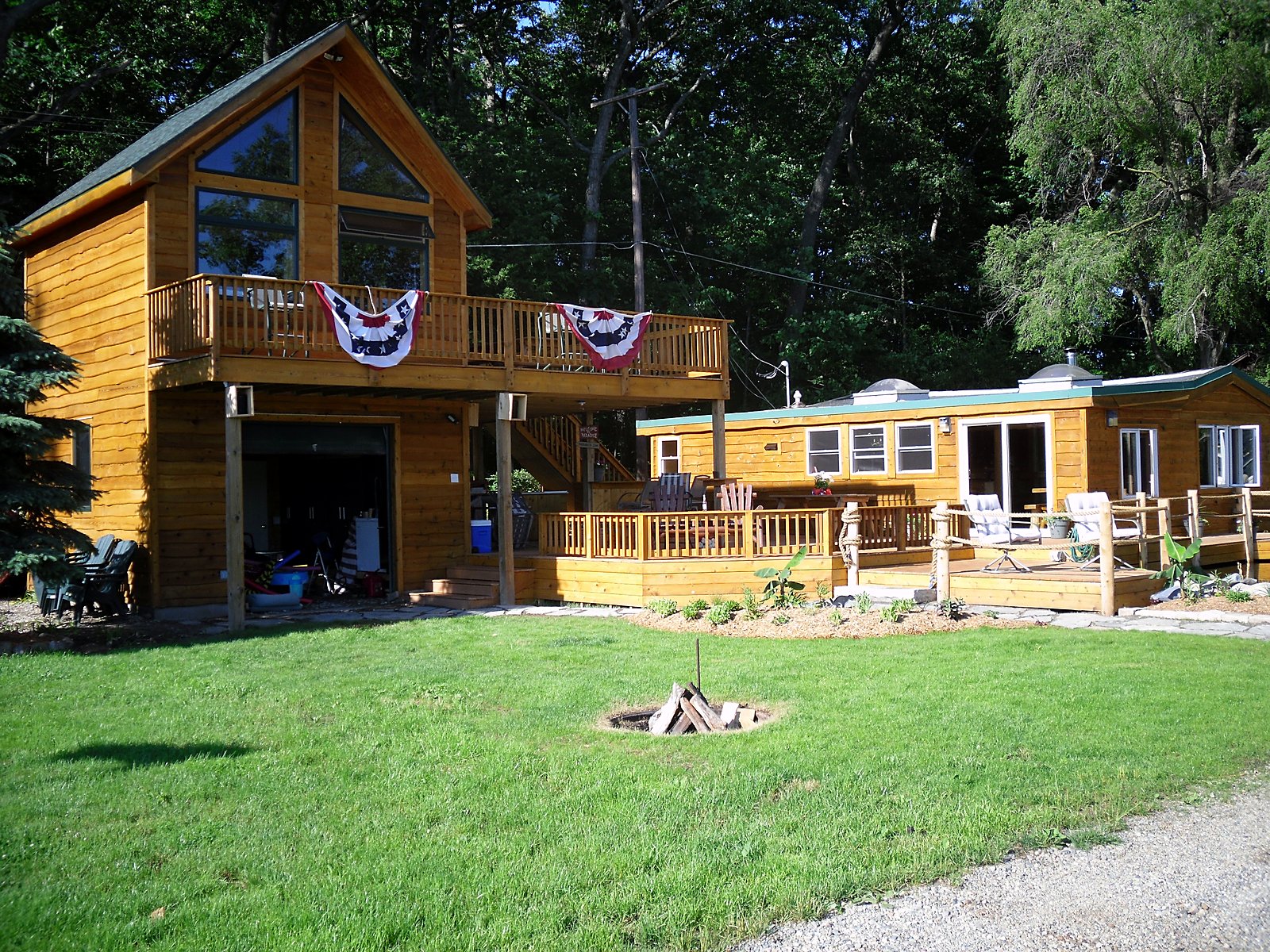
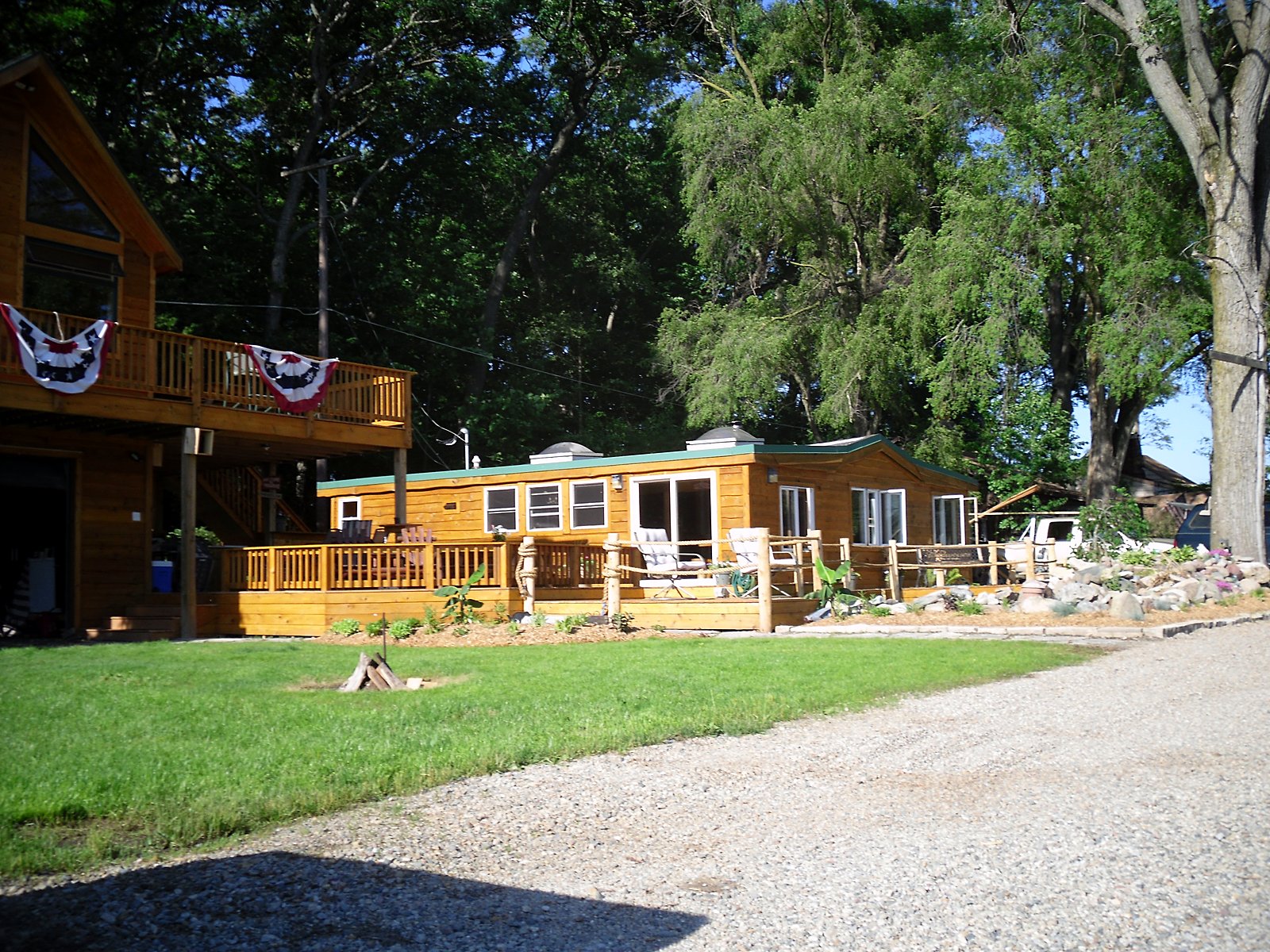
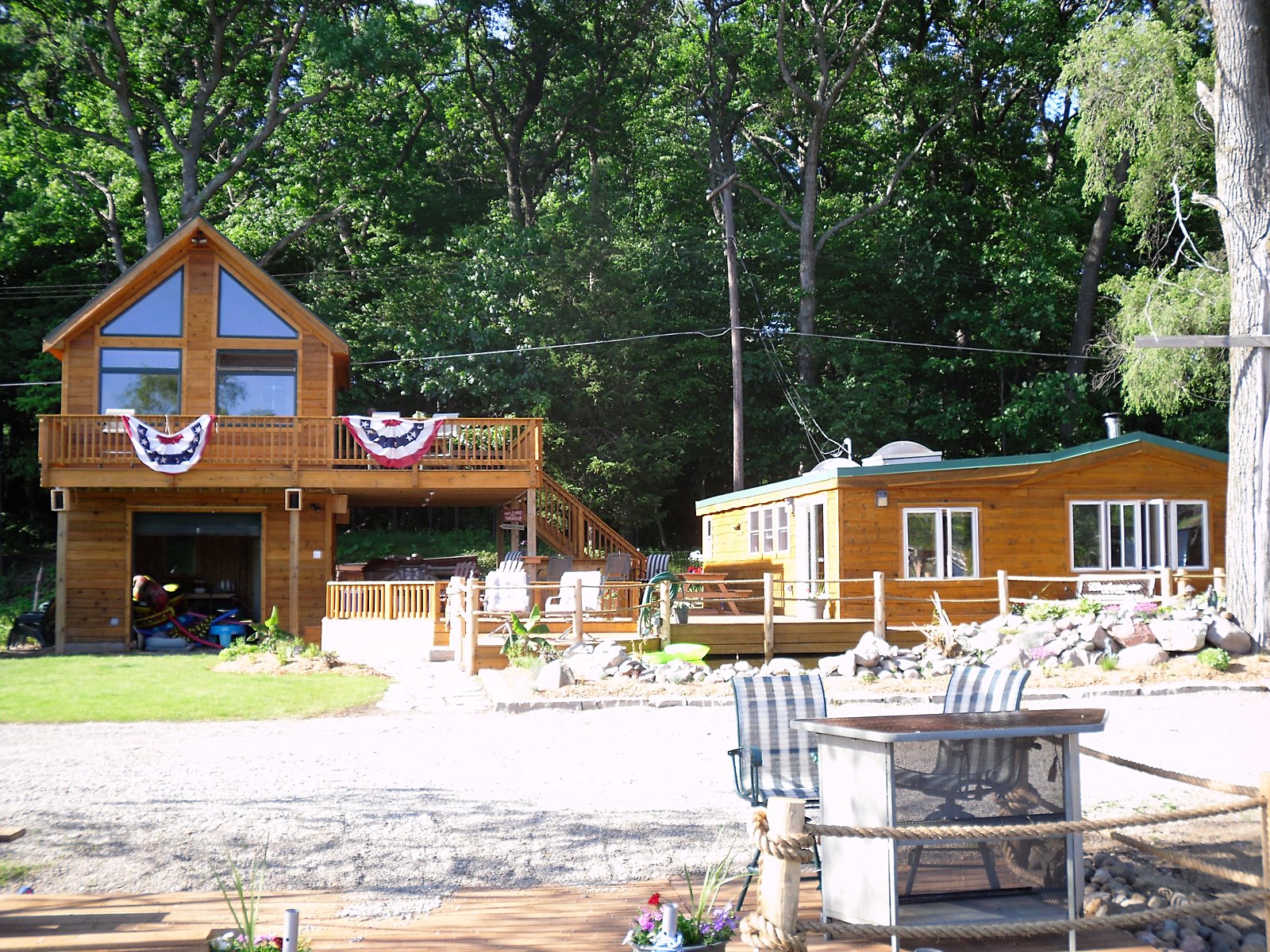
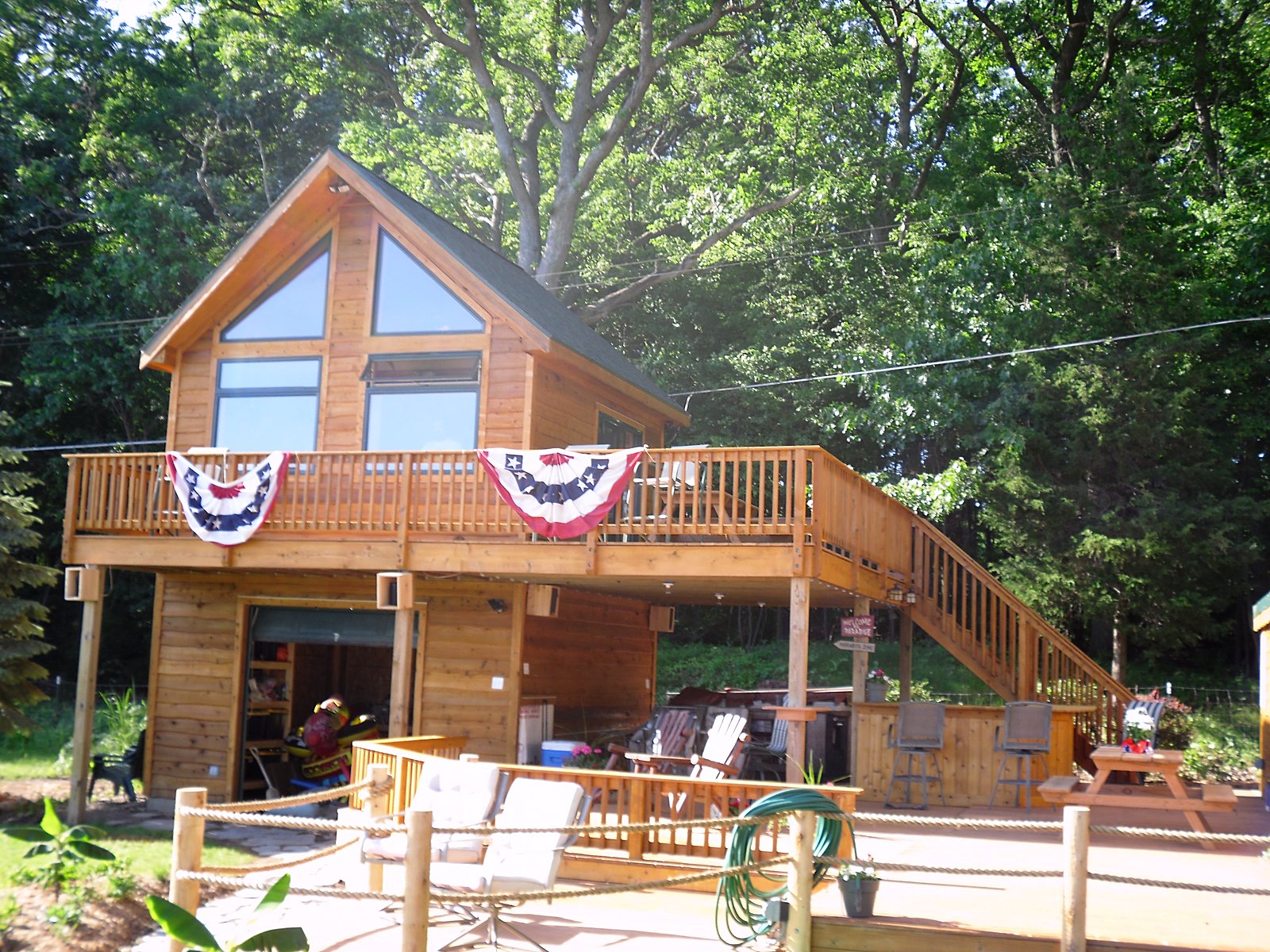
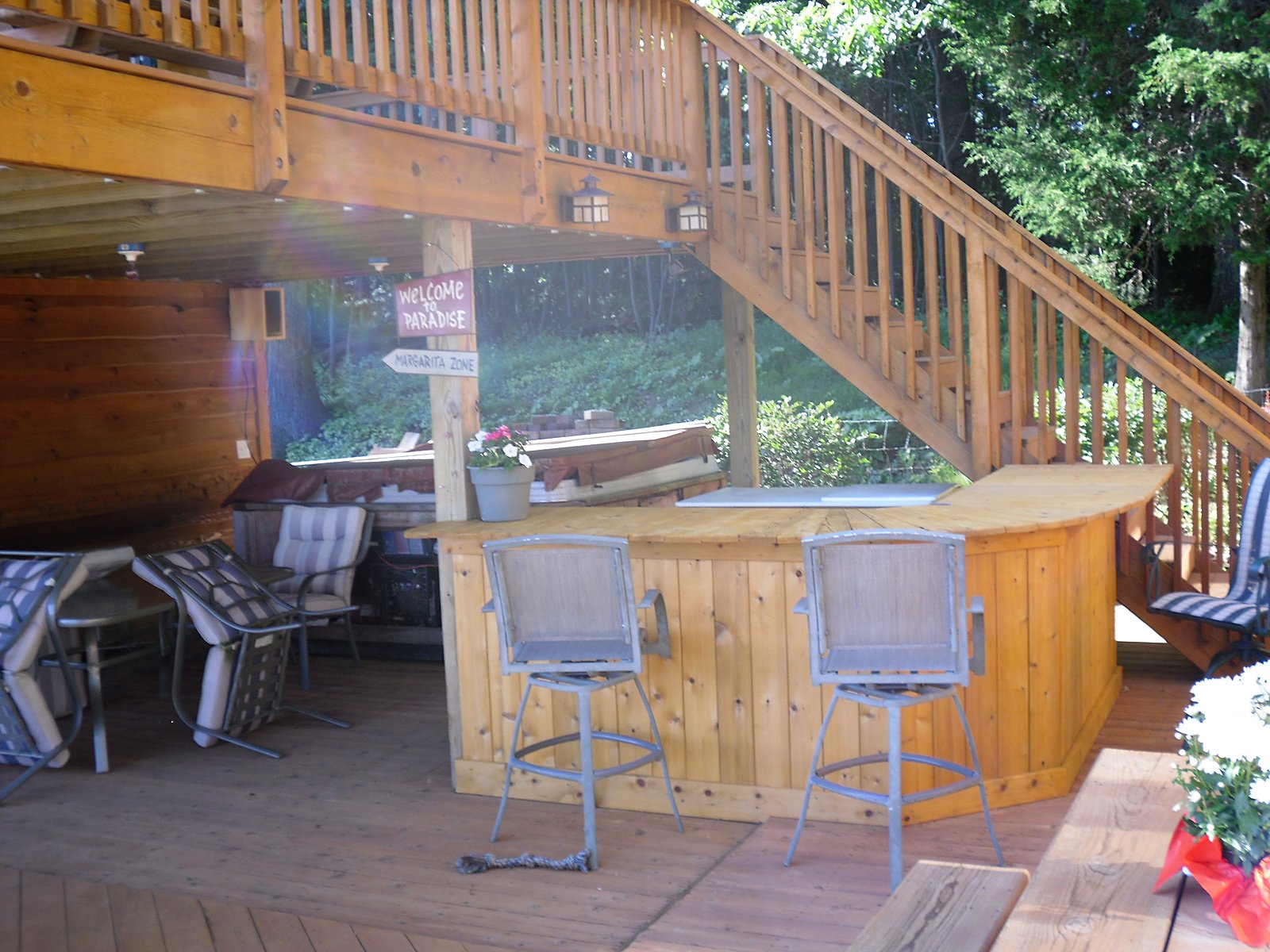
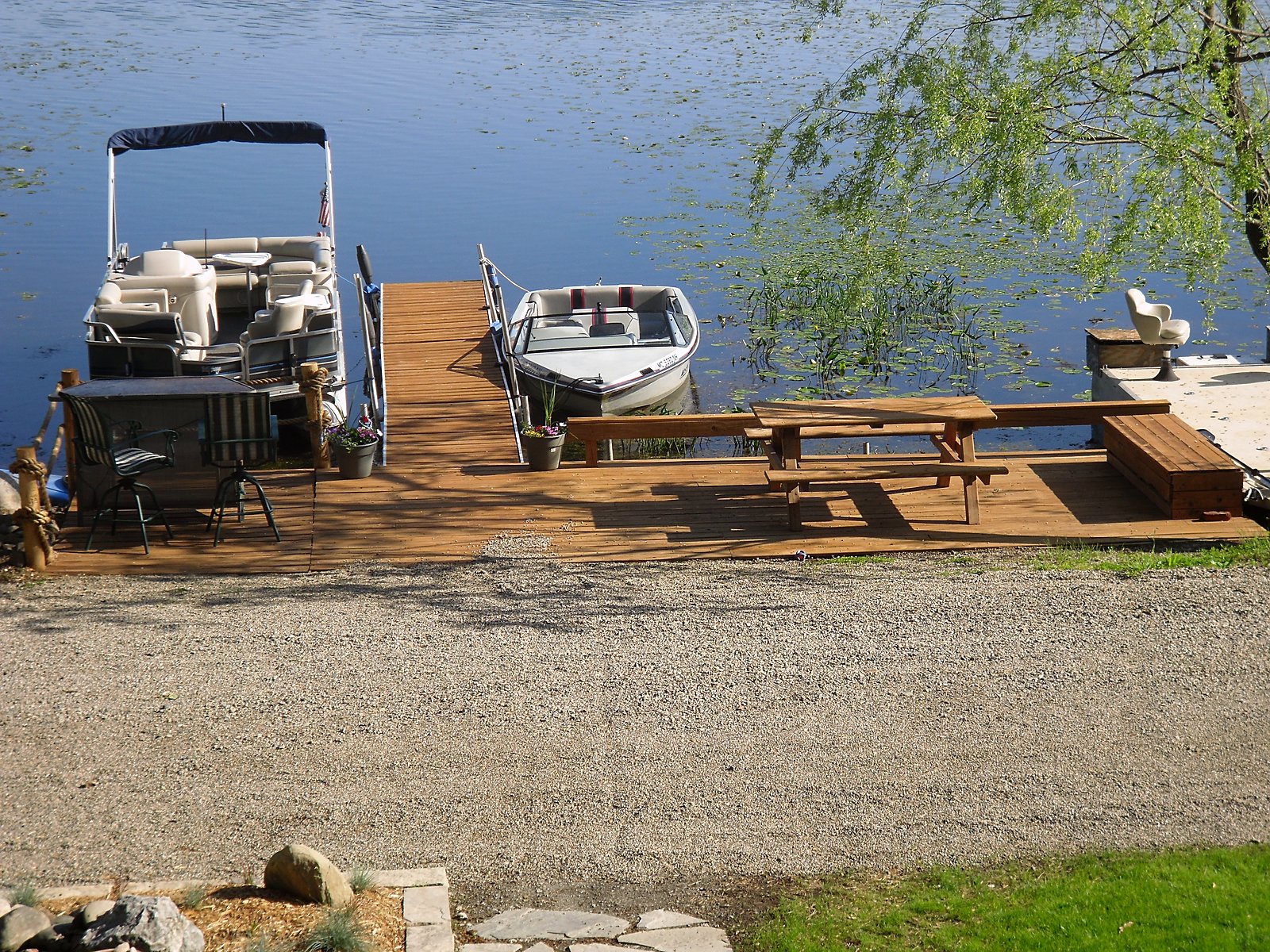
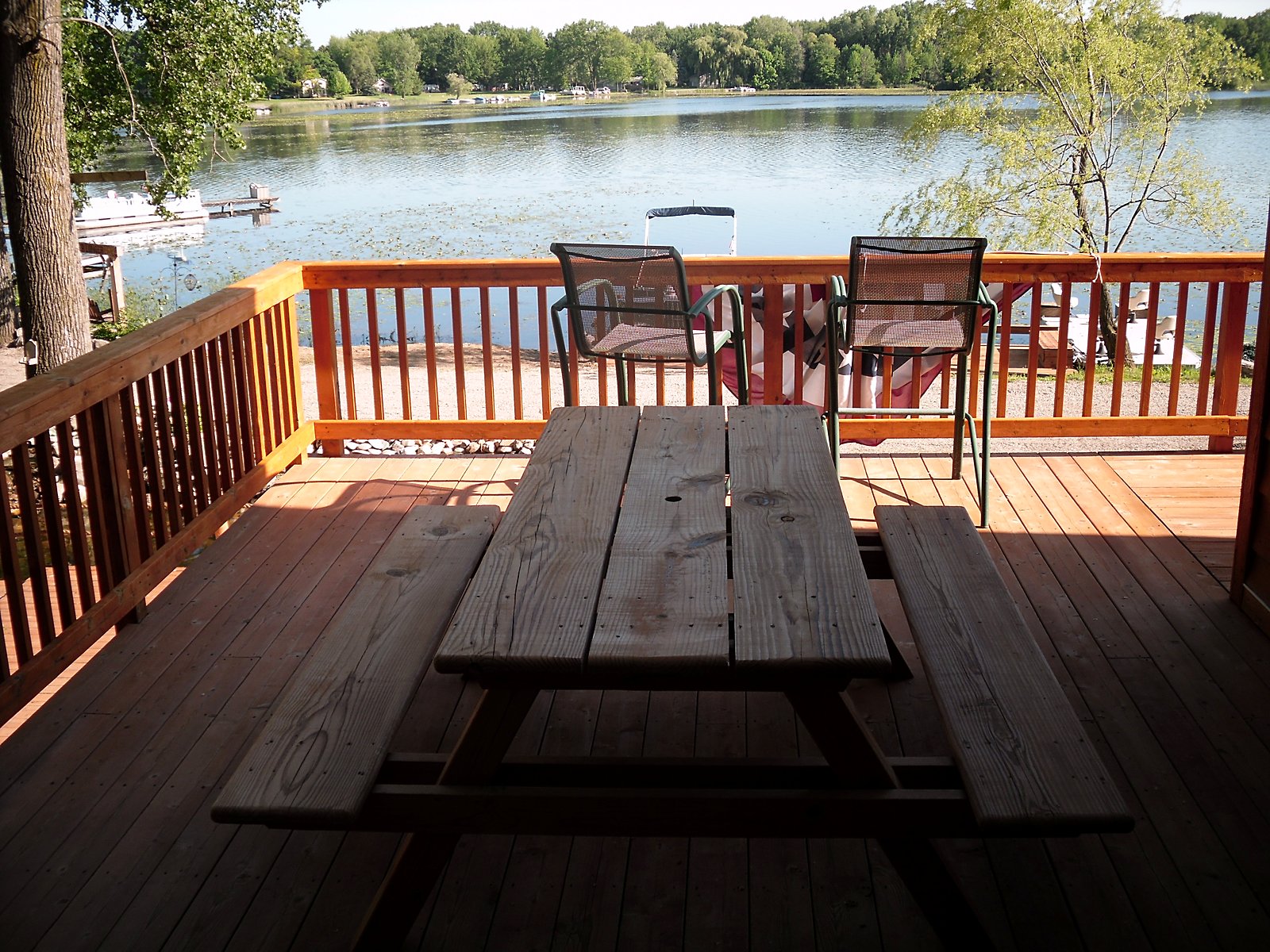
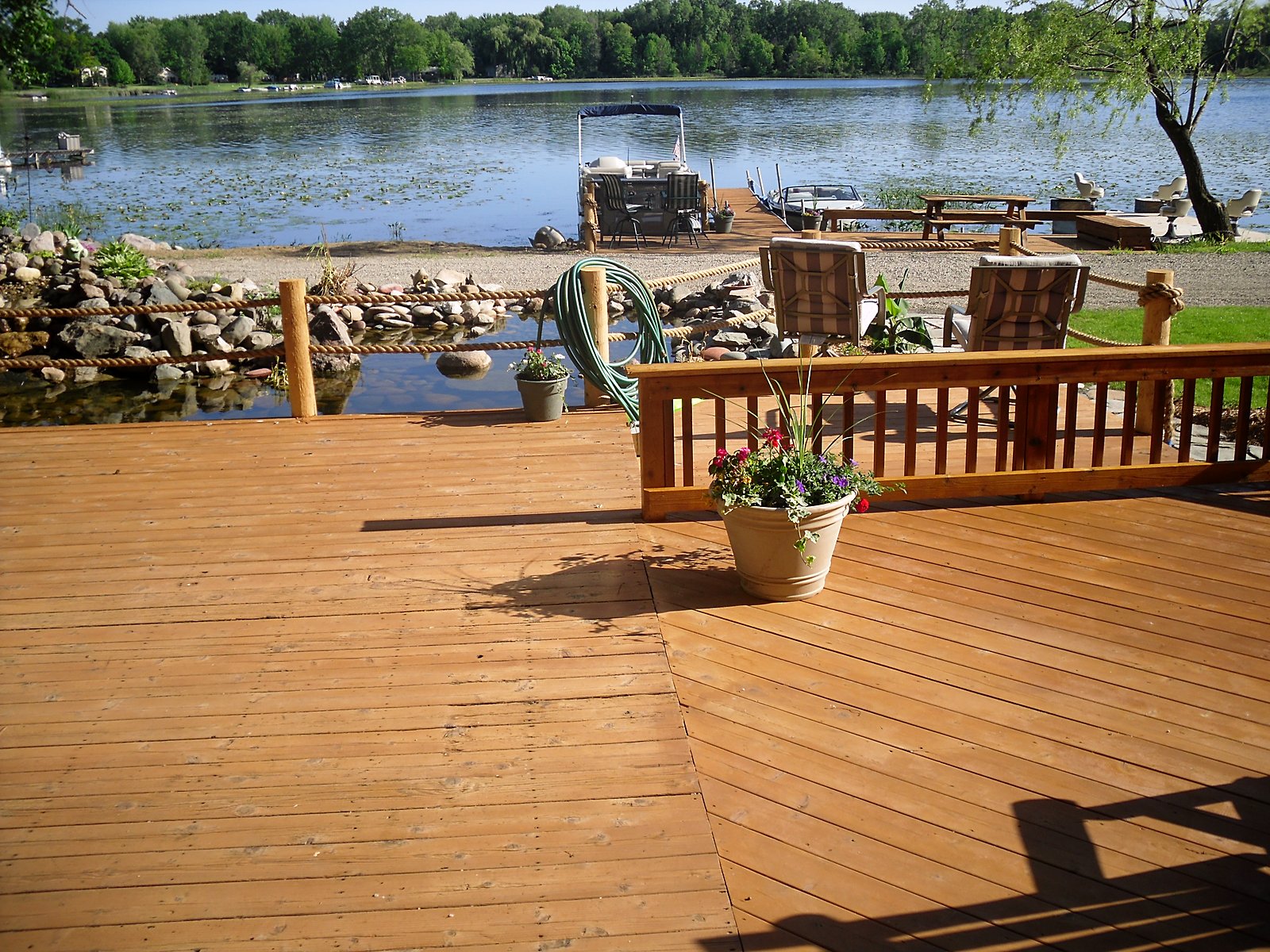
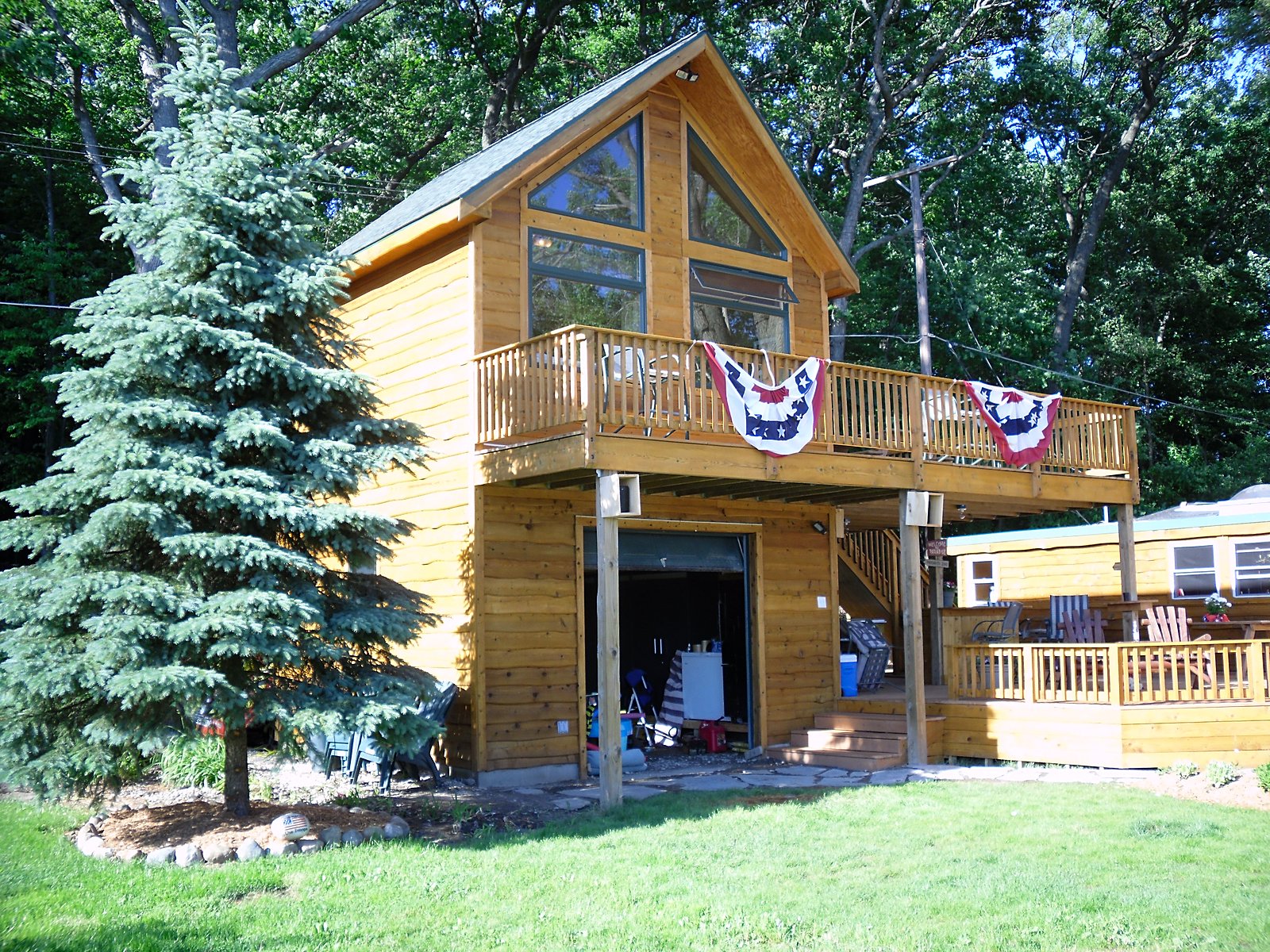
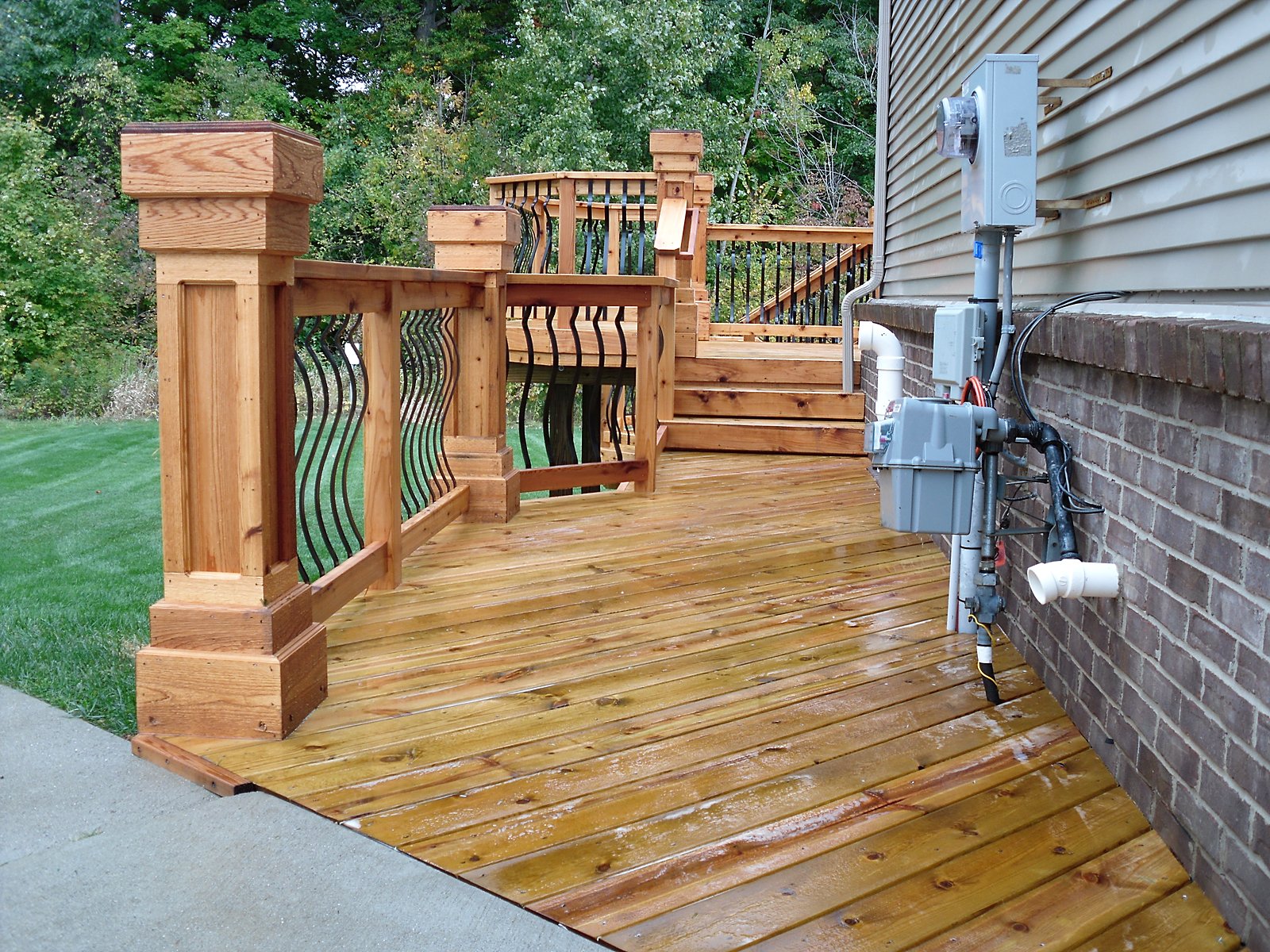
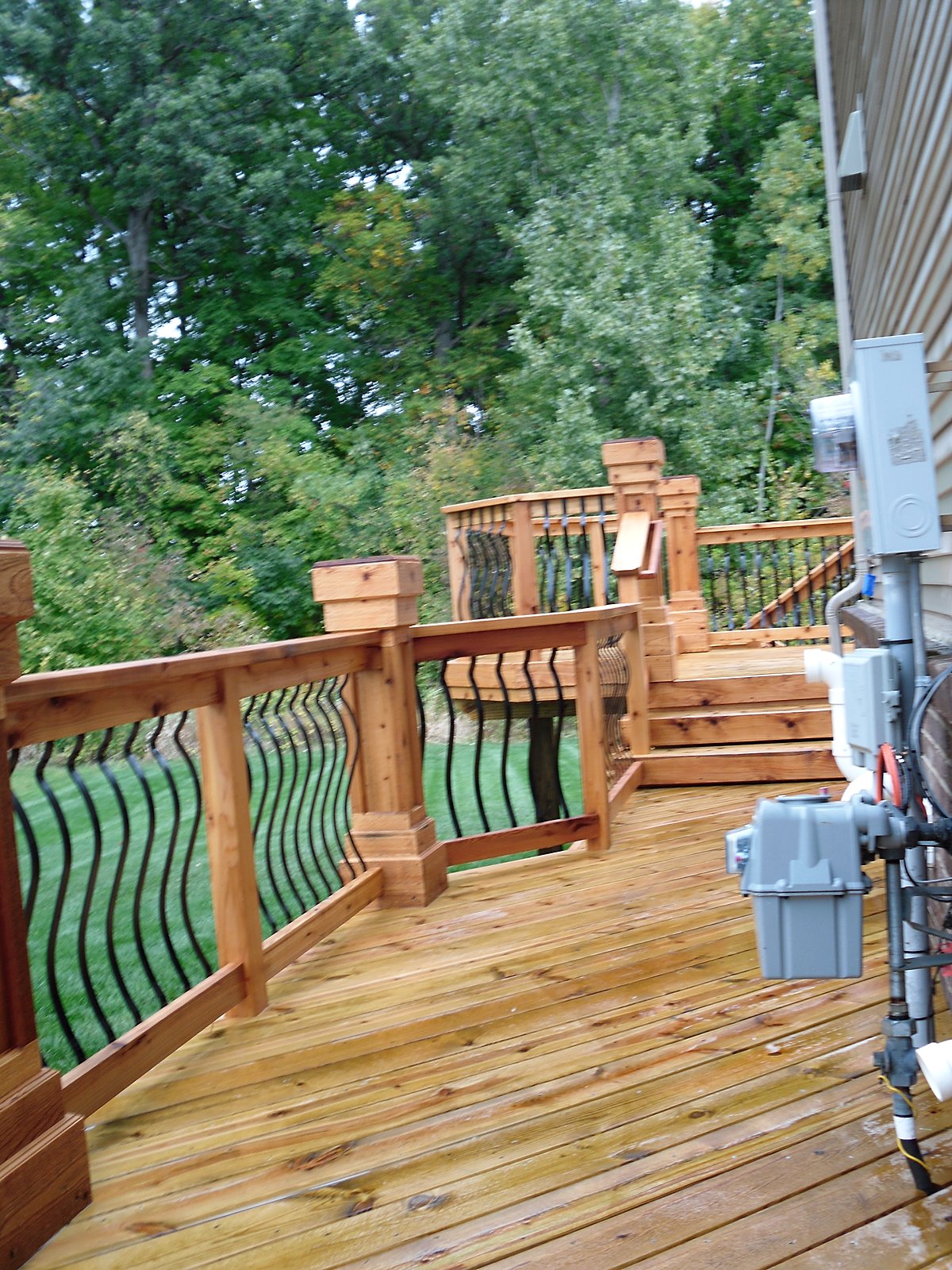
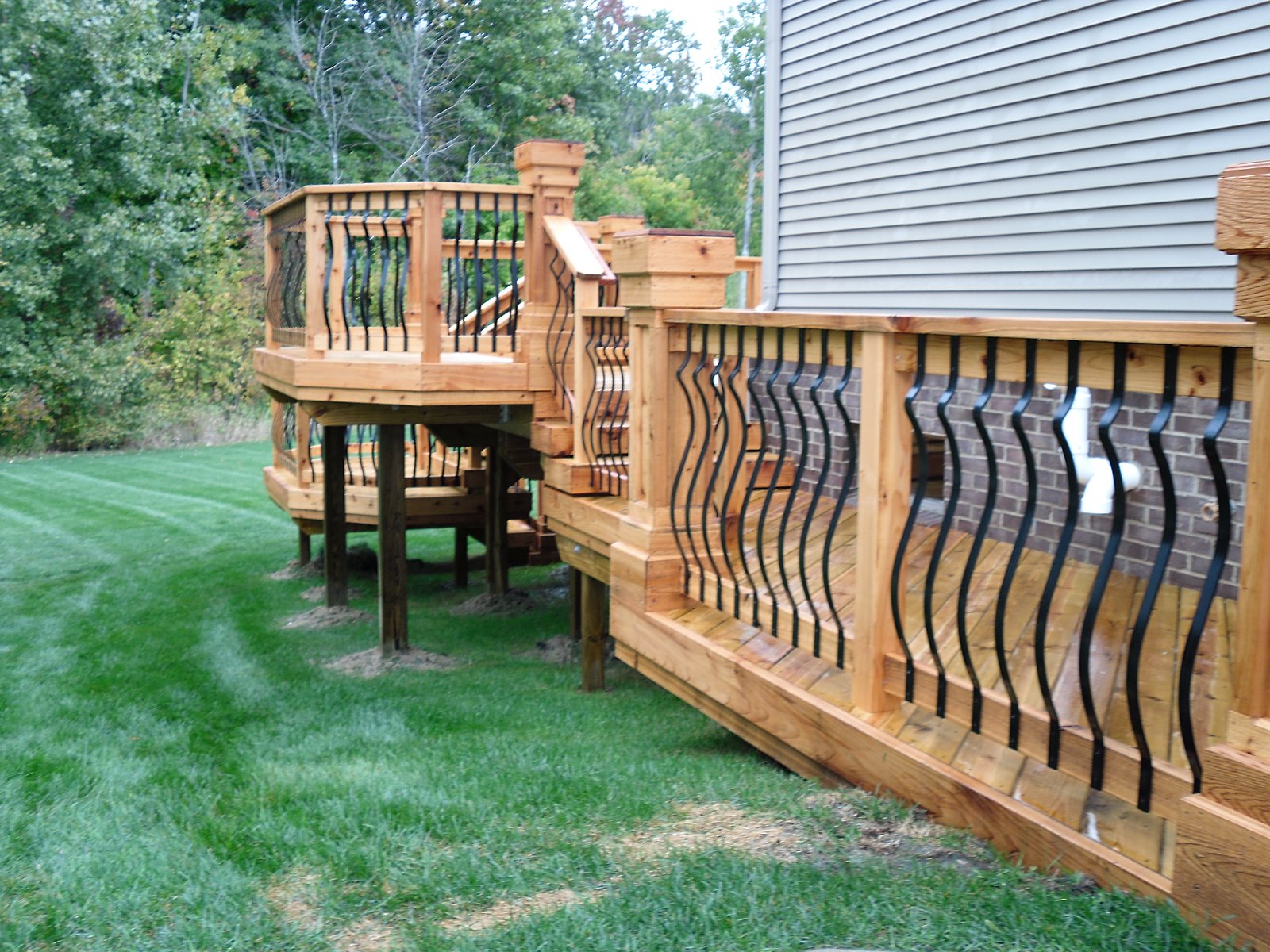
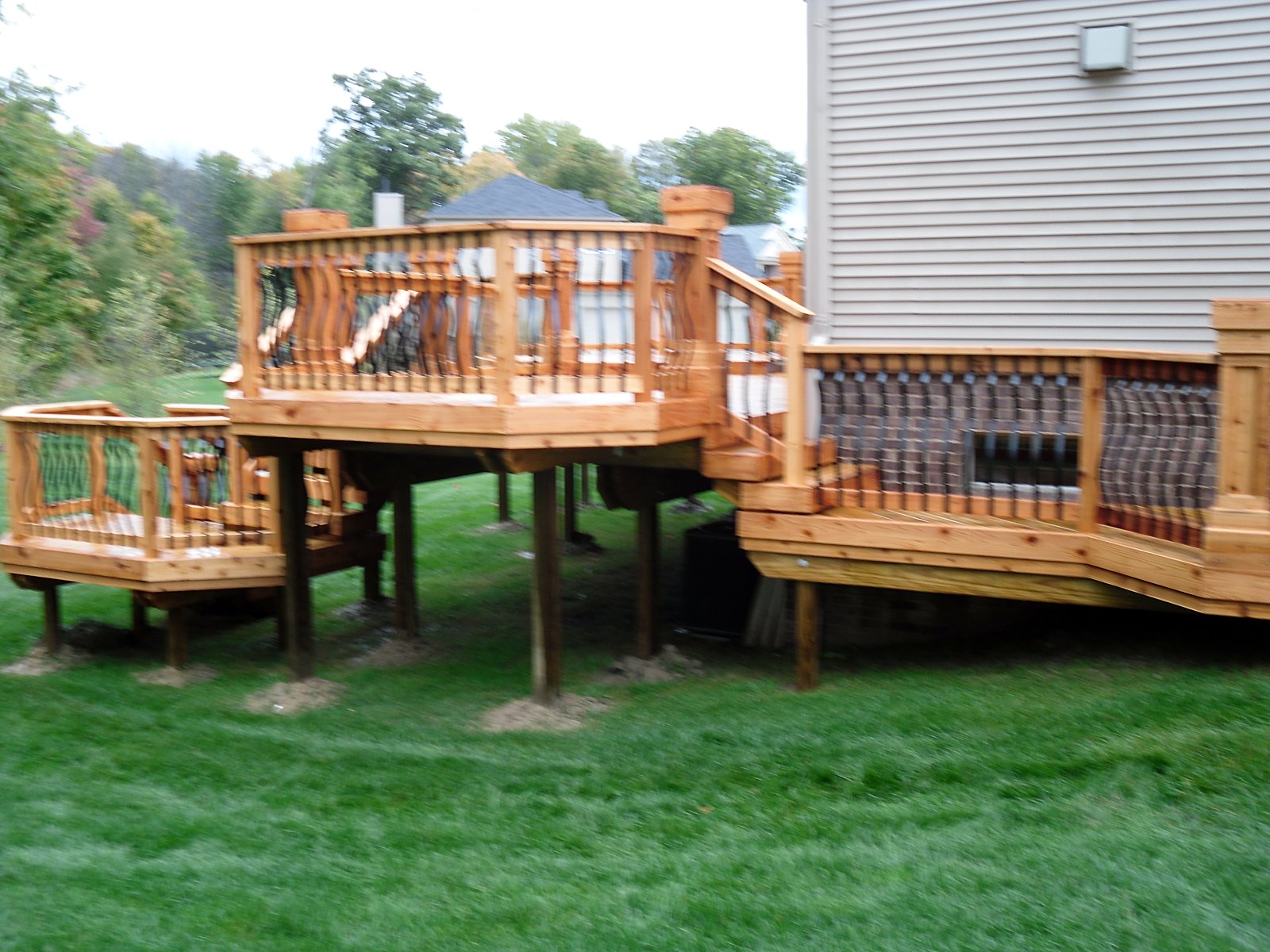
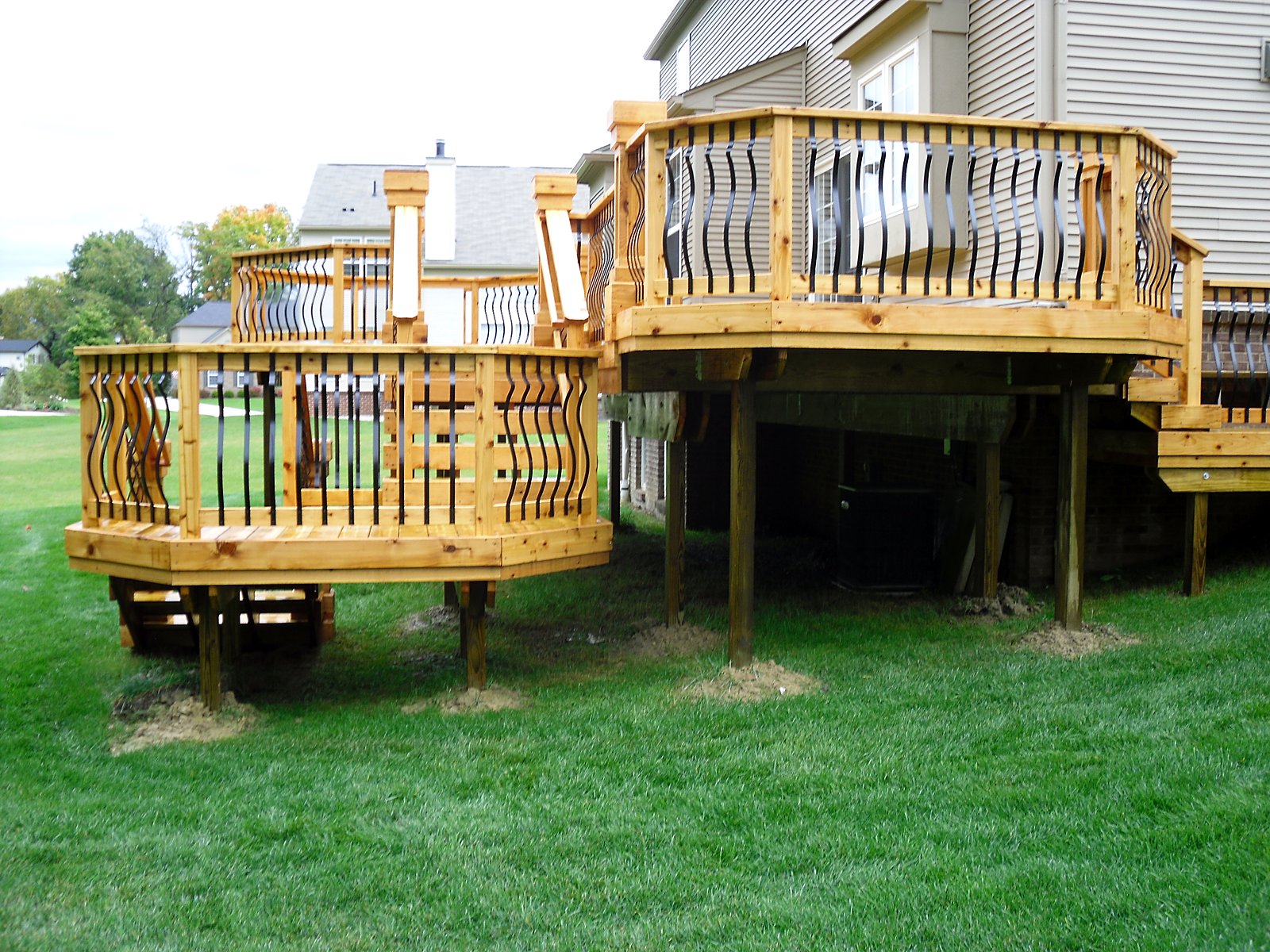
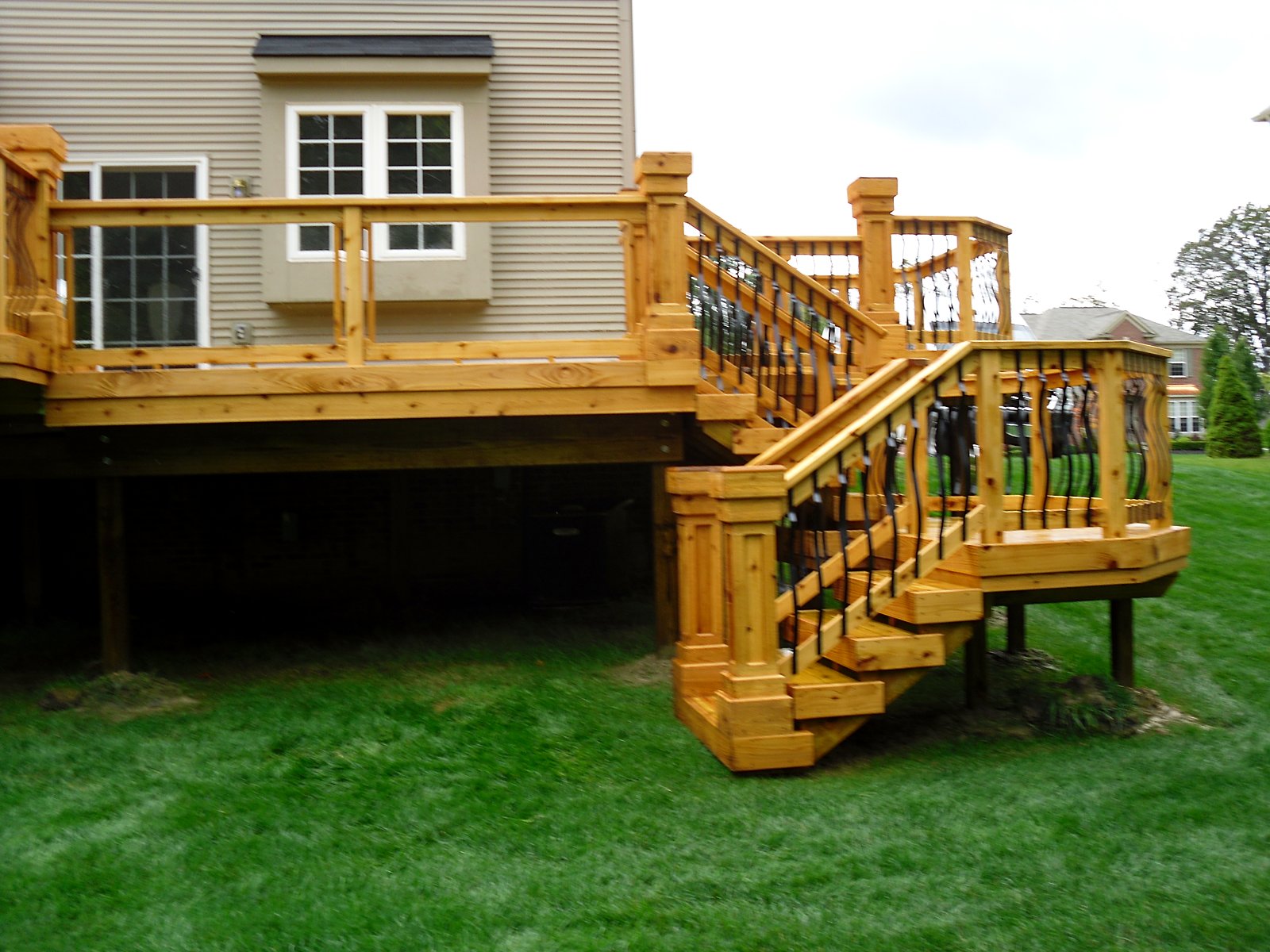
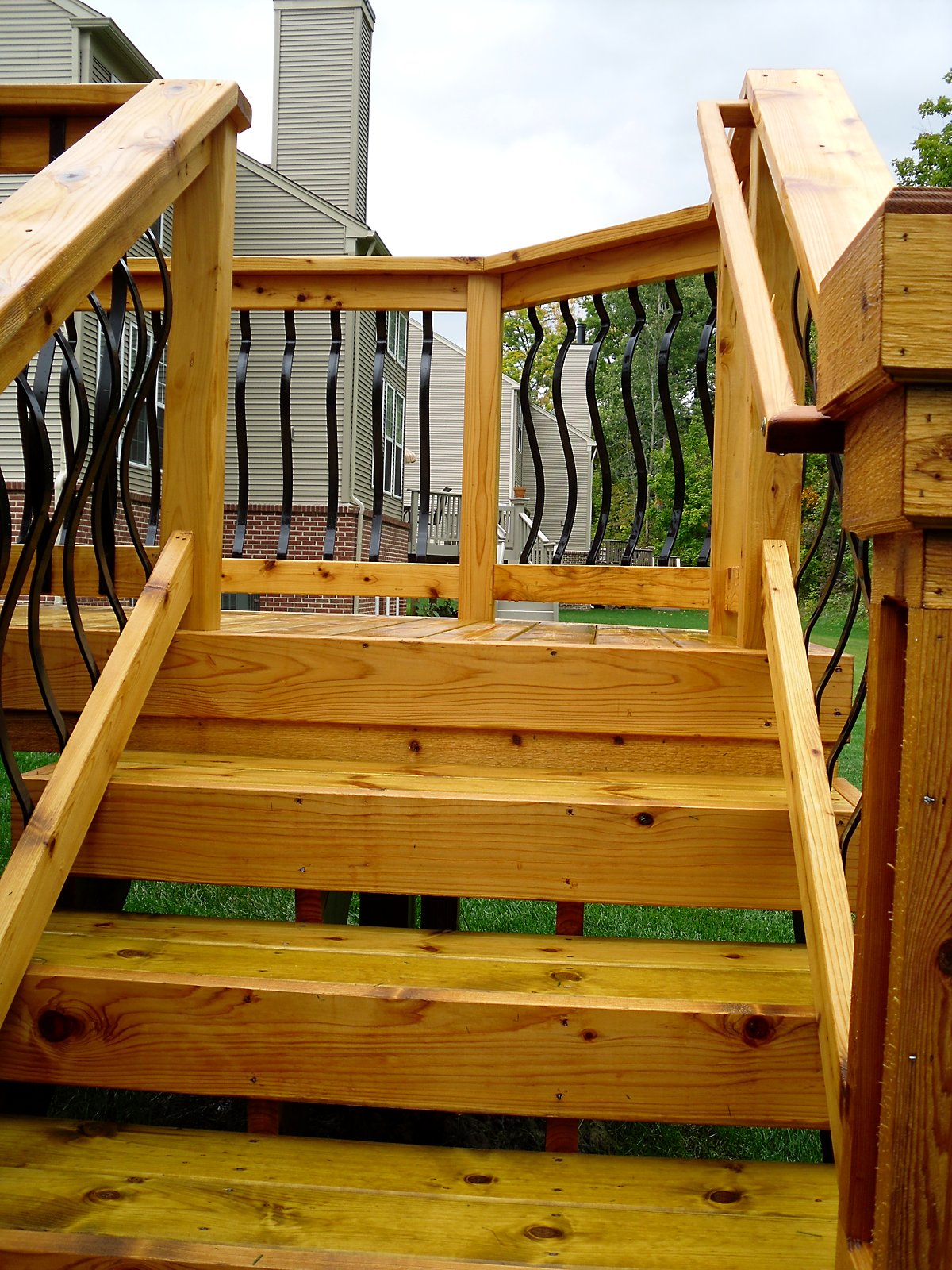
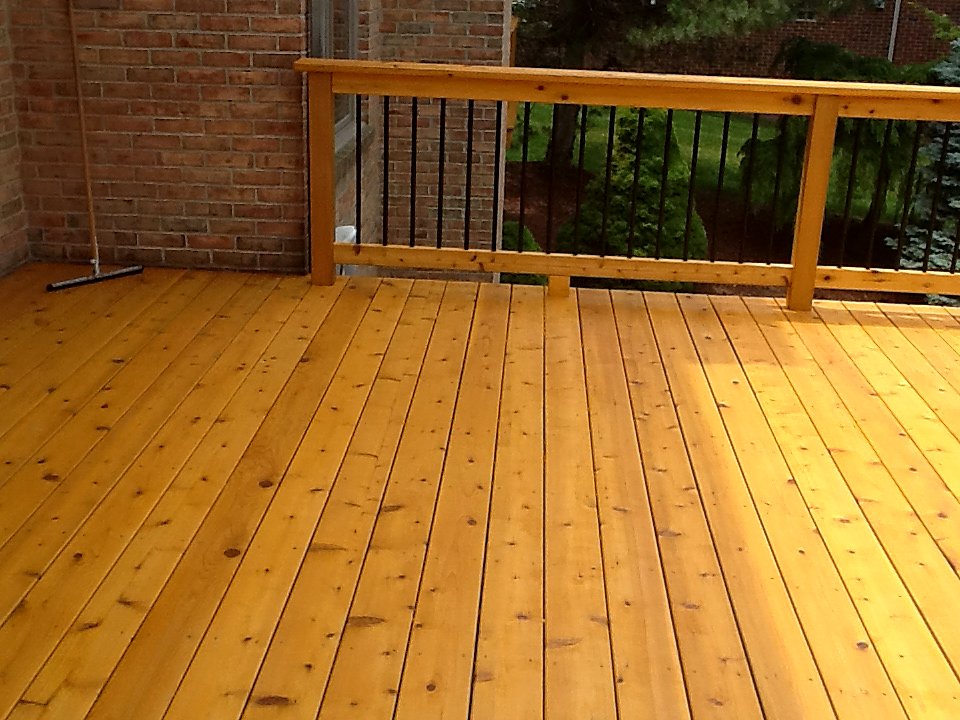
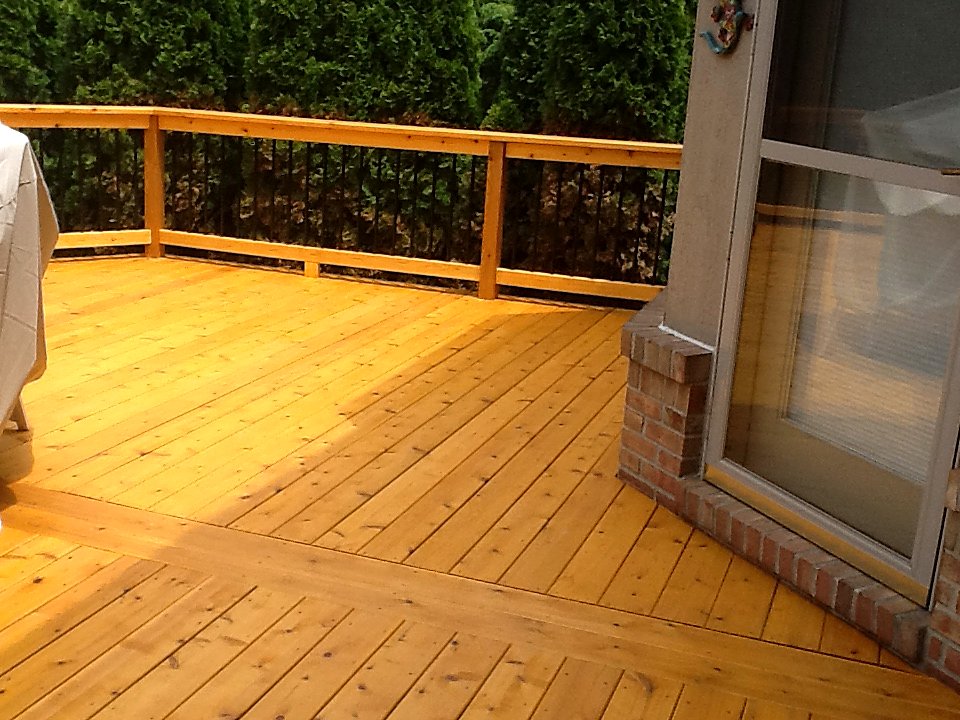
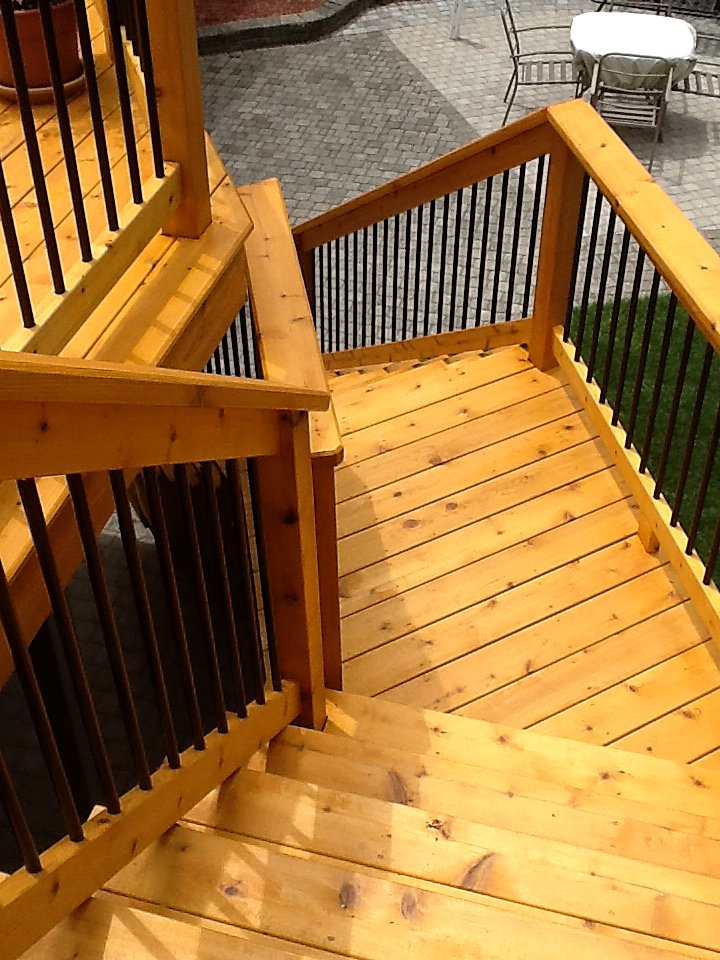
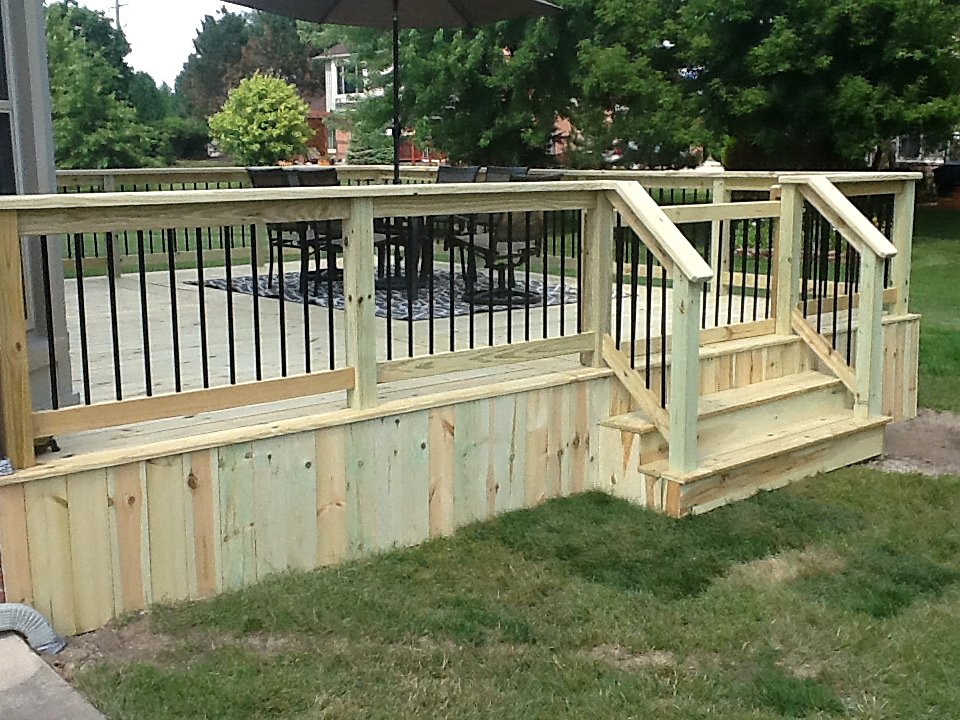
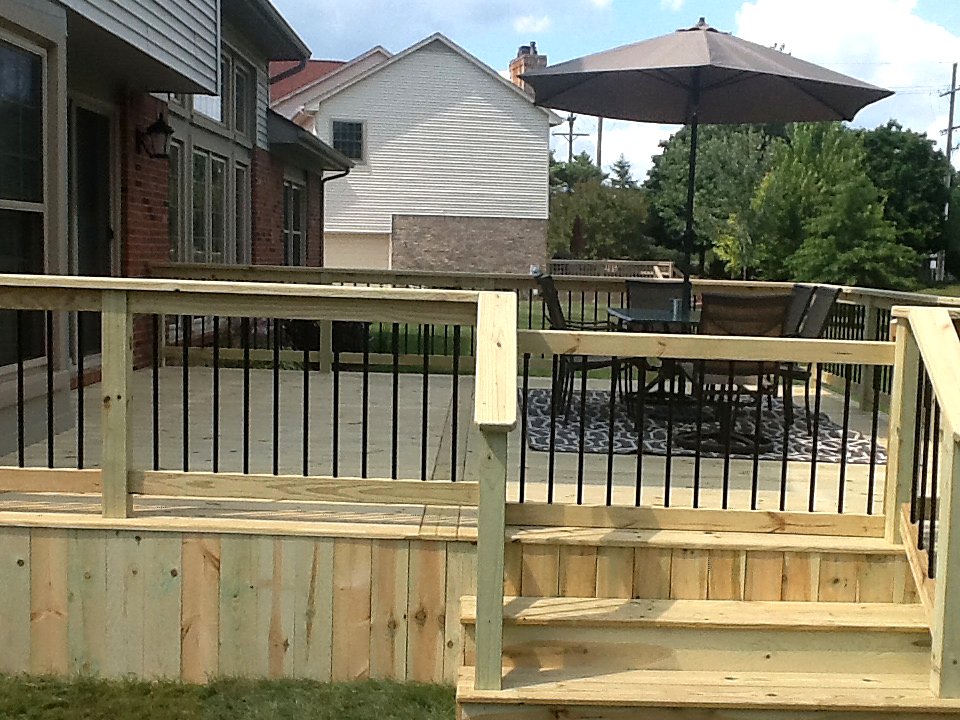
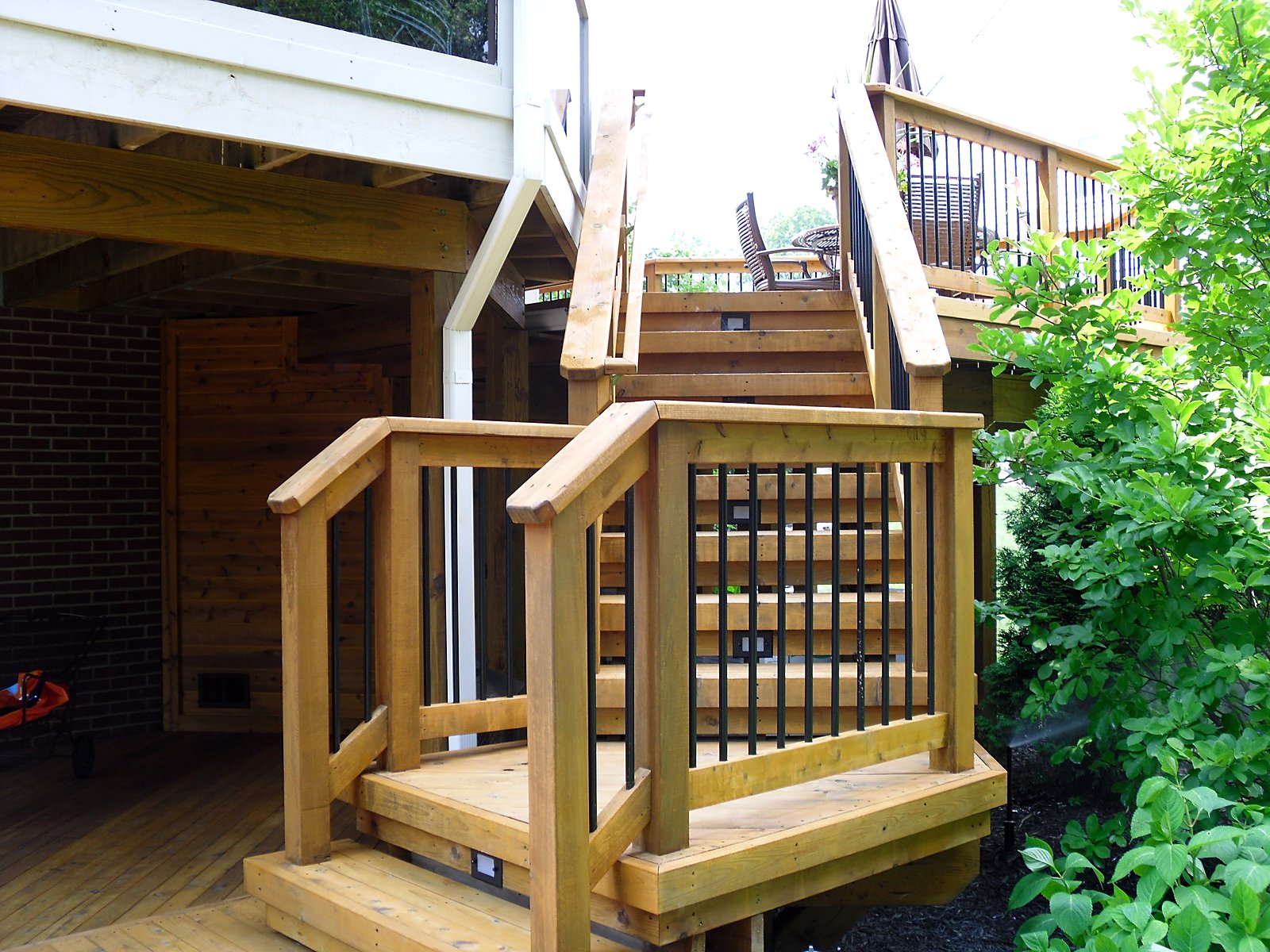
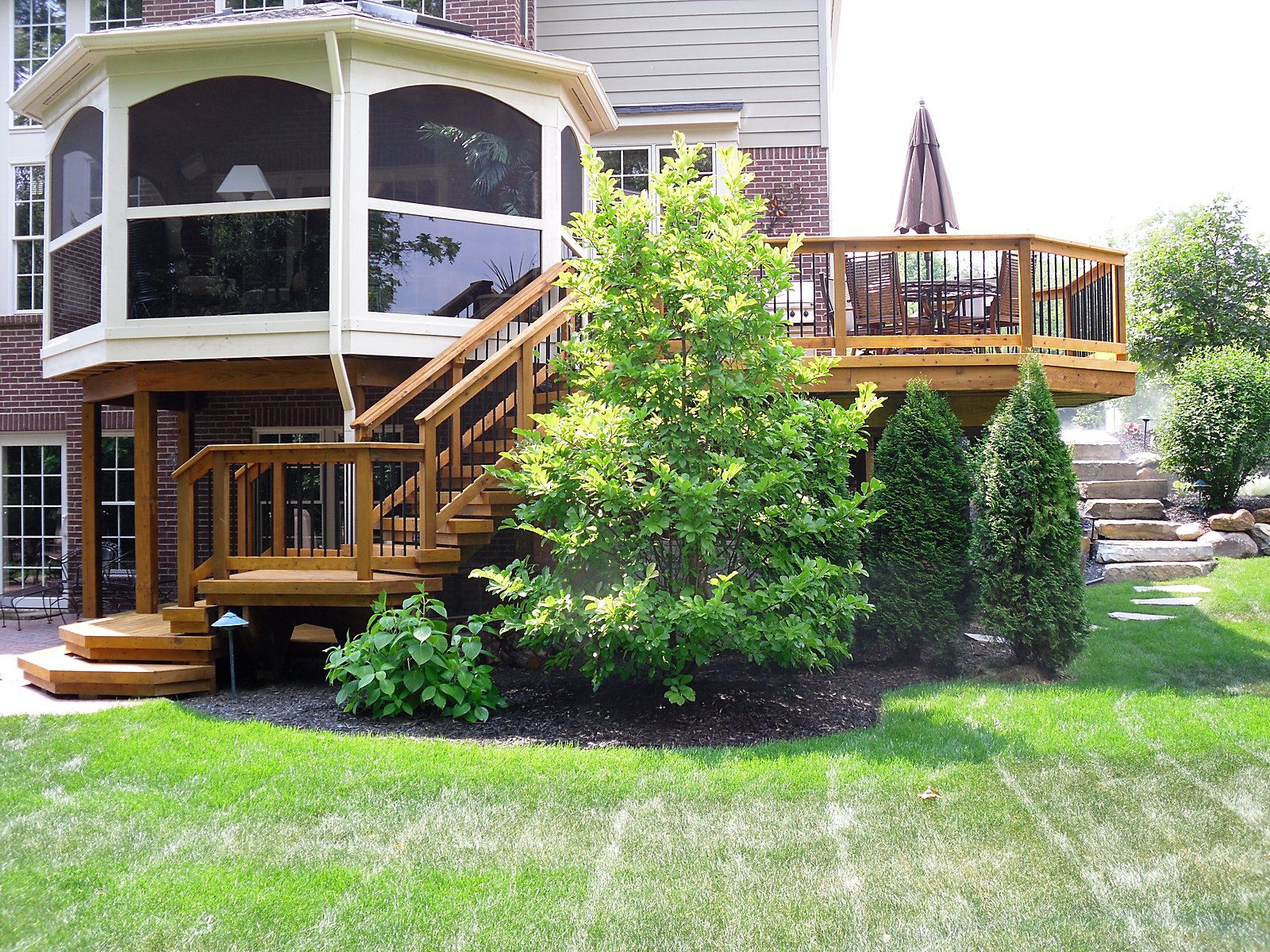
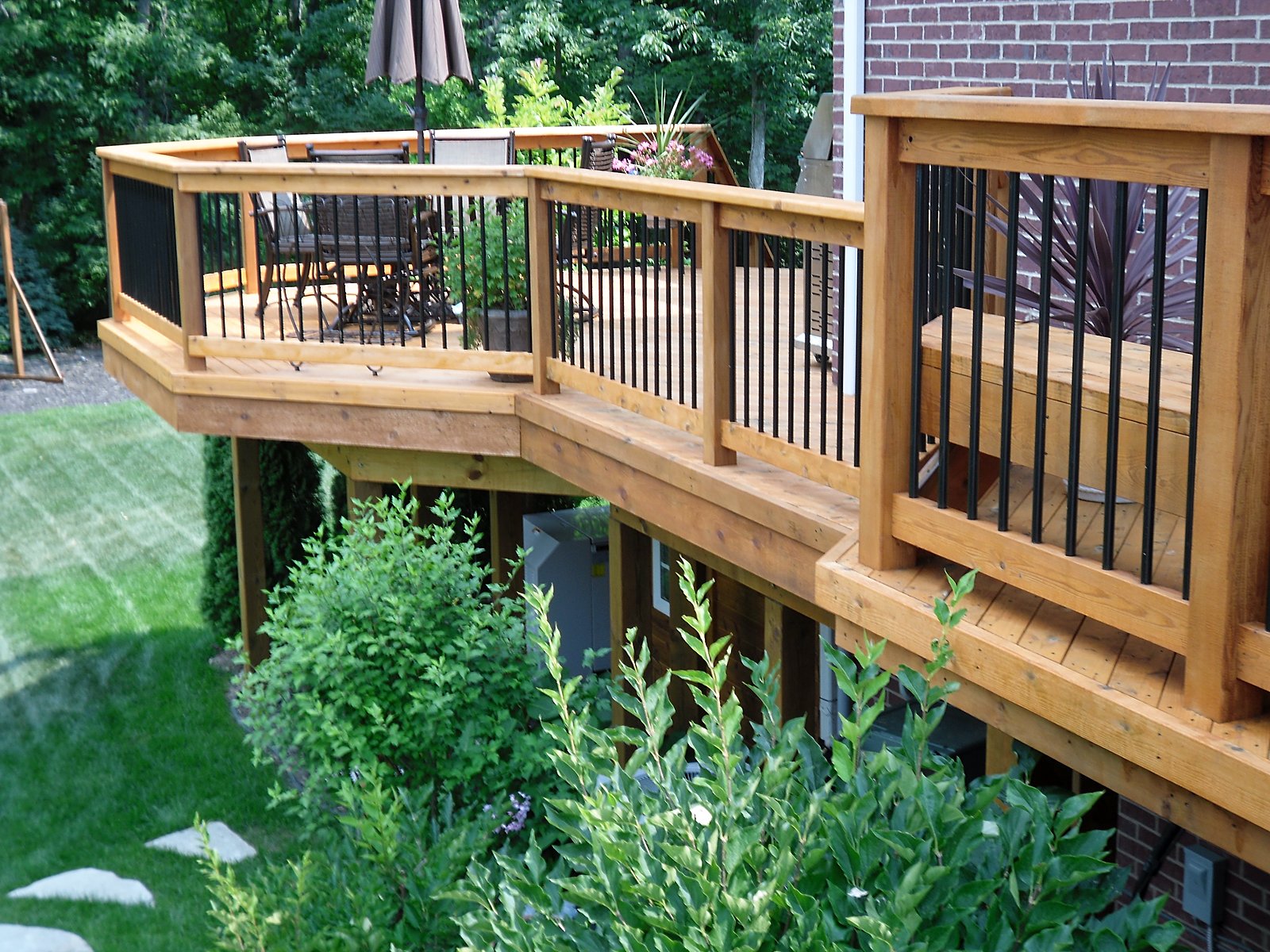
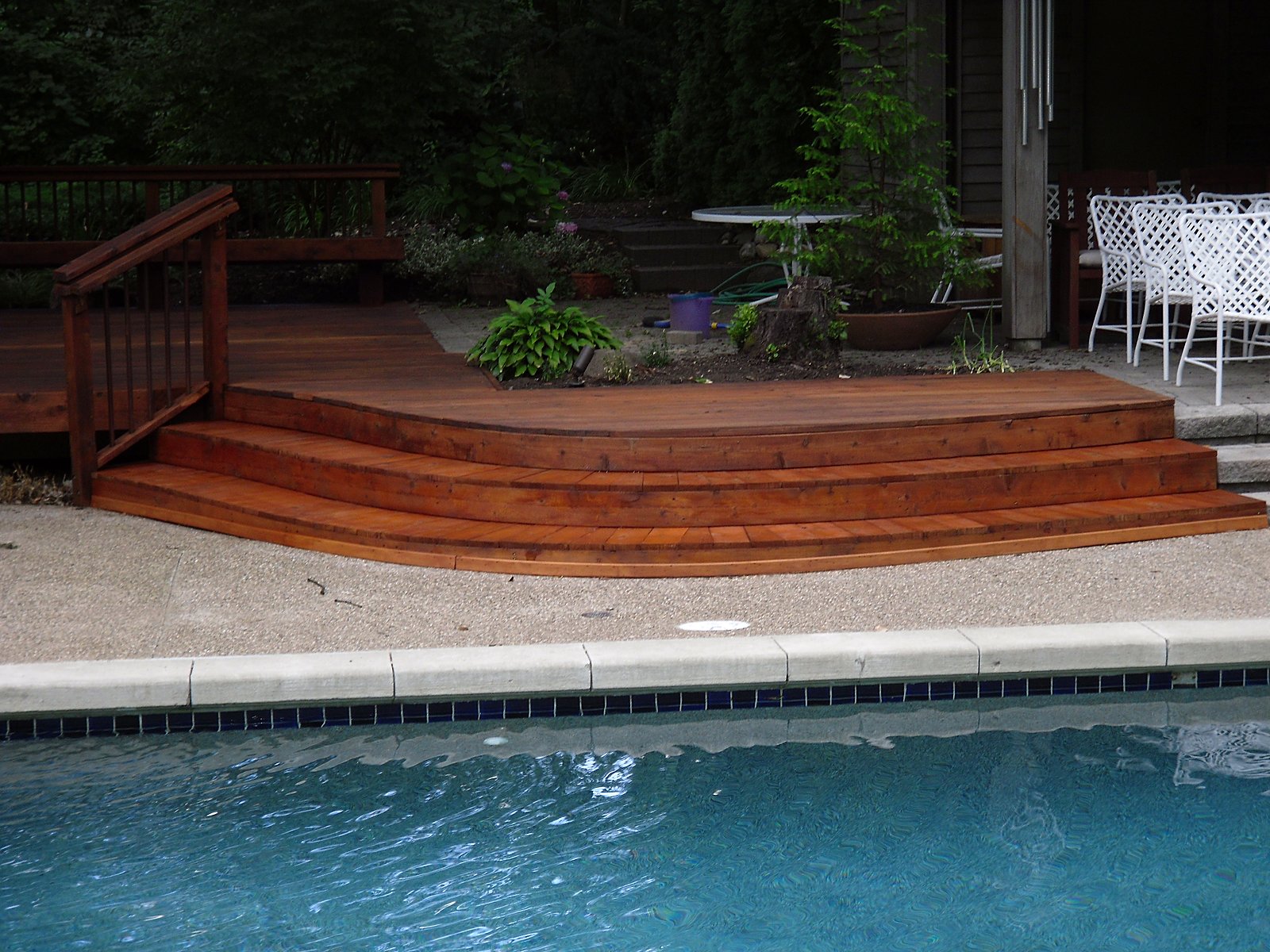
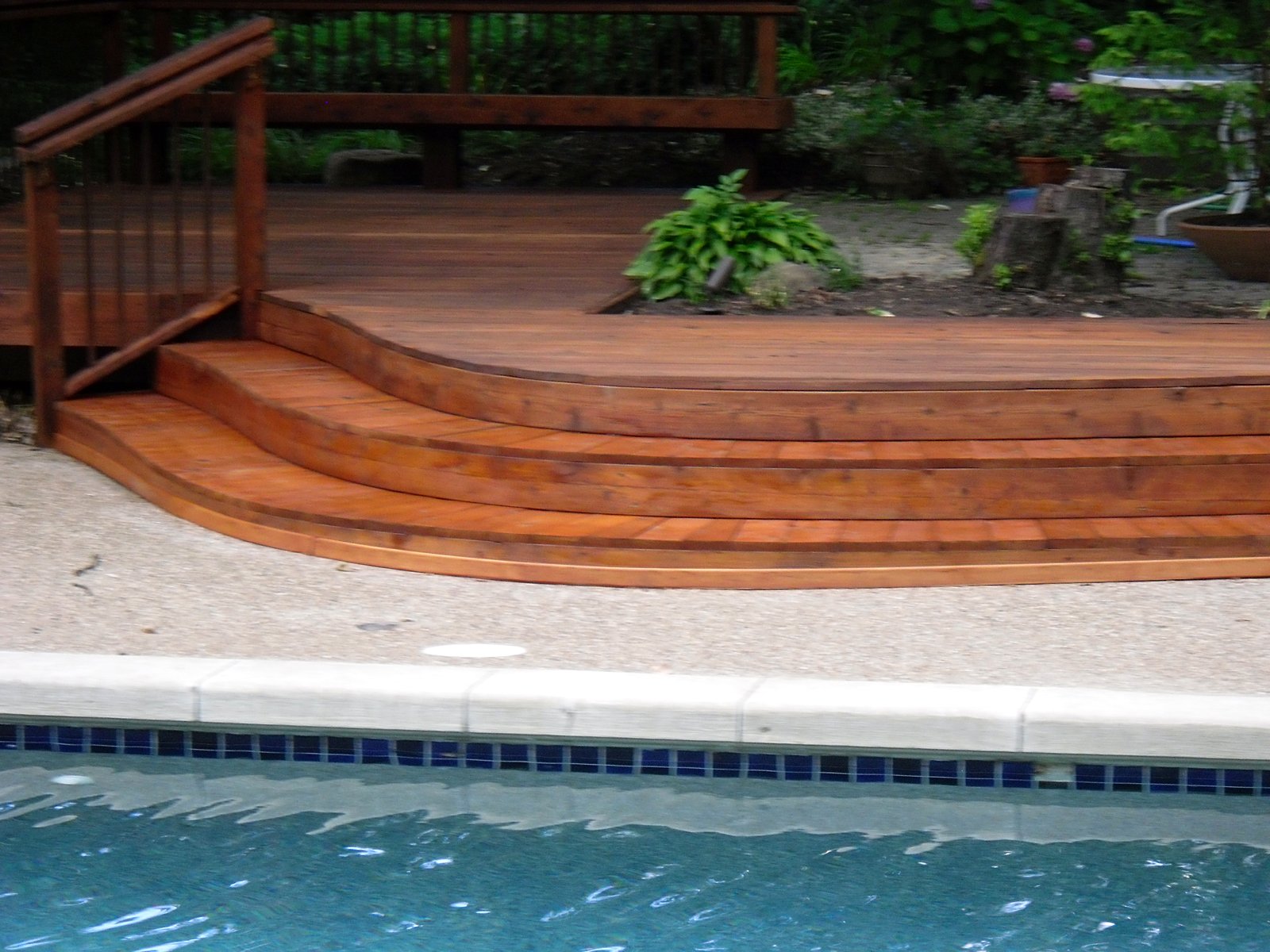
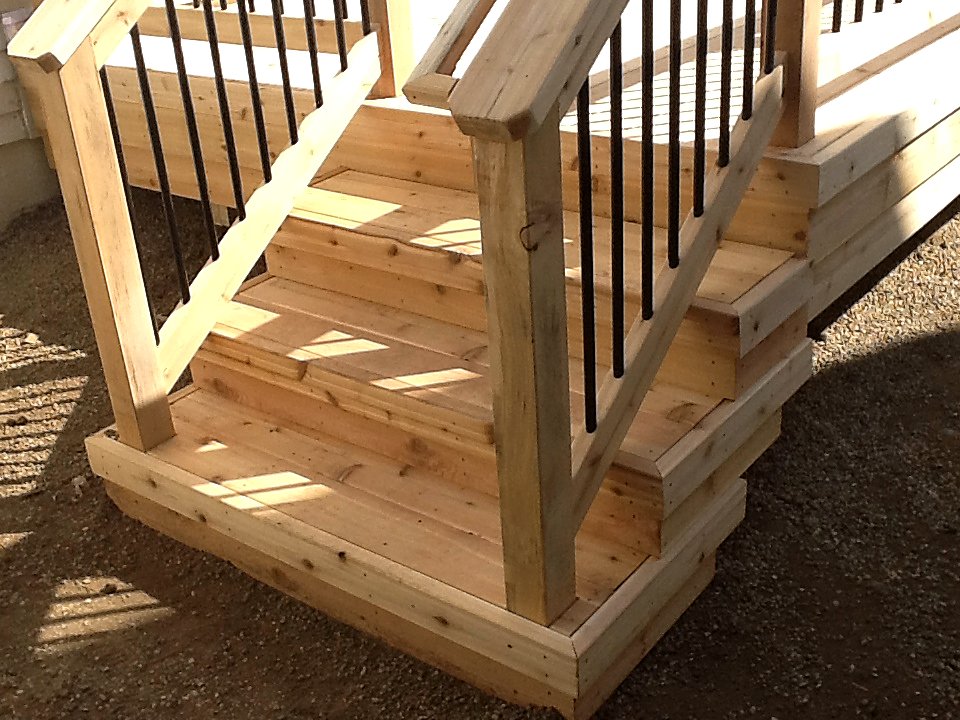
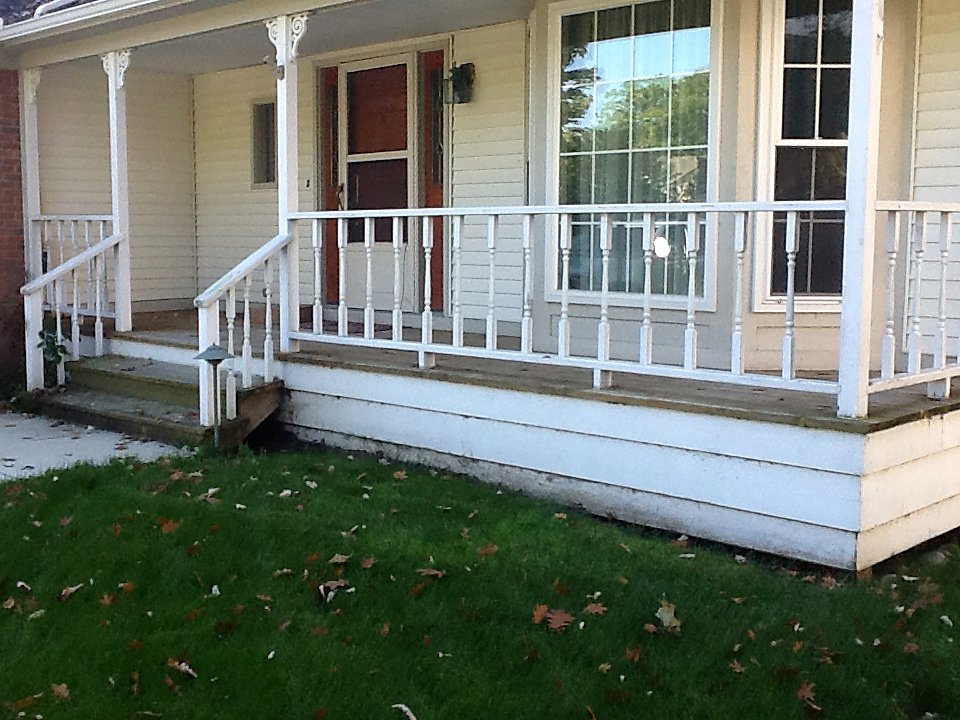
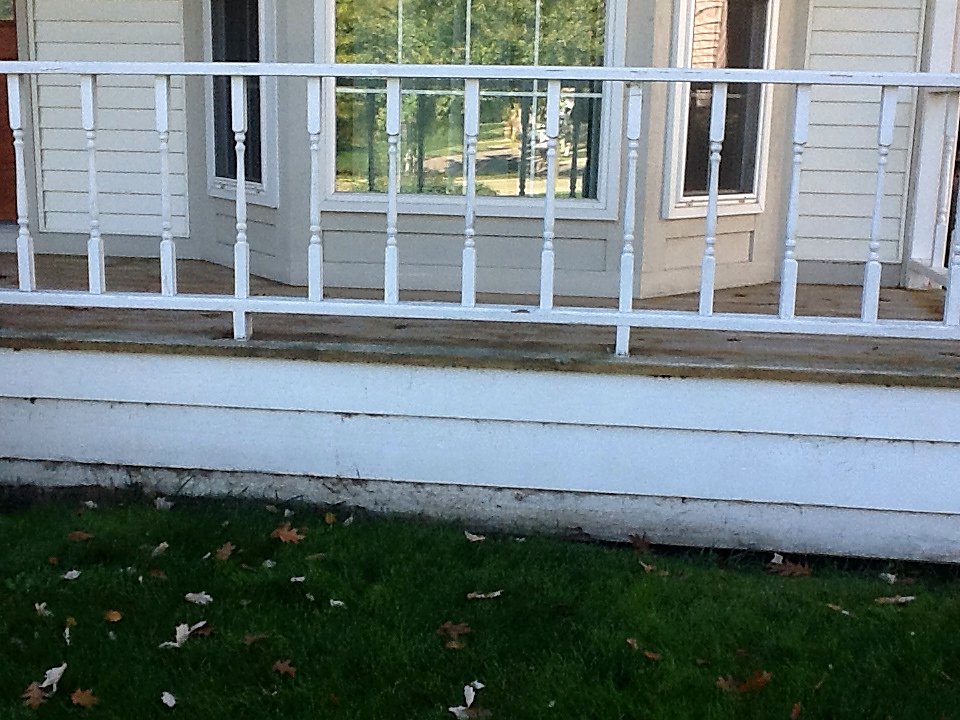
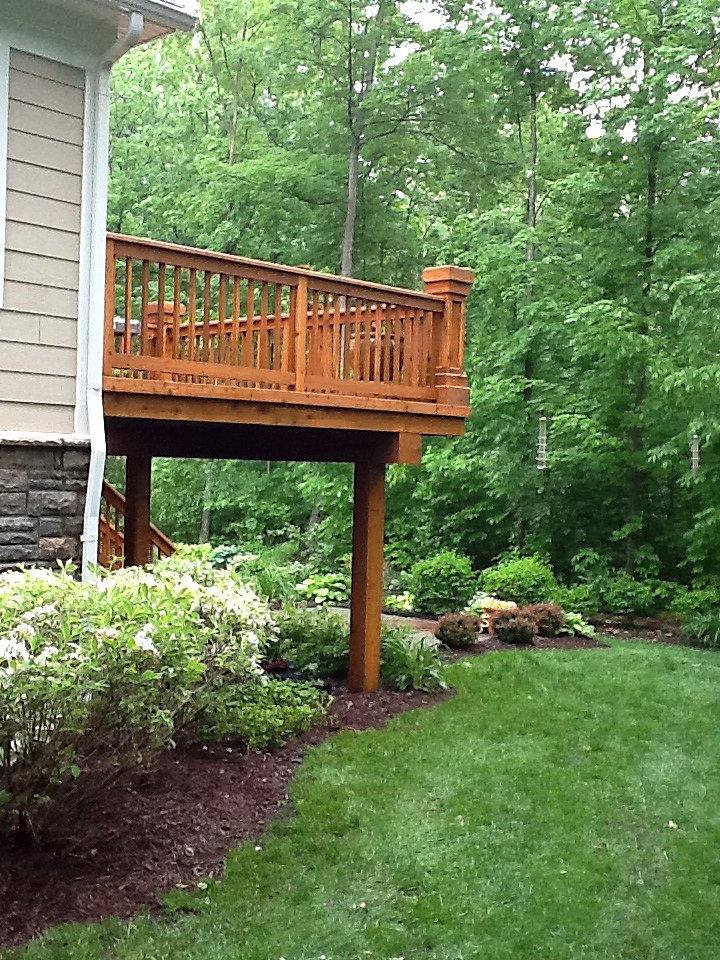
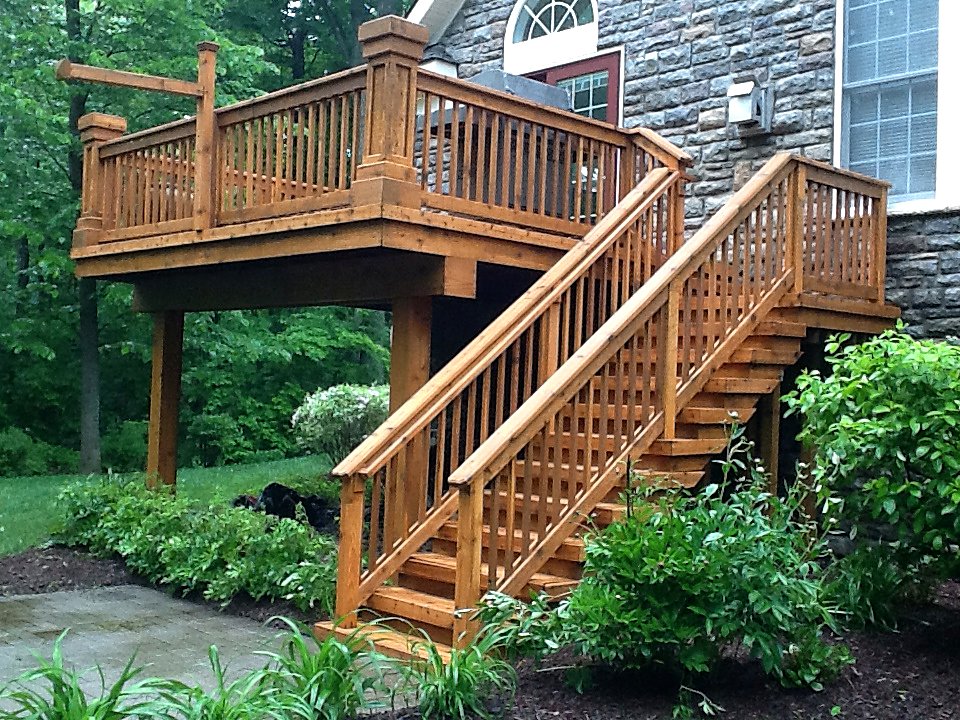
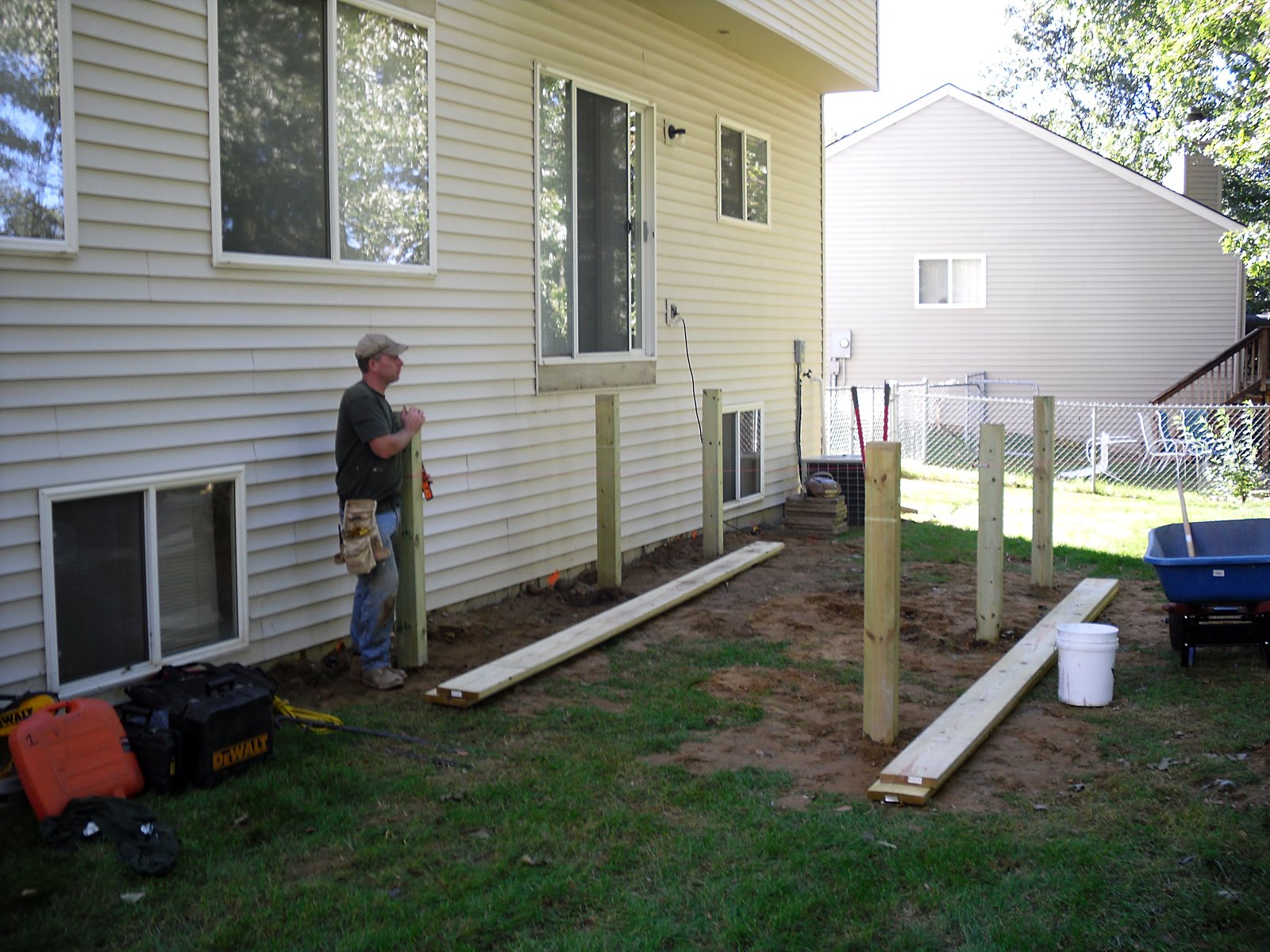
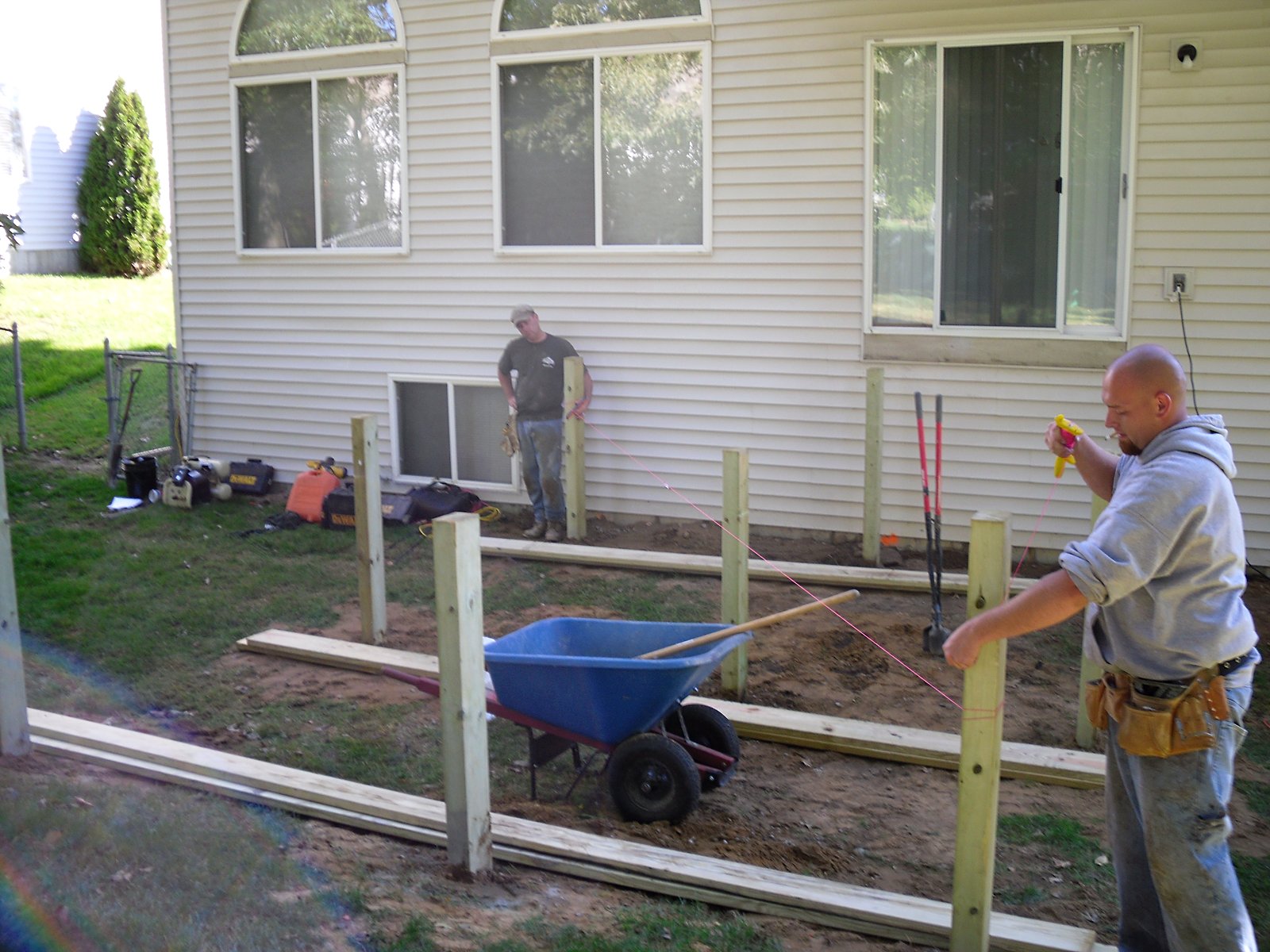
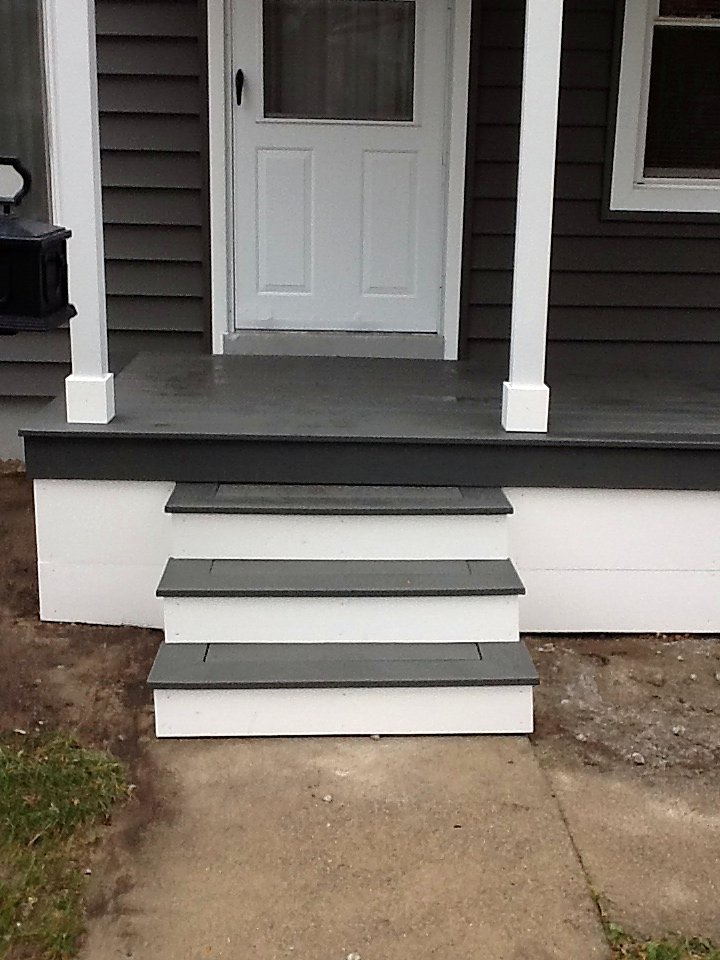
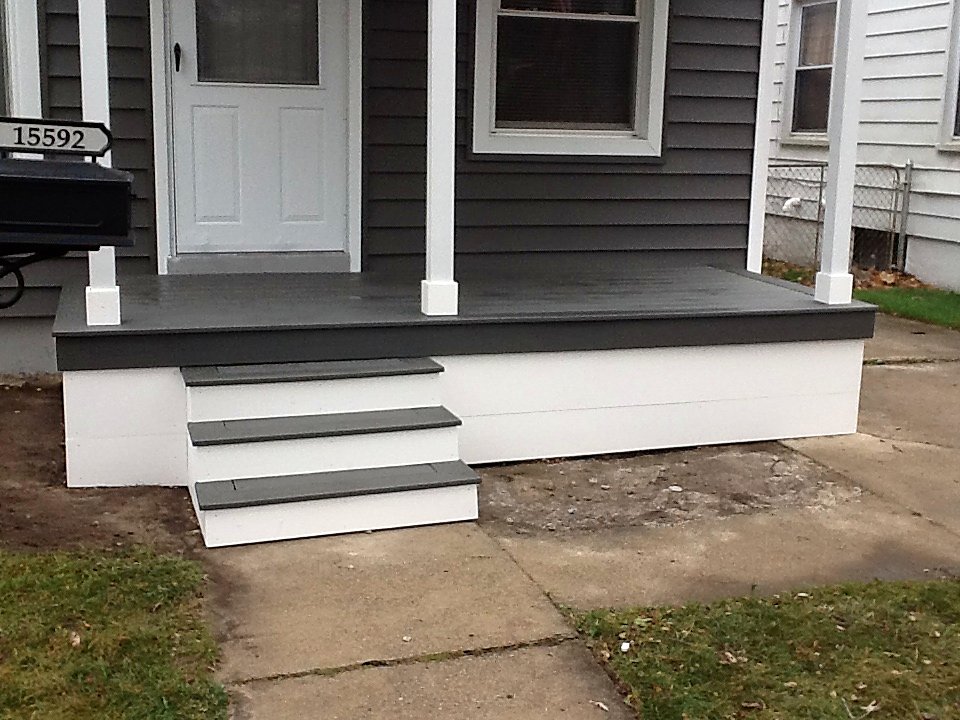
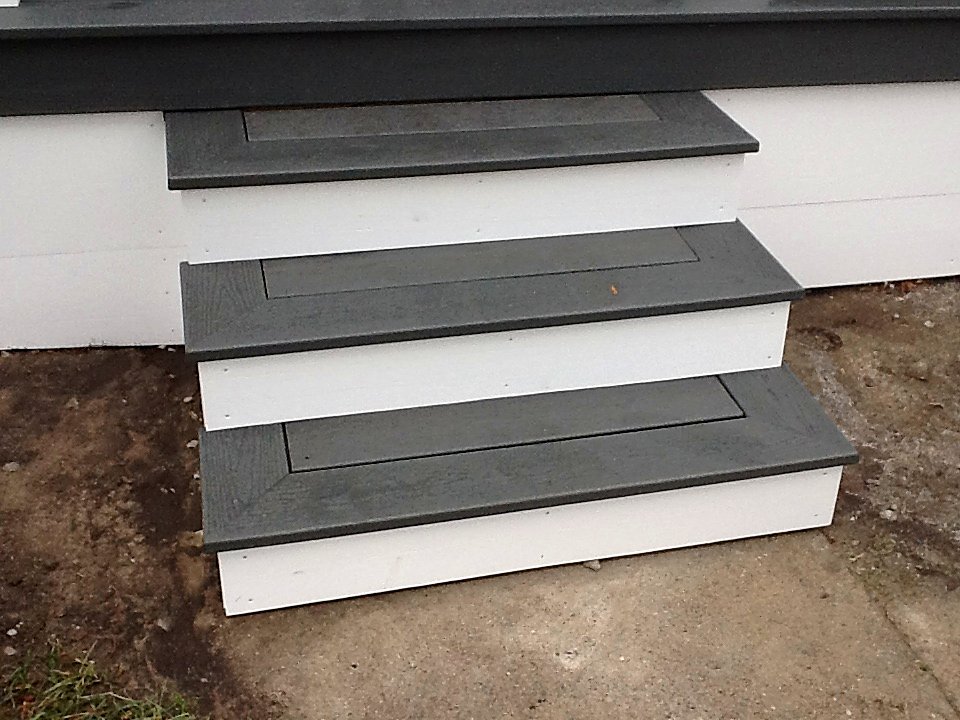
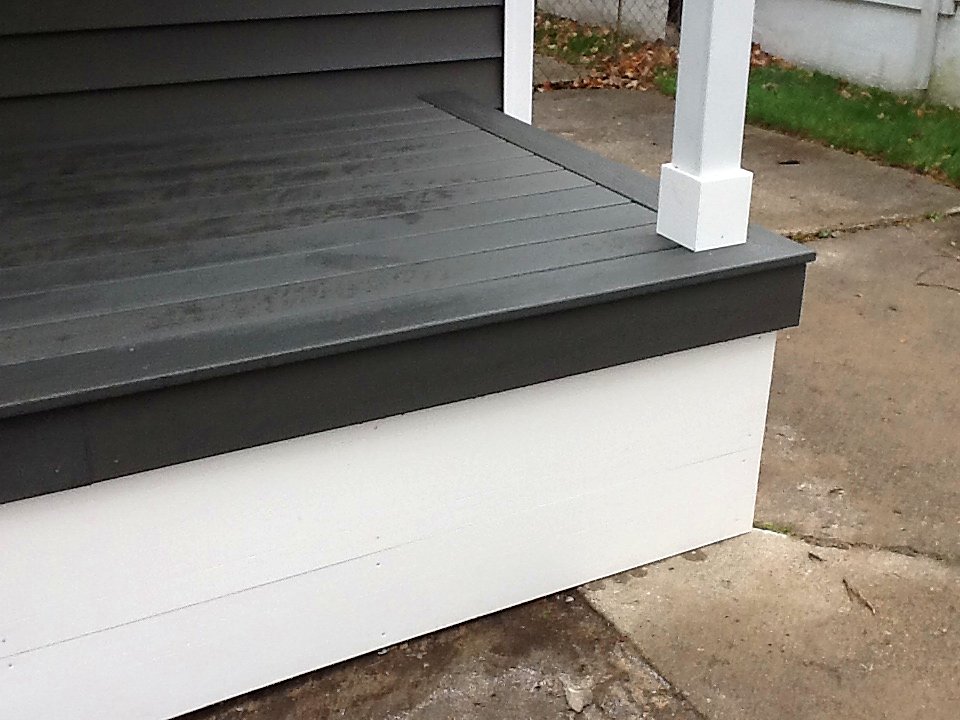
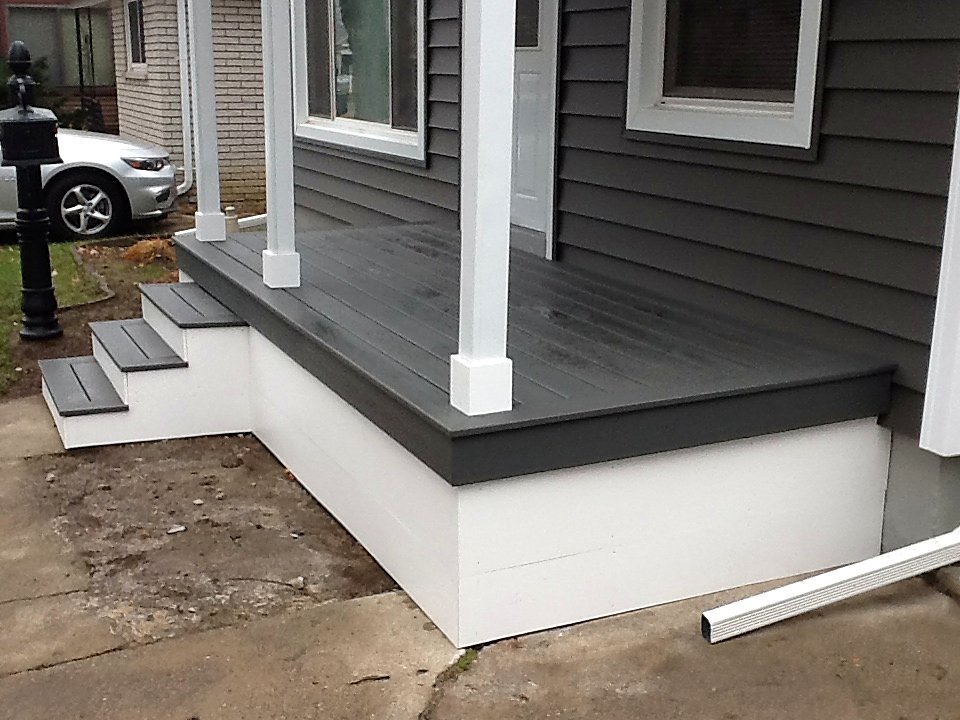
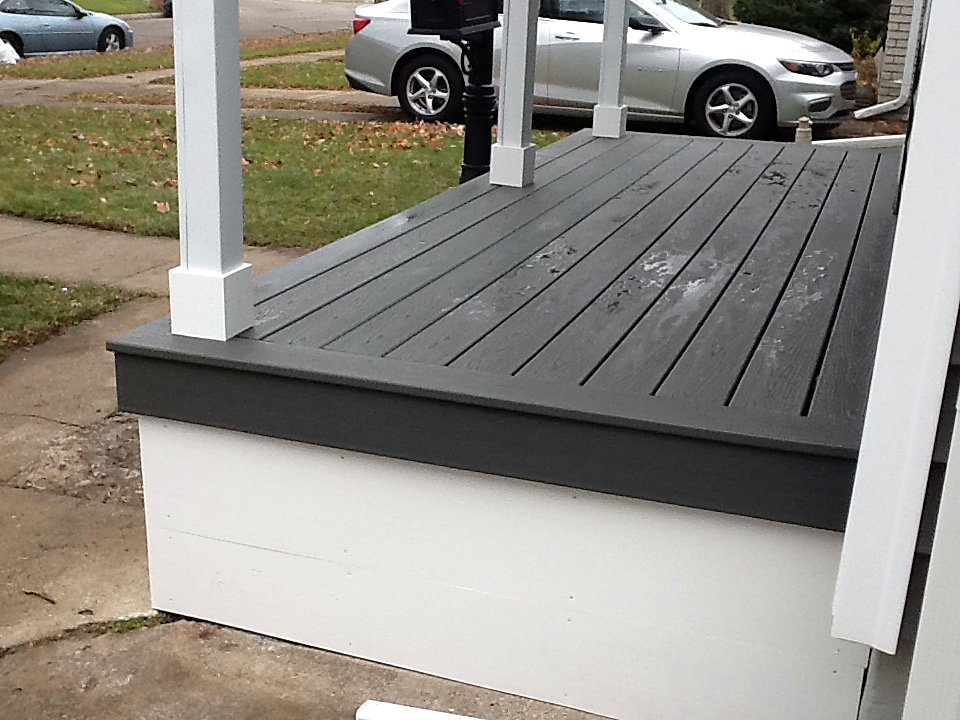
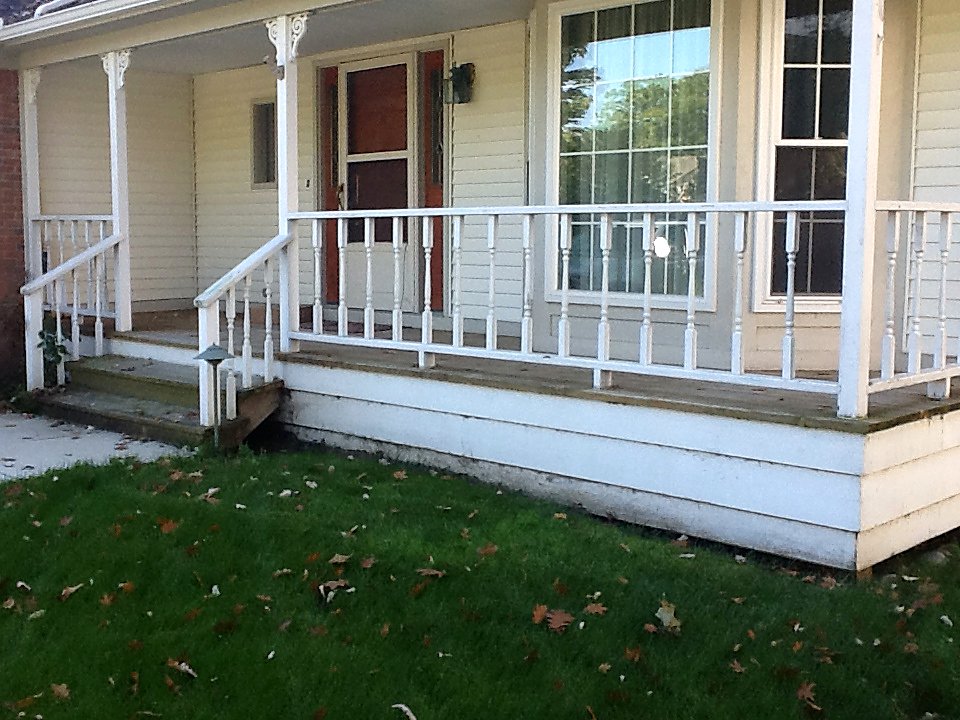
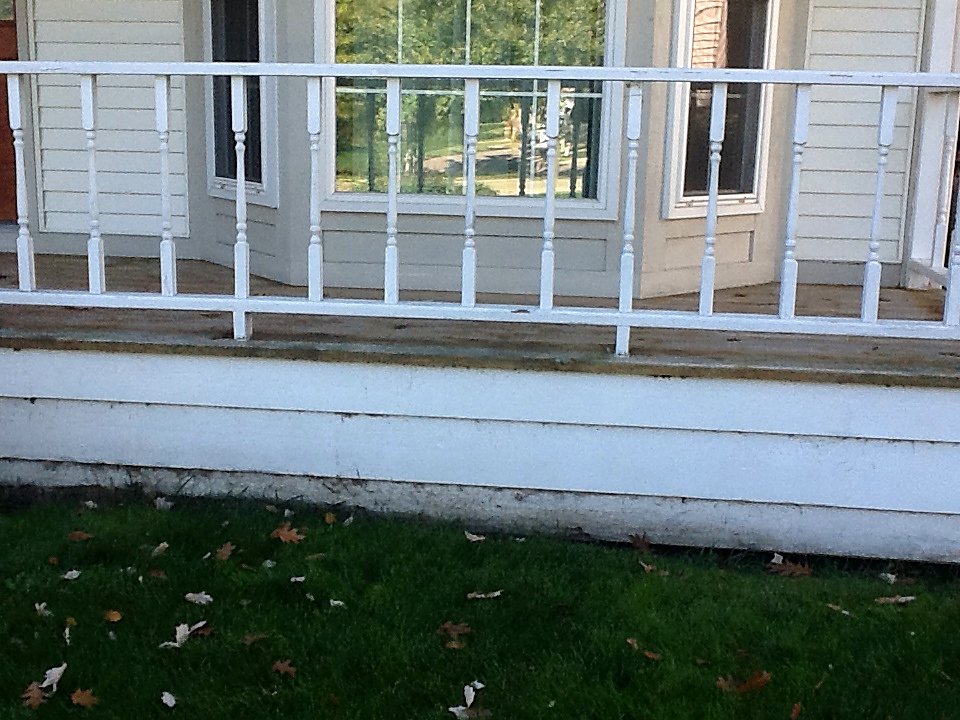
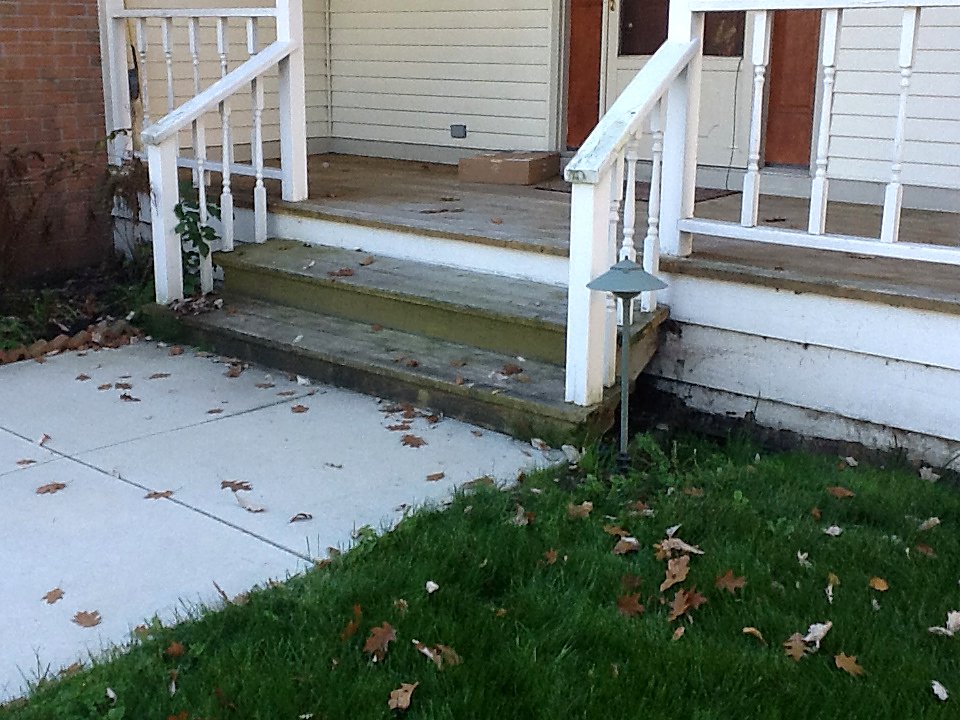
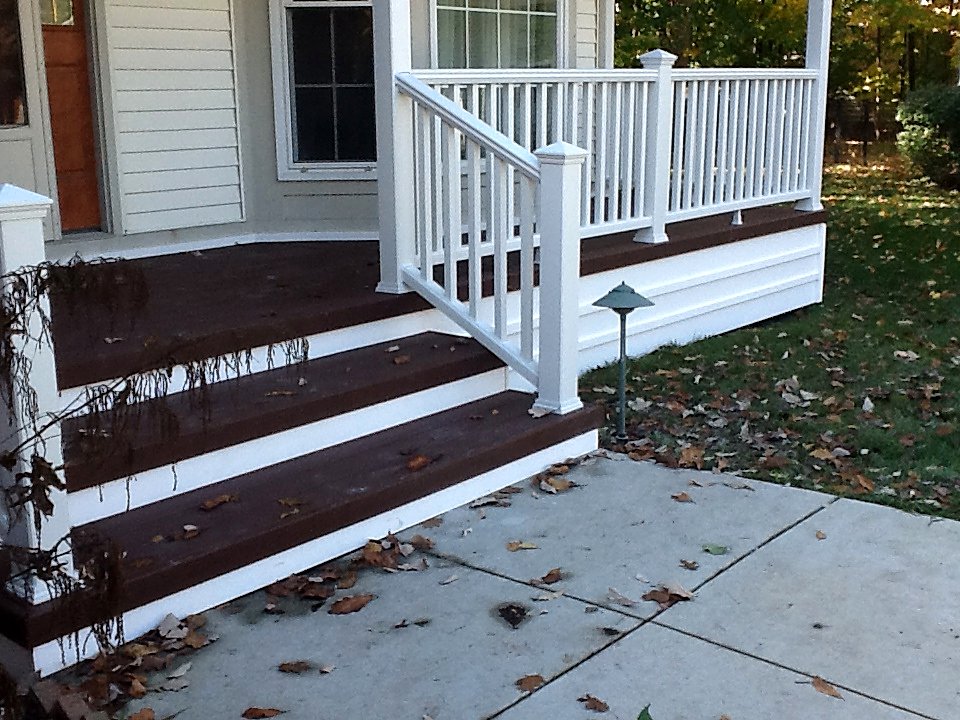
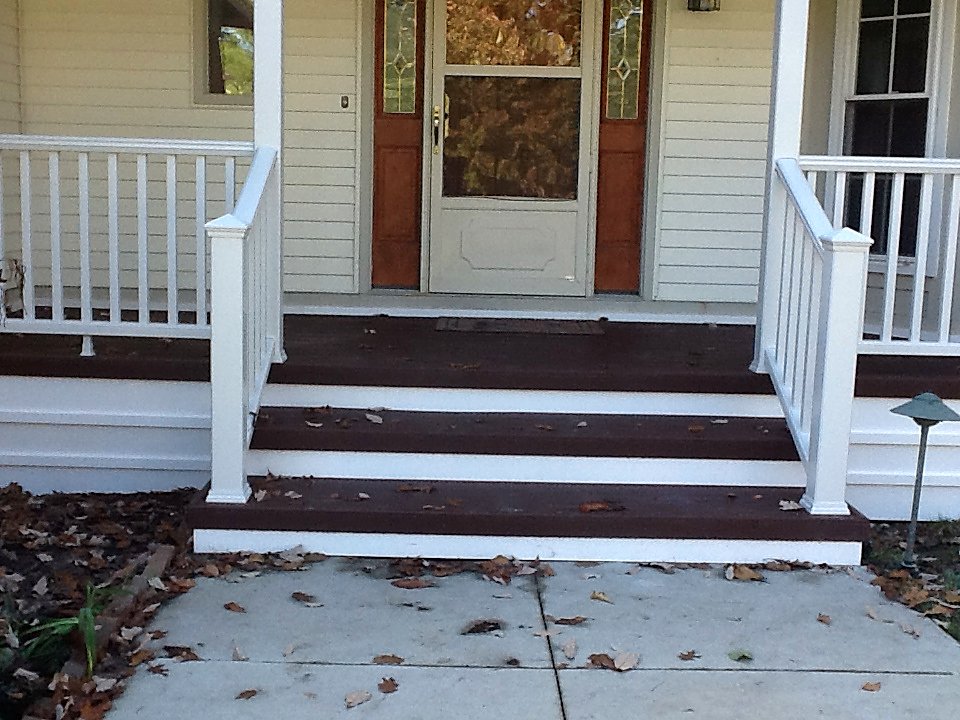
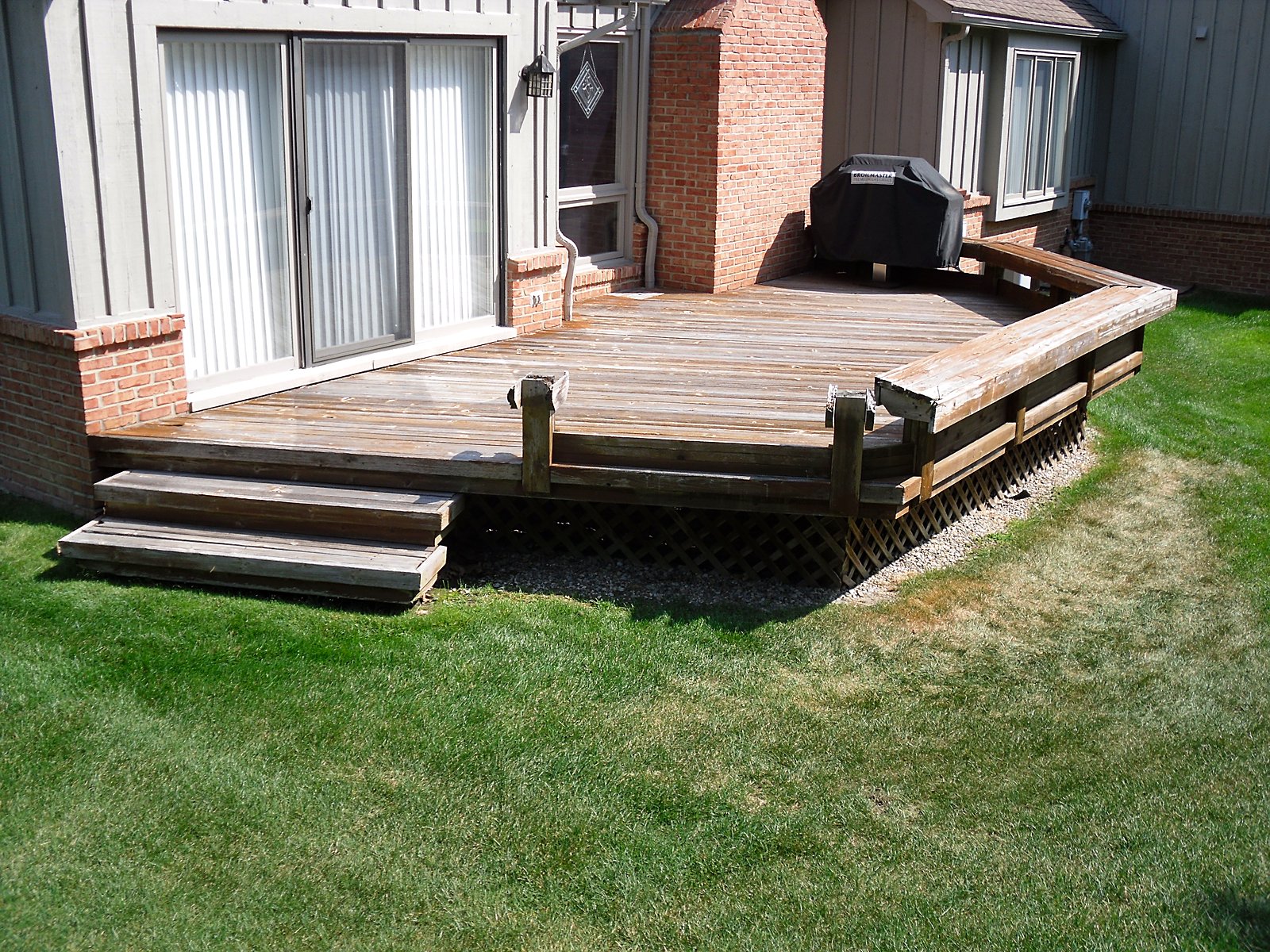
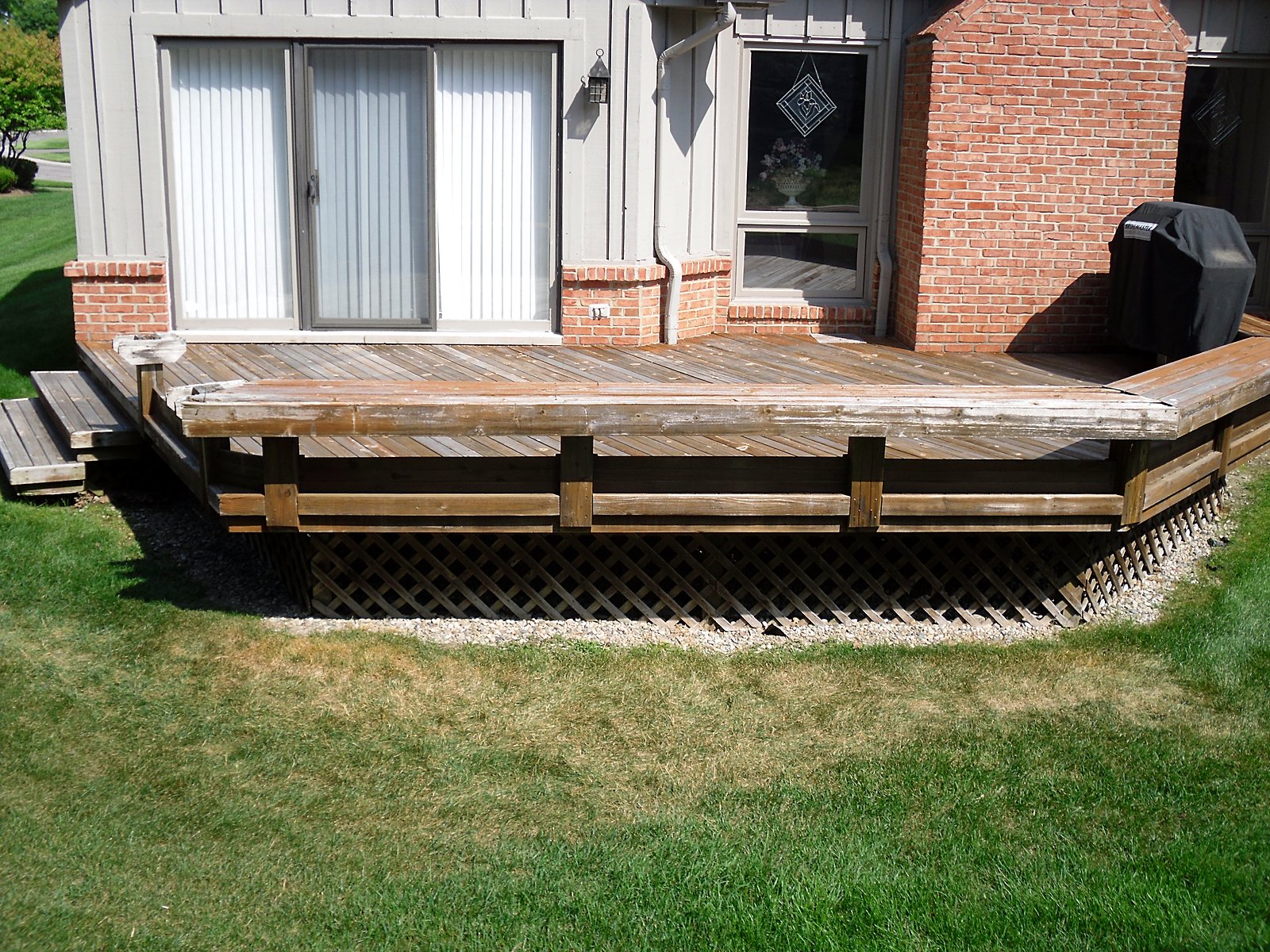
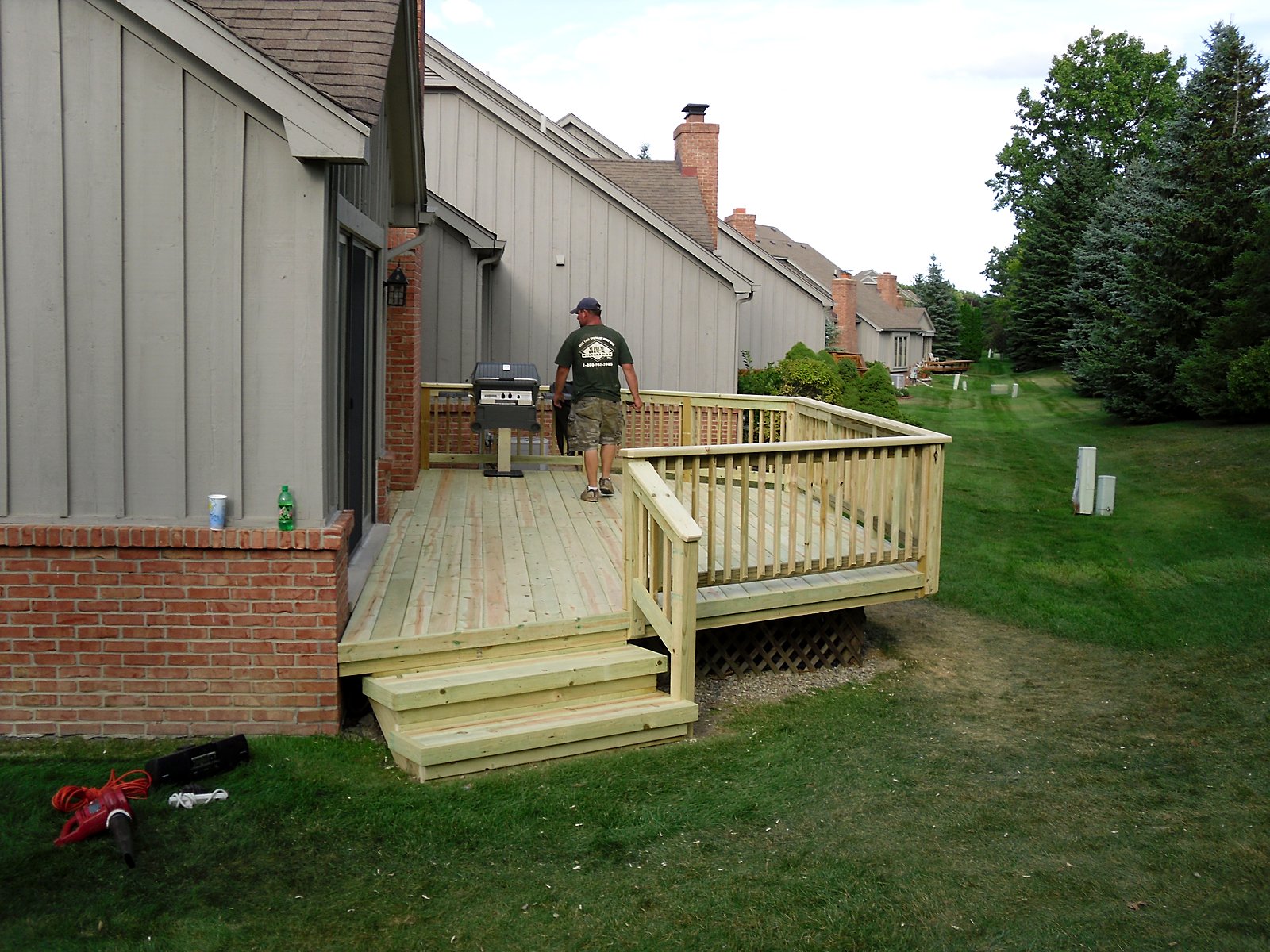
A sample of decks we've cleaned, prepped and hand-brushed — every stain color, railing style and wood species is different, but the process is always the same.










Deck Staining Near You
We stain and seal wood decks in more than 130 Southeast Michigan communities. Pick your town to see recent local work and how we handle decks in your area.
Ready for a Fresh Finish?
Free estimates — hand-brushed by a TrexPro Platinum contractor Michigan has trusted since 1991.